The Ultimate Time Capsule: A Rare 2011 Honda Element Emerges
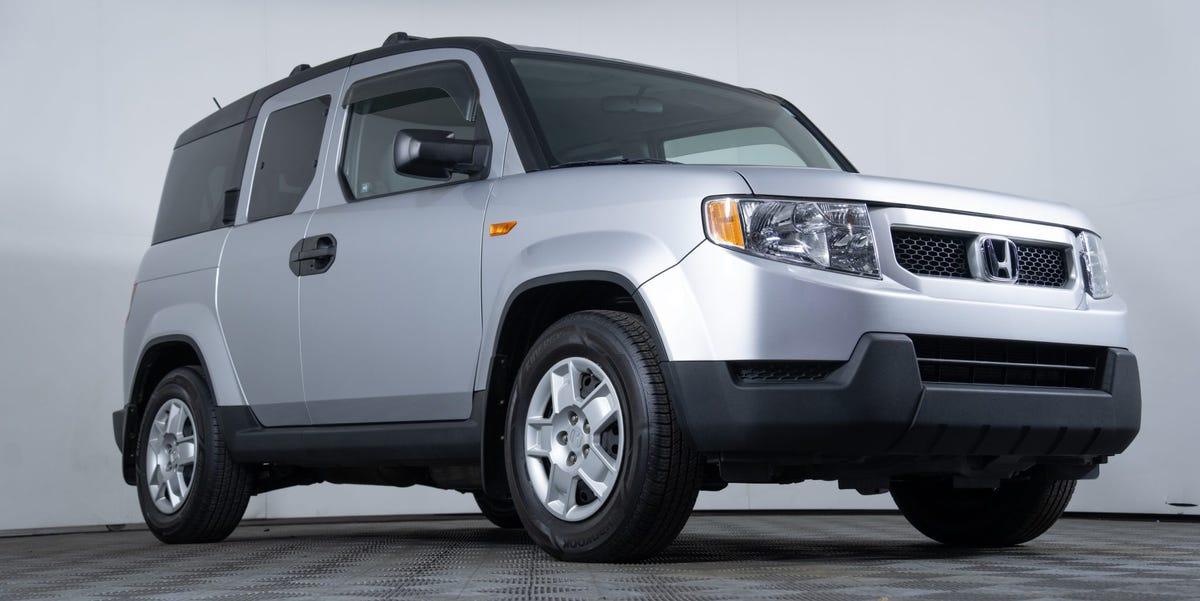
Box-Fresh 2011 Honda Element Hits Bring a Trailer: A 2026 Time-Capsule Worth the Hype?
Image: Box-Fresh 2011 Honda Element Hits Bring a Trailer: A 2026 Time-Capsule Worth the Hype? – Performance and Specifications
- Advertisement -
Imagine walking into a showroom in 2026 and finding a vehicle that defines utilitarian perfection, despite being out of production for over a decade. That is exactly the sensation surrounding the latest ‘Box-Fresh’ 2011 Honda Element currently listed on Bring a Trailer. With bids already soaring past the $30,000 mark—significantly higher than its original MSRP—this final-year model is proving that enthusiasts value simplicity and durability over modern complexity. This specific unit, finished in Alabaster Silver Metallic, represents the pinnacle of Honda’s ‘Dog Friendly’ era, offering a pristine glimpse into what many hope a 2026 Honda Element revival might look like.
The Timeless Design: Why the ‘Box’ Still Wins
The 2011 Honda Element was the swan song of a design philosophy that prioritized interior volume over aerodynamic efficiency. Its composite body panels, rear-hinged ‘suicide’ doors, and lack of a B-pillar make it one of the most accessible vehicles ever built. While modern 2026 crossovers are getting sleeker and more curved, the Element’s vertical glass and flat roof provide a level of visibility and cargo height that remains unmatched in the compact SUV segment. It is this ‘anti-design’ aesthetic that has allowed it to age like fine wine, becoming a cult classic for campers and surfers alike.
- Advertisement -
Performance and Reliability: The Bulletproof K24 Engine
Under the hood of this 2011 gem lies the legendary 2.4-liter K24 inline-four engine. In a world where 2026 engines are downsizing to tiny three-cylinders with complex hybrid systems, the simplicity of the Element’s powertrain is its greatest selling point. Producing 166 horsepower and 161 lb-ft of torque, it isn’t a speed demon, but it is known to easily surpass the 300,000-mile mark with basic maintenance. The five-speed automatic transmission and Real-Time 4WD system provide a mechanical connection that modern electronic ‘drive-by-wire’ systems often lack.
Interior Tech: Rugged Utility Over Digital Screens
Stepping inside this low-mileage Element is a trip back to a time when ergonomics meant physical knobs and wipe-down surfaces. You won’t find a 15-inch touchscreen here; instead, you get a highly functional layout with waterproof seat fabric and a flat, rubberized floor that can be hosed out. In 2026, where digital fatigue is a real concern for buyers, the Element’s tactile buttons and modular seating—which can fold flat into a bed or be removed entirely—offer a refreshing ‘analog’ experience that caters to the outdoor lifestyle better than most modern EVs.
| Feature | 2011 Honda Element Specs |
|---|---|
| Engine | 2.4L K24Z3 I4 |
| Horsepower | 166 hp @ 5,800 rpm |
| Torque | 161 lb-ft @ 4,000 rpm |
| Drivetrain | Real-Time 4WD / FWD |
| Transmission | 5-Speed Automatic |
| Ground Clearance | 6.9 Inches |
| Cargo Volume | 74.6 cu.ft. (Seats Removed) |
| Payload Capacity | 675 lbs |
Safety and NCAP Ratings: How It Holds Up
Despite its age, the 2011 Honda Element was ahead of its time regarding structural integrity. While it lacks the advanced ADAS (Advanced Driver Assistance Systems) found in 2026 models, it achieved ‘Good’ ratings from the IIHS in frontal-offset and side-impact crashes. It comes equipped with Side Curtain Airbags and Vehicle Stability Assist (VSA). However, compared to a modern 5-star NCAP rated vehicle, the Element lacks automatic emergency braking and lane-keep assist, which is a trade-off collectors must be willing to accept.
- Advertisement -
The 2026 Rivalry: Honda Element vs. The Modern Alternatives
As we look toward the 2026 automotive landscape, the spirit of the Element is being chased by a few key rivals. While rumors of a 2026 Honda Element EV persist, current buyers are looking at the Ford Bronco Sport and the Kia Soul as spiritual successors. Below is a comparison of how this ‘new’ 2011 model stacks up against the latest 2026 competition.
| Criteria | 2011 Honda Element (Auction) | 2026 Ford Bronco Sport | 2026 Kia Soul (Refresh) |
|---|---|---|---|
| Starting Price (Est.) | $35,000+ (Auction) | $31,500 | $21,000 |
| Utility Factor | Extreme (Removable Seats) | High (Modular Roof) | Moderate (Hatchback) |
| Off-Road Capability | Moderate (AWD) | High (G.O.A.T Modes) | Low (FWD only) |
| Tech Level | Analog / Basic | High (Sync 4) | High (Digital Cockpit) |
| Fuel Economy | 20-25 MPG | 26-29 MPG | 29-35 MPG |
Current Market Valuation (Ex-Showroom/Auction Estimations)
The market for ‘Box-Fresh’ vintage Hondas is currently at an all-time high. Below are the estimated valuation brackets for the Honda Element in the 2026 resale market based on mileage and condition.
| Condition / Mileage | Estimated Resale Value (2026) |
|---|---|
| Under 10,000 Miles (Collector Grade) | $40,000 – $55,000 |
| Under 50,000 Miles (Excellent) | $25,000 – $35,000 |
| Over 100,000 Miles (Daily Driver) | $12,000 – $18,000 |
| Restored / High Mileage | $8,000 – $11,000 |
People Also Ask (FAQ)
1. Is Honda bringing back the Element in 2026?
While Honda has not officially confirmed a 2026 Element, there are strong rumors and patents suggesting a rugged, boxy EV or hybrid inspired by the Element’s design language may be in development.
- Advertisement -
2. Why is the 2011 Honda Element so expensive now?
2011 was the final production year. Low-mileage examples are rare, and the car’s unique utility and reliability have made it a ‘cult classic’ with high demand among campers and enthusiasts.
3. What is the common problem with the Honda Element?
The most common complaints involve the ‘VTEC Solenoid’ gasket leaks, catalytic converter theft (due to high ground clearance), and relatively poor fuel economy compared to modern hybrids.
4. Can you sleep in a Honda Element?
Yes! The seats are designed to fold completely flat to create a bed, and many owners remove the rear seats entirely for a full micro-camper setup.
- Advertisement -
5. Is the Honda Element good in snow?
The Real-Time 4WD system is effective for light snow and slippery roads, though it lacks the locking differentials found on hardcore off-roaders.
6. How many miles will a Honda Element last?
With proper maintenance of the K24 engine, many Elements reach 300,000 to 400,000 miles.
7. Does the 2011 Honda Element have a backup camera?
No, the 2011 model did not come with a factory backup camera, though many owners install aftermarket units.
- Advertisement -
8. What is the towing capacity of a 2011 Element?
It is rated to tow up to 1,500 lbs, suitable for a small utility trailer or a pair of jet skis.
9. Why was the Honda Element discontinued?
Sales declined as the market shifted toward more traditional-looking crossovers, and the Element faced stiff internal competition from the Honda CR-V.
10. Is the Honda Element 4 or 5 seater?
The Honda Element is strictly a 4-seater. The rear bench consists of two individual seats with a console or space between them.
- Advertisement -
Verdict: Should You Buy This 2011 Honda Element in 2026?
Buying a 2011 Honda Element in 2026 is an emotional investment rather than a logical one. For the price of this auction, you could easily buy a brand-new 2026 SUV with a warranty and modern safety tech. However, you wouldn’t get the character, the unmatched vertical space, or the bulletproof mechanical simplicity that the Element offers. If you are an outdoor enthusiast who values longevity over luxury, this ‘Box-Fresh’ Element is the ultimate prize.
Pros: Unbeatable interior versatility, legendary engine reliability, high resale value, and iconic ‘lifestyle’ design.
Cons: Lacks modern safety features, poor fuel economy (compared to 2026 standards), and 4-seat limitation.
- Advertisement -