The Two-Wheeler Boom: February 2026 Retail Analysis
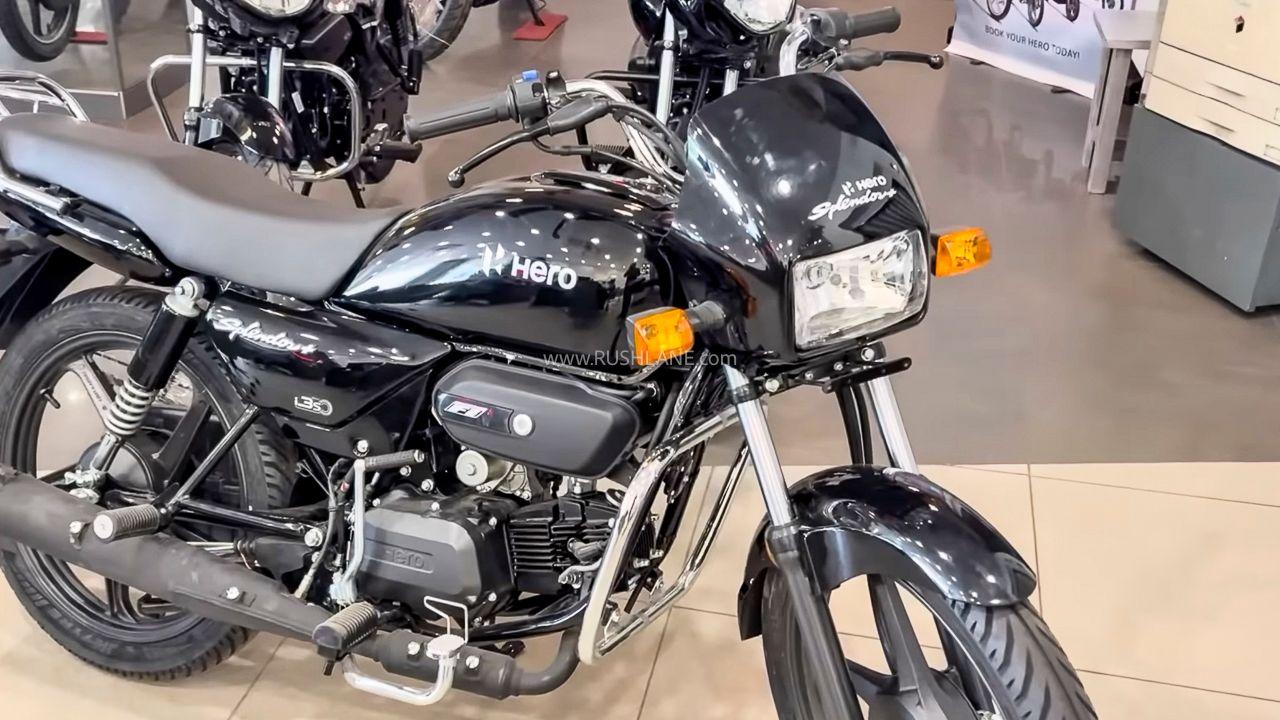
2W Retail Sales Feb 2026: Hero and Honda Dominate as EV Adoption Hits New Heights
Image: 2W Retail Sales Feb 2026: Hero and Honda Dominate as EV Adoption Hits New Heights – Performance and Specifications
Advertisement
February 2026 has marked a pivotal moment for the Indian two-wheeler industry. With retail sales witnessing a double-digit year-on-year growth, the market sentiment remains bullish despite global economic fluctuations. The total retail registrations for the month crossed the 1.6 million mark, fueled by strong rural demand for commuters and a massive surge in urban adoption of premium electric scooters. Prices in 2026 for entry-level commuters now start at ₹78,000, while premium EVs range from ₹1.45 lakh to ₹1.90 lakh.
The growth story is primarily driven by the ‘Big Two’—Hero MotoCorp and Honda Motorcycle & Scooter India (HMSI)—who together command nearly 50% of the total market share. However, the real excitement lies in the mid-size segment and the rapidly evolving EV landscape where Ola and Ather are locked in a fierce battle for supremacy.
Advertisement
Hero MotoCorp: Reclaiming the Rural Stronghold
Hero MotoCorp continues its dominance by focusing on the ‘Bharat’ market. The Splendor and Passion brands have seen a resurgence thanks to the 2026 ‘i3S Plus’ fuel-saving technology and updated safety features. Hero’s expansion into the premium space with the Mavrick and Karizma brands has also started contributing significantly to their bottom line, helping them maintain a comfortable lead in total volume.
Honda: The Scooter King Expands the BigWing Portfolio
Honda’s retail numbers were bolstered by the continued success of the Activa 7G (Hybrid Edition) and the Shine series. Honda has successfully utilized its BigWing network to capture the 300cc-500cc segment, providing stiff competition to Royal Enfield. Their hybrid tech, introduced late last year, has addressed the mileage concerns of urban commuters who aren’t yet ready to switch to full electric.
TVS and Bajaj: Performance Meets Innovation
TVS Motor Company has seen a 14% growth in retail sales, driven by the Apache series and the iQube EV. Bajaj, on the other hand, is reaping the rewards of its alliance with Triumph and the massive popularity of the Pulsar NS and N series. Bajaj’s Chetak has also seen a production ramp-up, making it a common sight in Tier-2 cities.
Advertisement
Comparative Market Analysis: Top Rivals 2026
To understand the competition, let’s look at how the flagship commuters from the top three brands stack up in 2026.
| Feature | Hero Splendor XTEC 2.0 | Honda Activa 7G (Hybrid) | TVS Jupiter 125 (SmartXonnect) |
|---|---|---|---|
| Engine/Motor | 97.2cc iBS-VI | 109cc + Electric Assist | 124.8cc ET-Fi |
| Mileage (Real World) | 72 kmpl | 68 kmpl | 55 kmpl |
| Key Tech | Bluetooth, RTMI | Silent Start, Hybrid Boost | External Fuel Fill, Voice Assist |
| Starting Price (2026) | ₹82,400 | ₹88,900 | ₹91,200 |
| Market Share Status | Market Leader | Top Selling Scooter | Fastest Growing 125cc |
Technical Specifications & Retail Pricing Data
Below is the detailed technical breakdown and the current ex-showroom pricing for the major players in the February 2026 sales cycle.
Table 1: Technical Specifications of 2026 Bestsellers
| Manufacturer | Model | Engine/Power | Transmission | Safety Features |
|---|---|---|---|---|
| Royal Enfield | Classic 350 (2026) | 349cc J-Series | 5-Speed | Dual Channel ABS + Traction Control |
| Suzuki | Access 125 | 124cc SEP | CVT | Combined Braking System (CBS) |
| Yamaha | MT-15 V3 | 155cc VVA | 6-Speed (Slipper Clutch) | Cornering ABS |
| Ola Electric | S1 Pro Gen 3 | 11kW Peak Power | Electric | Proximity Lock, Hill Hold 2.0 |
| Ather Energy | 450 Apex 2026 | 7.4kW Power | Electric | Warp+ Mode, Skid Control |
Table 2: Variant-wise Pricing (Ex-Showroom, Feb 2026)
| Brand | Model Variant | Price (Ex-Showroom) | Availability |
|---|---|---|---|
| Hero | HF Deluxe Canvas | ₹69,500 | Ready Stock |
| Honda | CB350 RS New Gen | ₹2,25,000 | 2 Weeks Wait |
| Bajaj | Pulsar NS400 | ₹1,95,000 | Ready Stock |
| Suzuki | V-Strom SX 250 | ₹2,18,000 | Ready Stock |
| Ola | S1 Air (3kWh) | ₹1,14,999 | Immediate Delivery |
People Also Ask: FAQ
- Which 2W brand sold the most units in February 2026? Hero MotoCorp remains the volume leader in February 2026.
- What is the price of Honda Activa 7G in 2026? The Activa 7G starts at approximately ₹88,900 for the hybrid variant.
- Are EV sales increasing in 2026? Yes, EV retail sales have grown by 35% YoY, with Ola and Ather leading the segment.
- What is the waiting period for Royal Enfield bikes in 2026? Popular models like the Classic 350 have a 2-4 week waiting period depending on the color.
- Is Bajaj Pulsar still popular in 2026? Absolutely, the Pulsar brand accounts for nearly 40% of Bajaj’s domestic retail sales.
- Which is better: Ola S1 Pro Gen 3 or Ather 450 Apex? The Ola offers more range, while the Ather is preferred for its superior build quality and software stability.
- Has Yamaha launched any new bikes in 2026? Yamaha recently updated the MT-15 and R15 with enhanced electronics and new color schemes.
- What are the safety norms for bikes in 2026? All bikes above 125cc must now have mandatory dual-channel ABS and side-stand engine cut-off.
- Is Hero Vida V1 successful? Hero’s Vida has seen a 20% month-on-month growth as they expanded their charging network.
- Which 2W has the best resale value in 2026? The Honda Activa and Royal Enfield Classic 350 continue to hold the best resale value in the Indian market.
Verdict: Should You Buy Now?
The February 2026 retail data suggests that the market is stabilizing after a period of high inflation. With manufacturers offering tech-heavy updates and better safety features, now is an excellent time to buy if you are looking for a reliable internal combustion engine (ICE) vehicle. However, for those looking at EVs, the infrastructure is better than ever, making them a viable primary vehicle.
Advertisement
Pros
- Advanced hybrid options from Honda and TVS.
- Improved safety features (Traction Control) in mid-segment bikes.
- Robust exchange bonuses offered by Hero and Bajaj.
Cons
- 10-15% higher insurance premiums compared to 2024.
- Higher maintenance costs for high-tech digital clusters and sensors.