The 2026 Hyundai Verna Facelift: A New Era for Sedans in India
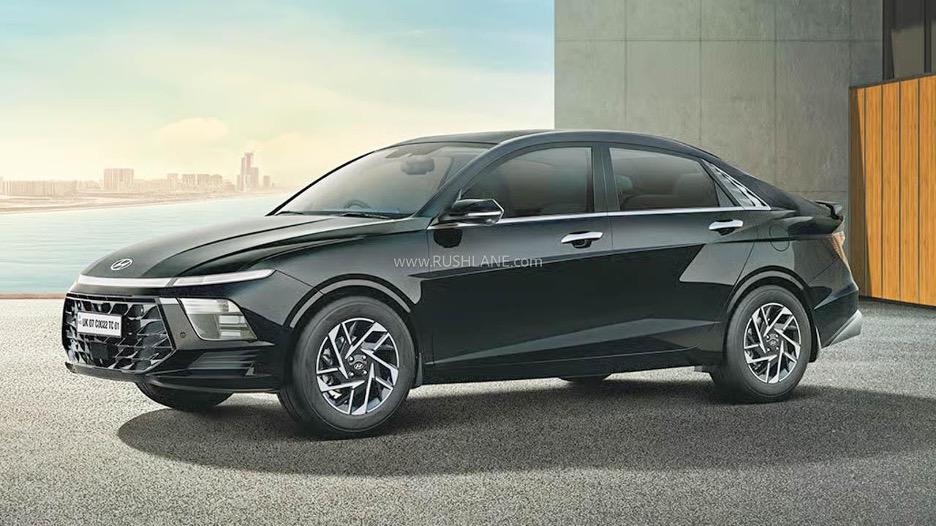
2026 Hyundai Verna Facelift: Is This Tech-Loaded Sedan The Ultimate Choice For Gen Z?
Image: 2026 Hyundai Verna Facelift: Is This Tech-Loaded Sedan The Ultimate Choice For Gen Z? – Performance and Specifications
- Advertisement -
In a market dominated by SUVs, the 2026 Hyundai Verna Facelift emerges as a defiant and stylish alternative, specifically engineered to capture the hearts of India’s tech-savvy Gen Z. While the previous generation turned heads with its ‘Parametric Dynamism’ language, the 2026 iteration refines those sharp edges into a more cohesive, futuristic aesthetic. Starting at an estimated price of ₹12.50 Lakh (Ex-showroom), the new Verna isn’t just a car; it’s a statement of aspiration for the modern urbanite.
Why Gen Z is Looking Beyond SUVs
Today’s young buyers prioritize three things: seamless connectivity, standout aesthetics, and raw performance. The 2026 Verna checks all these boxes. While sub-compact SUVs offer ground clearance, the Verna offers a sophisticated ‘low-slung’ stance that mimics luxury European grand tourers, a factor that is becoming increasingly popular among influencers and young professionals who want to stand out from the sea of high-riding crossovers.
- Advertisement -
Design Evolution: Sensuous Sportiness 2.0
The 2026 Verna Facelift retains its fastback silhouette but introduces significant refinements to its lighting signatures. The iconic horizon LED positioning lamp now features a ‘pixelated’ welcome sequence, similar to Hyundai’s Ioniq EV range. The front grille has been widened with a dark chrome finish that integrates more seamlessly with the lower bumper.
Aerodynamics and Stance
Hyundai has lowered the drag coefficient slightly for the 2026 model, improving high-speed stability. The new 16-inch diamond-cut alloy wheels feature a more aggressive ‘tornado’ design, while the rear features a revamped H-Tail light that spans the entire width of the trunk, emphasizing its wide and planted stance.
The Tech-First Cabin: A Digital Sanctuary
Step inside, and you are greeted by a cabin that feels more like a gaming lounge than a traditional sedan. The dual-screen setup has been upgraded to two 12.3-inch high-definition displays housed under a single curved glass pane. This ‘Integrated Digital Cockpit’ is the centerpiece of the interior, offering wireless Apple CarPlay and Android Auto as standard across higher trims.
- Advertisement -
Segment-First Features
- Dual-Zone Climate Control: Allowing the driver and passenger to set independent temperatures.
- Switchable Controller: A unique touch panel that toggles between infotainment and climate controls, maximizing space.
- Bose Premium Sound: An 8-speaker system tuned specifically for the Verna’s acoustic chamber.
- Ambient Lighting: 64-color lighting linked to drive modes.
Performance: The 160 PS Powerhouse
The heart of the 2026 Verna remains its potent 1.5-litre Turbo GDi petrol engine. Producing a best-in-class 160 PS and 253 Nm of torque, it allows the Verna to sprint from 0-100 km/h in just 8.1 seconds. For those seeking efficiency, the 1.5-litre naturally aspirated petrol engine continues to offer a smooth, refined commute.
Transmission Options
Buyers can choose between a 6-speed Manual, an Intelligent Variable Transmission (IVT), or the lightning-fast 7-speed Dual Clutch Transmission (DCT) paired with paddle shifters for an engaging driving experience.
Safety: 5-Star GNCAP Pedigree and Level 2+ ADAS
Safety is no longer optional for Indian buyers. The 2026 Verna builds on its 5-star GNCAP rating with an enhanced Hyundai SmartSense Level 2 ADAS suite. This includes 17 features such as Forward Collision-Avoidance Assist, Blind-Spot Collision-Avoidance, and a new ‘Safe Exit Warning’ which is crucial for busy city streets.
- Advertisement -
Technical Specifications Comparison
To understand where the Verna stands, here is a comparison with its closest rivals in the premium sedan segment.
| Feature | 2026 Hyundai Verna | Volkswagen Virtus | Honda City (2026) |
|---|---|---|---|
| Engine | 1.5L Turbo Petrol | 1.5L TSI Evo | 1.5L i-VTEC / Hybrid |
| Max Power | 160 PS | 150 PS | 121 PS (NA) / 126 PS (HEV) |
| Max Torque | 253 Nm | 250 Nm | 145 Nm / 253 Nm (HEV) |
| Transmission | 6MT / 7DCT | 6MT / 7DSG | 6MT / CVT / e-CVT |
| ADAS Level | Level 2 | Level 1 (Basic) | Level 2 (Sensing) |
| GNCAP Rating | 5 Stars | 5 Stars | 4 Stars |
Variant-Wise Pricing (Ex-Showroom)
The 2026 Verna is positioned competitively to take on both sedans and mid-size SUVs.
| Variant | Estimated Price (Ex-Showroom) | Key Highlight |
|---|---|---|
| EX | ₹12.50 Lakh | 6 Airbags, ABS, EBD |
| S | ₹13.80 Lakh | 8-inch Touchscreen, Alloys |
| SX | ₹15.50 Lakh | Electric Sunroof, LED Lamps |
| SX (O) | ₹17.20 Lakh | Level 2 ADAS, Ventilated Seats |
| SX (O) Turbo | ₹19.00 Lakh | 160 PS Engine, Black Interiors |
People Also Ask (FAQ)
- What is the mileage of the 2026 Hyundai Verna? The Turbo petrol offers ~18-19 kmpl, while the NA petrol delivers ~18.6 kmpl (ARAI).
- Is there a diesel engine option? No, Hyundai has discontinued the diesel engine for the Verna in line with BS6 Phase 2 norms.
- Does it have a sunroof? Yes, the SX and SX (O) variants come with an electric sunroof.
- Is the Verna safe for families? Absolutely. It holds a 5-star GNCAP rating and comes with 6 airbags as standard.
- How does Verna compare to the Creta? While Creta offers better ground clearance, the Verna offers superior performance (Turbo) and better high-speed handling.
- What are the color options? New for 2026 are ‘Cyber Grey’ and ‘Deep Forest’, alongside classics like Abyss Black and Atlas White.
- Does it have ventilated seats? Yes, the top-end SX (O) features both ventilated and heated front seats.
- Is the 1.5 Turbo engine reliable? Yes, the GDi engine is a global unit used in various Hyundai/Kia models with a proven track record.
- What is the ground clearance? It stands at 165mm, which is standard for the sedan segment.
- Does it have a 360-degree camera? Yes, the 2026 facelift introduces a high-definition 360-degree parking camera system.
Verdict: Should You Buy It?
The 2026 Hyundai Verna Facelift is a triumph of packaging. It successfully bridges the gap between a sensible family car and a performance-oriented enthusiast machine. For Gen Z buyers who value digital integration and bold styling, it is hard to look elsewhere.
- Advertisement -
Pros
- Most powerful engine in its segment (160 PS).
- Futuristic dual-screen interior.
- Comprehensive Level 2 ADAS safety suite.
- Superior rear-seat legroom.
Cons
- Polarizing front-end design may not appeal to everyone.
- Low ground clearance requires care over large speed breakers.
- Rear headroom is slightly tight for passengers over 6 feet.