The Jarring Reality: Why Potholes are Your Car’s Worst Enemy in 2026
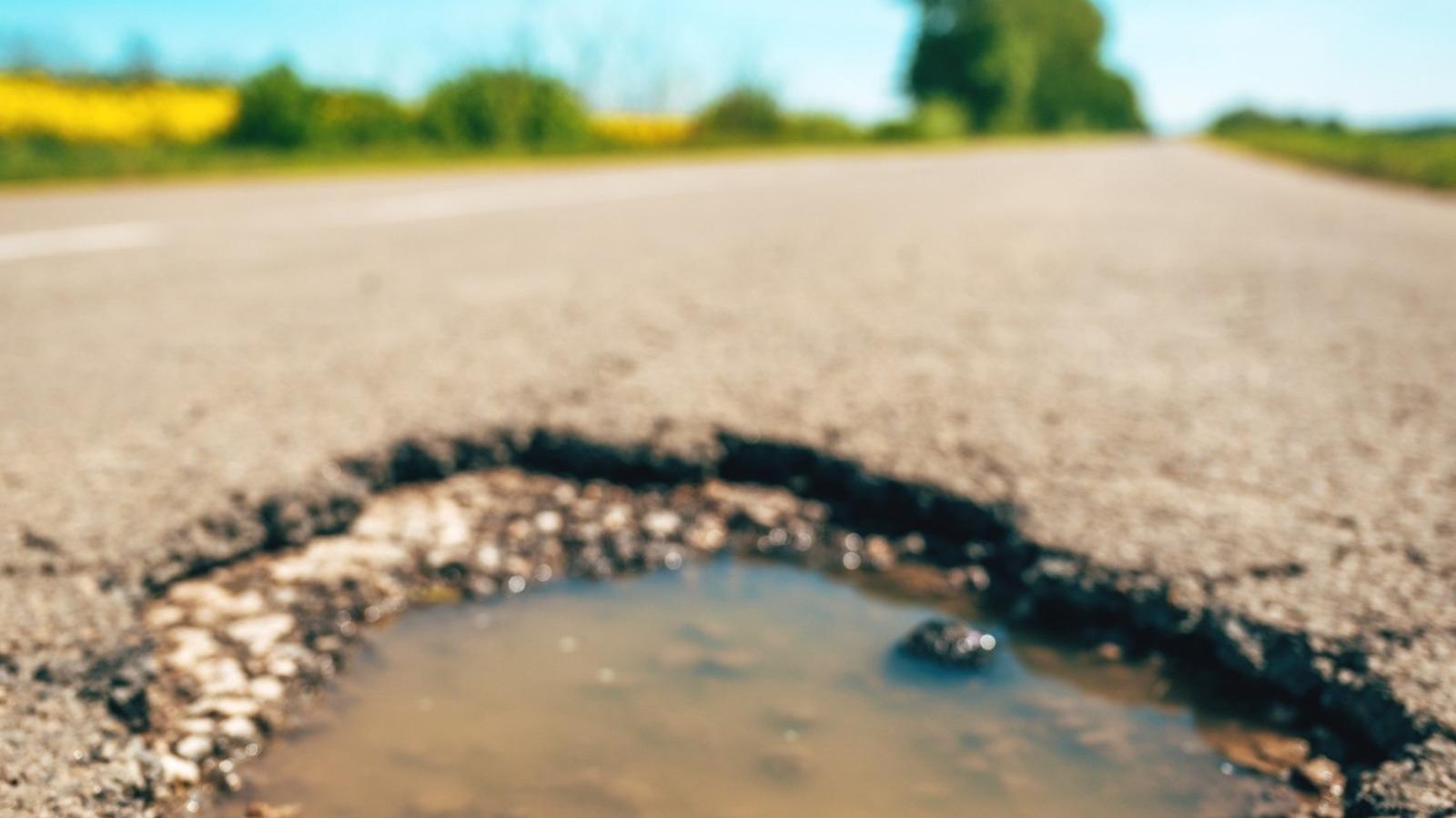
You Just Hit A Pothole, Time To Pull Over And Do These Things: 2026 Driver’s Guide
Image: You Just Hit A Pothole, Time To Pull Over And Do These Things: 2026 Driver’s Guide – Performance and Specifications
- Advertisement -
It’s a sound every driver dreads—a violent ‘thud’ followed by a shudder that vibrates through the steering wheel. You’ve just hit a pothole. Whether you’re navigating the monsoon-ravaged streets of Mumbai or a neglected highway in the Midwest, potholes remain a billion-dollar menace. In 2026, with the rise of heavy Electric Vehicles (EVs) and ultra-low-profile tires, the ‘price’ of hitting a pothole has skyrocketed, often costing drivers between $150 for a simple alignment to over $2,500 for integrated air-suspension repairs.
1. The Immediate Aftermath: Don’t Just Drive Away
Your first instinct might be to keep driving and hope for the best, but that is a mistake. Modern vehicles are packed with sensitive sensors. A significant impact can knock your ADAS (Advanced Driver Assistance Systems) cameras out of alignment. Pull over to a safe, level area immediately. Turn on your hazard lights and perform a visual check. Look for bulging sidewalls on your tires—a sign of internal structure failure—and check for any leaking fluids from the undercarriage.
- Advertisement -
2. Inspecting the Damage: What to Look For
Not all damage is visible to the naked eye, but there are key indicators to check for during your roadside inspection. Focus on the ‘Big Three’: Tires, Rims, and Suspension components.
3. The ‘Hidden’ Impact on 2026 Vehicle Tech
In 2026, most mid-to-high-end vehicles come equipped with semi-autonomous driving features. Hitting a pothole doesn’t just bend metal; it can disrupt the calibration of LIDAR and radar sensors located in the bumper or wheel wells. If your car starts drifting or throws a ‘Lane Assist Unavailable’ warning, the pothole has caused more than just physical damage.
| Damage Component | Visual Symptom | Mechanical Consequence |
|---|---|---|
| Tire Sidewall | Bulges or ‘Bubbles’ | High risk of blowout at high speeds |
| Alloy Wheel | Hairline cracks or bends | Loss of tire pressure; vibration |
| Suspension Bushings | Visible tears or grease | Vague steering and uneven tire wear |
| Undercarriage Shield | Scraping or hanging plastic | Poor aerodynamics and cooling issues |
4. Technical Specifications of Pothole Resistance
Modern cars are being designed with better damping, but the increased weight of battery packs in 2026 models makes them more susceptible to rim damage. Below are the technical thresholds for most passenger vehicles.
- Advertisement -
| Vehicle Category | Max Pothole Depth (Safe) | Common Repair Cost (2026 Est.) |
|---|---|---|
| Hatchbacks/Sedans | 1.5 Inches | $200 – $850 |
| SUVs / Crossovers | 3.0 Inches | $350 – $1,200 |
| Luxury / EVs | 2.0 Inches | $900 – $3,500 |
5. To Claim or Not to Claim? The Insurance Dilemma
In 2026, insurance premiums are sensitive to ‘at-fault’ road hazard claims. If the damage is under $1,000, experts suggest paying out of pocket to protect your No-Claim Bonus (NCB). However, if your adaptive suspension or steering rack is compromised, an insurance claim is almost mandatory due to the specialized labor involved.
Comparison: Standard Suspension vs. Adaptive Air Suspension (2026 Performance)
When hitting a pothole, the type of suspension your vehicle has dictates the severity of the damage transfer to the chassis.
| Feature | Standard Coil Springs | Adaptive Air Suspension |
|---|---|---|
| Impact Absorption | Moderate (Physical limit) | Superior (Real-time adjustment) |
| Repair Complexity | Low (Mechanical) | High (Electronic & Pneumatic) |
| Wheel Protection | Basic | Enhanced via ‘Pothole Mitigation’ Tech |
| Average Replacement Cost | $150 – $400 | $1,200 – $2,800 |
People Also Ask (FAQ)
- What is the first thing to do after hitting a pothole? Pull over safely, check for tire bulges, and listen for new noises or steering pulls.
- Can a pothole cause an alignment issue? Yes, even a small pothole can knock your wheels out of alignment, leading to rapid tire wear.
- Is pothole damage covered by car insurance? Generally, yes, under ‘Collision’ coverage, though deductibles apply.
- How do I know if I bent my rim? You will feel a consistent vibration through the seat or steering wheel at specific speeds.
- Can a pothole deploy airbags? Rare, but possible if the impact sensor in the chassis detects a high-enough G-force.
- Does hitting a pothole damage EV batteries? Yes, if the pothole is deep enough to cause the undercarriage to ‘bottom out’ and strike the battery casing.
- How much does a wheel alignment cost in 2026? Average costs range from $120 to $250 depending on the ADAS recalibration needs.
- Can I sue the city for pothole damage? Yes, many municipalities have a claims process, though you need photographic evidence and a time-stamped location.
- Should I replace my tire if it has a bubble? Absolutely. A sidewall bubble indicates structural failure and is a ticking time bomb.
- What is ‘Pothole Mitigation’ technology? Systems in newer cars that use cameras to ‘see’ potholes and stiffen or soften suspension before impact.
Verdict: Should You Be Worried?
The Pros: Modern cars are tougher than ever, and 2026 safety tech can often warn you of road hazards before you hit them.
- Advertisement -
The Cons: Repair costs have doubled due to integrated electronics and the high cost of lightweight alloy wheels.
Final Word: If you hit a pothole, do not ignore it. A $100 alignment today prevents a $1,000 tire replacement tomorrow. Always document the scene and get a professional inspection if you feel any change in driving dynamics.
- Advertisement -