The Subterranean Giants: Navigating the World’s Longest Road Tunnels in 2026
World’s Longest Road Tunnels 2026: Engineering Marvels That Defy Nature
Image: World’s Longest Road Tunnels 2026: Engineering Marvels That Defy Nature – Performance and Specifications
Advertisement
Imagine driving into the heart of a mountain or plunging deep beneath the ocean floor for nearly 20 miles. In 2026, the global infrastructure landscape has reached new heights—or rather, depths. These engineering marvels are more than just transit routes; they are multi-billion dollar solutions to some of the most extreme geographical challenges on Earth. From Norway’s icy fjords to the dense mountain ranges of China, these tunnels utilize AI-driven ventilation and psychological lighting to ensure driver safety over massive distances. Whether you are planning a European road trip or exploring Asian infrastructure, understanding these subterranean giants is essential.
1. Lærdal Tunnel, Norway – The Reigning Champion
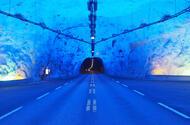
Spanning an incredible 24.51 km (15.23 miles), the Lærdal Tunnel remains the longest road tunnel in the world. Connecting Lærdal and Aurland, it bypasses treacherous mountain passes. In 2026, the tunnel has seen significant upgrades to its ‘mountain caves’—large blue-lit caverns designed to break the monotony of the drive and prevent driver fatigue.
Advertisement
2. Yamate Tunnel, Japan – Urban Engineering at its Peak
Located in Tokyo, the Yamate Tunnel is 18.2 km (11.3 miles) long, making it the longest urban road tunnel. Running 30 meters beneath the surface of the Yamate-dori avenue, it is a masterclass in seismic-resistant engineering and high-capacity fire suppression systems, crucial for the 2026 Tokyo traffic density.
3. Zhongnanshan Tunnel, China – The Double-Tube Wonder
At 18.02 km (11.2 miles), this tunnel through the Qinling Mountains features specialized lighting that mimics a sunny day with artificial clouds and plants to keep drivers alert. It serves as a vital link in the national highway network connecting Xi’an and Zhashui.
4. St. Gotthard Road Tunnel, Switzerland
This 16.9 km (10.5 miles) passage is the backbone of Alpine transit. While a second tube is currently under construction to allow for modern safety standards by the end of the decade, the existing tunnel remains a marvel of 20th-century grit, currently operating with state-of-the-art thermal imaging to detect overheating vehicles before they enter.
Advertisement
5. Ryfylke Tunnel, Norway – The Undersea Record Holder
Stretching 14.46 km (8.98 miles) between Stavanger and Ryfylke, this is the world’s longest and deepest undersea road tunnel. Reaching a depth of 292 meters below sea level, it is a cornerstone of the Rogfast project, which aims to replace ferry crossings with permanent subterranean links.
| Tunnel Name | Country | Length (KM) | Max Depth/Elevation |
|---|---|---|---|
| Lærdal Tunnel | Norway | 24.51 km | Mountainous (1,000m+) |
| Yamate Tunnel | Japan | 18.20 km | 30m Underground |
| Zhongnanshan Tunnel | China | 18.02 km | Mountainous |
| St. Gotthard | Switzerland | 16.90 km | 1,100m (Alpine) |
| Ryfylke Tunnel | Norway | 14.46 km | 292m Below Sea Level |
Comparative Analysis: Top 3 Global Tunnels vs Rivals
When comparing the world’s longest tunnels, we look at more than just length. Safety technology, ventilation capacity, and psychological design (Psych-Lighting) are the primary differentiators in 2026. While the Lærdal focuses on lighting to combat claustrophobia, Japan’s Yamate Tunnel focuses on sophisticated smoke extraction and emergency egress for high-volume city traffic.
| Feature | Lærdal (Norway) | Yamate (Japan) | Zhongnanshan (China) |
|---|---|---|---|
| Primary Purpose | Trans-Mountain connectivity | Urban Congestion Relief | Regional Logistics |
| Safety Tech | Blue-Light Caverns | AI Traffic Management | Artificial Landscape Lighting |
| Toll Est. 2026 | Free (Tax Funded) | Variable (ETC Only) | Approx. $12 – $15 |
| Ventilation | Natural + Longitudinal | Electrostatic Precipitators | Vertical Shafts |
Why Drivers Love and Hate Long Tunnels (Pros & Cons)
Pros: What Users Appreciate
- Time Efficiency: Tunnels like the Ryfylke save up to 45 minutes compared to ferry wait times.
- Weather Protection: Subterranean routes provide a safe haven from Alpine blizzards and typhoons.
- Technological Comfort: Modern 5G connectivity is now standard in the top 10 tunnels, allowing for uninterrupted navigation.
Cons: Common Driver Complaints
- Claustrophobia: Even with psych-lighting, many drivers report anxiety in tunnels exceeding 10km.
- Toll Costs: Maintenance for undersea tunnels is immense, leading to high transit fees for heavy vehicles.
- Speed Traps: Most of these tunnels utilize Average Speed Cameras, making them a nightmare for those with a ‘heavy foot’.
People Also Ask (FAQ)
1. What is the longest road tunnel in the world as of 2026?
The Lærdal Tunnel in Norway remains the longest at 24.51 kilometers.
Advertisement
2. Is there a tunnel longer than 25km planned?
Yes, the Rogfast (Boknafjord) tunnel in Norway is expected to be approximately 27km upon completion.
3. Are long tunnels safe in earthquakes?
Tunnels like the Yamate in Tokyo are designed with flexible joints to withstand significant seismic activity.
4. How do drivers stay awake in a 20-minute tunnel drive?
Engineers use ‘Psychological Lighting’—changing colors and brightness levels to stimulate the brain.
Advertisement
5. Which tunnel is the deepest in the world?
The Ryfylke Tunnel in Norway holds the record, reaching 292 meters below sea level.
6. Are EVs allowed in these tunnels?
Yes, though some tunnels have enhanced thermal monitoring to manage the specific risks of lithium-ion fires.
7. Do these tunnels have cell service?
Most of the top 10 tunnels are equipped with 4G/5G repeaters and emergency radio override systems.
Advertisement
8. What is the toll for the St. Gotthard Tunnel?
In Switzerland, most tunnels are covered by the annual motorway vignette (approx. 40 CHF).
9. How is the air kept fresh?
Massive ventilation fans and vertical shafts exchange tunnel air with fresh mountain or sea air every few minutes.
10. Can bicycles enter these tunnels?
Generally, no. Most of these tunnels are restricted to motorized vehicles for safety and air quality reasons.
Advertisement
Verdict: Should You Drive These Routes?
If you are a fan of engineering and efficiency, driving through these tunnels is a bucket-list experience. While the toll prices can be high and the environment sterile, the sheer time saved is undeniable. However, if you suffer from severe claustrophobia, the mountain passes above (where available) remain a more scenic, albeit slower, alternative. The Verdict: These are safe, marvel-filled shortcuts that represent the pinnacle of human achievement.