Why Did Whitewall Tires Disappear? A Deep Dive into History, Design, and Modern Alternatives
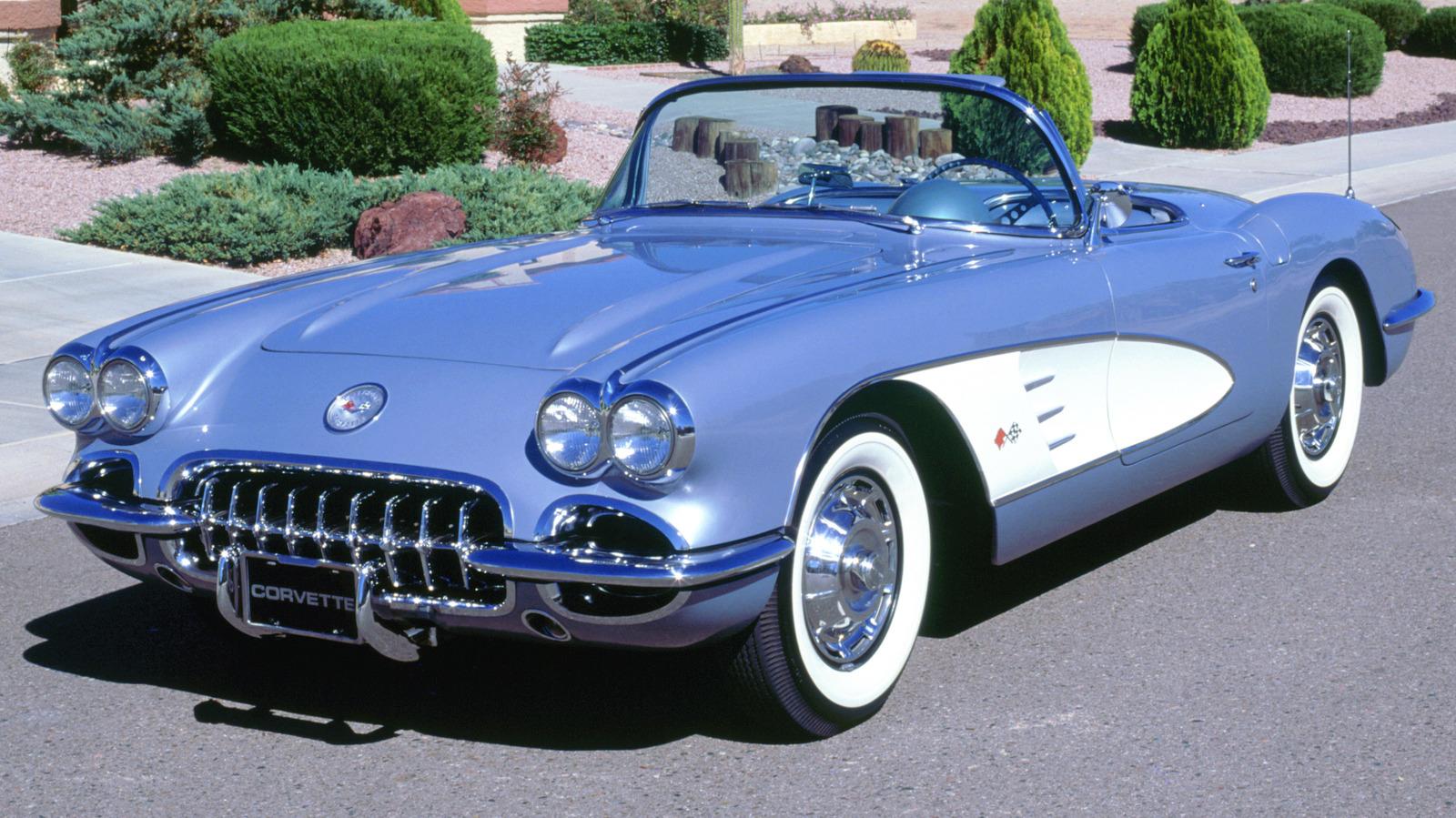
Why Did Whitewall Tires Disappear? A Deep Dive into History, Design, and Modern Alternatives
Image: Why Did Whitewall Tires Disappear? A Deep Dive into History, Design, and Modern Alternatives – Performance Comparison and Specifications
Advertisement
Whitewall tires were once the signature of elegance on everything from a 1965 Ford Mustang to a sleek European sedan. Today you rarely see them on the road, and many drivers wonder what happened to this iconic style. In this article we’ll explore the cultural boom, the technical setbacks, and why modern technology—like ADAS and turbo‑petrol powertrains—has pushed whitewalls into the realm of nostalgia.
1. The Golden Era of Whitewall Tires
Early Popularity
Introduced in the 1920s, the white sidewall was originally a by‑product of the early rubber compounds. By the 1950s the look had been refined into a deliberately painted stripe, and automakers began offering it as a factory option. The Autoblog archives note that the whitewall became a status symbol for the post‑war boom, especially on American muscle cars and upscale European models.
Advertisement
Design Philosophy
Designers loved the contrast: a clean, bright line that highlighted the wheel’s curvature. It worked well with the chrome‑laden aesthetics of the era. Even the classic Chevrolet Impala and the early Porsche 911 often featured whitewalls as a standard or optional trim.
2. Technical Reasons for the Decline
Cost and Manufacturing Challenges
Producing a whitewall isn’t just a matter of painting a stripe. The process requires a separate rubber compound, precise curing, and extra quality checks. As tire manufacturers shifted to high‑volume radial production in the 1970s, the additional steps became a financial burden. Modern radial tires could be made faster, cheaper, and with better performance metrics.
Safety and Performance
Whitewalls historically used bias‑ply construction, which limited heat dissipation and wet‑road traction. When radial designs proved superior in braking distance and tire wear, safety regulators and insurance companies started recommending the newer technology. Moreover, the white sidewall is prone to discoloration from brake dust, oil, and road grime, making upkeep a hassle.
Advertisement
Compatibility with Modern Systems
Today’s vehicles rely heavily on advanced driver‑assistance systems (ADAS). Sensors, cameras, and radar units are often mounted near the wheel well. A bright white stripe can cause glare or interfere with infrared readings, especially on cars equipped with lane‑keeping assist or adaptive cruise control. As a result, manufacturers favor low‑profile, all‑black tires that blend seamlessly with the car’s electronic suite.
3. Design & Dimensions
| Parameter | Whitewall (195/65R15) | Modern Low‑Profile (205/55R16) |
|---|---|---|
| Overall Diameter | 27.0 in | 24.9 in |
| Sidewall Height | 12.7 in | 4.4 in |
| Tread Width | 7.6 in | 8.0 in |
| White Stripe Width | 0.5 in | N/A |
4. Feature Comparison
| Feature | Whitewall Tires | Contemporary Radial Tires |
|---|---|---|
| Aesthetic Appeal | Classic, high‑gloss look | Sleek, sporty profile |
| Wet Traction | Moderate | High (due to modern compounds) |
| Heat Dissipation | Limited | Excellent |
| Manufacturing Cost | High | Low |
| ADAS Compatibility | Potential interference | Optimized for sensors |
5. Engine Specifications of Iconic Whitewall‑Equipped Cars
| Classic Model | Engine Type | Power (hp) | Years Produced |
|---|---|---|---|
| 1965 Ford Mustang | V8 289 | 225 | 1965‑1970 |
| 1967 Chevrolet Impala | V8 427 | 425 | 1965‑1970 |
| 1970 Porsche 911 | Flat‑6 2.2 L | 130 | 1964‑1973 |
| 1973 BMW 3.0CS | Inline‑6 3.0 L | 180 | 1971‑1975 |
6. Price Comparison: Vintage vs. Modern
| Item | Approx. Cost (USD) | Availability |
|---|---|---|
| New Whitewall Set (OEM) | $1,200 | Limited specialty shops |
| Used Whitewall Set (vintage) | $800‑$1,500 | Online auctions, classic‑car forums |
| Modern Performance Tire Set | $600‑$900 | Mass‑market retailers |
| Whitewall Retrofit Kit | $300‑$500 | Niche suppliers |
7. Modern Alternatives and the Role of Turbo‑Petrol Engines
While whitewalls are a relic, the desire for visual flair remains. Today’s enthusiasts turn to custom sidewall graphics, chrome rims, or even low‑profile matte black tires that complement a turbo‑petrol engine’s aggressive sound. For example, the 2022 BMW M340i sports a turbo‑petrol powerplant that pairs well with high‑tech tire compounds designed for rapid heat evacuation—something the old whitewall simply couldn’t match.
8. The Verdict: Why Whitewalls Disappeared
In short, the disappearance of whitewall tires is a convergence of economics, safety, and technology. Their nostalgic charm still lives on in classic car shows, but the modern driver demands performance, reliability, and seamless integration with ADAS. As long as those priorities remain, whitewalls will stay a beautiful footnote in automotive history.
Advertisement
FAQ
- 1. Are whitewall tires still manufactured today?
- Yes, but only in limited runs for classic‑car restorations and specialty markets.
- 2. Can I install whitewalls on a modern vehicle?
- Technically you can, but you may face fitment issues and potential ADAS interference.
- 3. Why did the sidewall turn white originally?
- The early rubber compound left a natural white hue; later it became a painted accent.
- 4. Do whitewalls affect fuel efficiency?
- They add marginal weight and rolling resistance, which can slightly reduce mileage.
- 5. Are there performance‑oriented whitewall tires?
- Modern performance tires focus on grip, not aesthetics, so true whitewall performance options are rare.
- 6. How do whitewalls fare in winter conditions?
- Bias‑ply construction and limited tread designs make them less suitable for snow and ice.
- 7. What’s the typical cost to restore a set of vintage whitewalls?
- Restoration can range from $300 to $500 per set, depending on condition and labor.
- 8. Do any current car manufacturers offer whitewall options?
- Only a few niche brands and aftermarket firms provide factory‑style whitewall kits.
- 9. Can I use a whitewall retrofit kit on a turbo‑petrol car?
- Yes, but ensure the tire size matches the vehicle’s specifications and that the kit doesn’t obstruct sensors.
- 10. Will whitewalls increase my car’s resale value?
- For classic models, original whitewalls can boost authenticity and value; for modern cars, the effect is minimal.