The Ultimate Nightmare: Understanding the Seized Engine in 2026
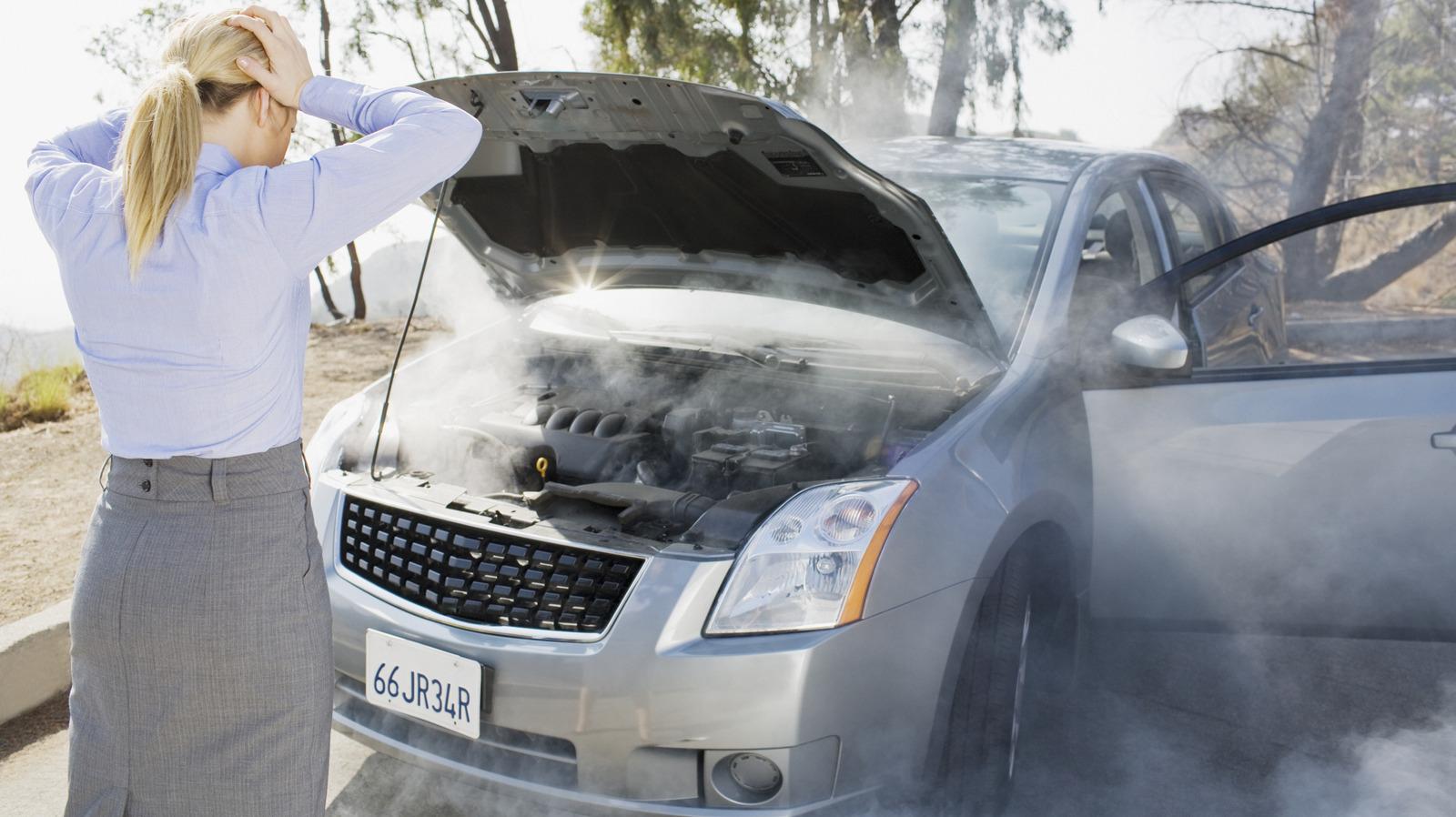
What Causes An Engine To Seize? 2026 Guide to Symptoms, Fixes, and Costs
Image: What Causes An Engine To Seize? 2026 Guide to Symptoms, Fixes, and Costs – Performance and Specifications
- Advertisement -
Imagine this: You are cruising down the highway, and suddenly, your engine emits a deafening metallic clank before the vehicle loses all power. You try to restart it, but the starter motor just clicks weakly. This is the hallmark of a seized engine—the absolute worst-case scenario for any vehicle owner. In 2026, with high-performance turbocharged engines and complex hybrid systems becoming the norm, the cost of a seized engine can range anywhere from $3,500 to $12,000 (₹2,90,000 to ₹10,00,000) depending on the make and model. Whether it is due to simple neglect or a catastrophic mechanical failure, knowing the causes can save you from a total financial loss.
The Primary Culprits: Why Engines Give Up the Ghost
An engine is a precision machine where metal components move against each other at thousands of revolutions per minute. When the lubrication or cooling fails, the result is catastrophic. Here are the main reasons engines seize today.
- Advertisement -
1. Oil Starvation: The Silent Killer
The most common cause remains lack of lubrication. Without oil, the friction between the pistons and the cylinder walls creates intense heat. Eventually, the metal expands so much that the parts literally weld themselves together. Even if you have oil, a failed oil pump can lead to the same result.
2. Hydrolocking: The External Threat
Hydrolocking occurs when water enters the combustion chamber through the air intake. Since liquids do not compress like air-fuel mixtures, the piston hits the water and stops instantly. This often results in bent connecting rods and a permanently seized block.
3. Extreme Overheating
If your cooling system fails and you continue to drive, the engine block and cylinder heads can warp. This distortion causes the moving parts to jam against the internal housing, locking the engine in place.
- Advertisement -
4. Mechanical Failure (Timing Belt/Chain)
In interference engines, if the timing belt snaps, the valves and pistons will collide. This mechanical interference causes the engine to stop dead, often shattering the internal components in the process.
5. Rust and Corrosion from Stagnation
If a car sits for years without being started, moisture can build up inside the cylinders. This leads to rust on the rings and walls, essentially ‘gluing’ the engine in place.
Comparison: Engine Failure Types in 2026
| Failure Type | Primary Cause | Repairability | Cost Estimate (2026) |
|---|---|---|---|
| Seized (Dry) | Oil Starvation | Low (Requires Rebuild) | $5,000+ |
| Hydrolocked | Water Ingestion | Medium (If rods aren’t snapped) | $3,000 – $7,000 |
| Overheated | Coolant Loss | Medium (Head Gasket/Machining) | $2,500 – $5,500 |
Can a Seized Engine Be Fixed?
The short answer is: Yes, but at a price. If the seizure was caused by rust from sitting too long, you might be able to ‘un-seize’ it by putting penetrating oil into the spark plug holes and using a breaker bar on the crankshaft. However, if the engine seized while running at high speeds, the internal damage is usually too severe for a simple fix.
- Advertisement -
Technical Specifications & Repair Data
| Component | Common Damage | Replacement Necessity |
|---|---|---|
| Pistons | Scoring/Melting | Mandatory |
| Crankshaft | Gouging/Bending | Likely |
| Connecting Rods | Bending/Snapping | Mandatory |
| Engine Block | Cracking/Warping | Varies (Requires Machining) |
| Vehicle Segment | Used Engine Cost | New Crate Engine Cost |
|---|---|---|
| Economy (Hatchbacks) | $1,200 | $3,500 |
| Mid-Range SUVs | $3,000 | $6,500 |
| Luxury/Performance | $7,000+ | $15,000+ |
People Also Ask (FAQ)
- What are the early signs of an engine seizing? Unusual knocking sounds, the oil light flickering, and a sudden loss of power are major red flags.
- Can you fix a seized engine without taking it apart? Only if it seized due to rust while sitting. If it seized while driving, it must be disassembled.
- How much does it cost to fix a seized engine in 2026? Average costs range from $3,500 for a rebuild to $10,000 for a full replacement.
- Will insurance cover a seized engine? Generally no, unless the seizure was caused by an accident or a covered external peril like a flood (hydrolocking).
- How long does an engine last before it seizes? With proper maintenance, modern engines can go 200,000+ miles. Without oil, they can seize in less than 15 minutes.
- Is it worth fixing a seized engine on an old car? If the repair cost exceeds 60% of the car’s market value, it is usually better to scrap it.
- What happens if my engine seizes while driving? Your wheels may lock up, your power steering will fail, and you will lose vacuum assist for your brakes.
- Can a bad starter look like a seized engine? Yes. If the starter motor is dead, it will click, mimicking the behavior of a seized engine. Always check the starter first.
- Can low coolant cause an engine to seize? Yes, extreme overheating causes metal expansion that leads to mechanical locking.
- Does ‘un-seizing’ an engine make it reliable? Rarely. Even if you get it moving, the internal components are likely scarred and will fail again soon.
Verdict: Should You Repair Your Seized Engine?
Pros:
– Retains the original VIN-matching components of the vehicle.
– Cheaper than buying a brand-new car in the current 2026 market.
– Opportunity to upgrade internal components (forges pistons, etc.).
Cons:
– Extremely high labor costs.
– Rebuilt engines may not have the same longevity as factory-new ones.
– Potential for hidden damage in the turbocharger or cooling system.
Final Word: If you own a modern vehicle with high resale value, a replacement engine is the way to go. However, if your car is more than 10 years old, a seized engine is usually a sign that it’s time to visit the dealership for a 2026 upgrade.
- Advertisement -