The ‘Wipers On, Lights On’ Mandate: What You Need to Know in 2026
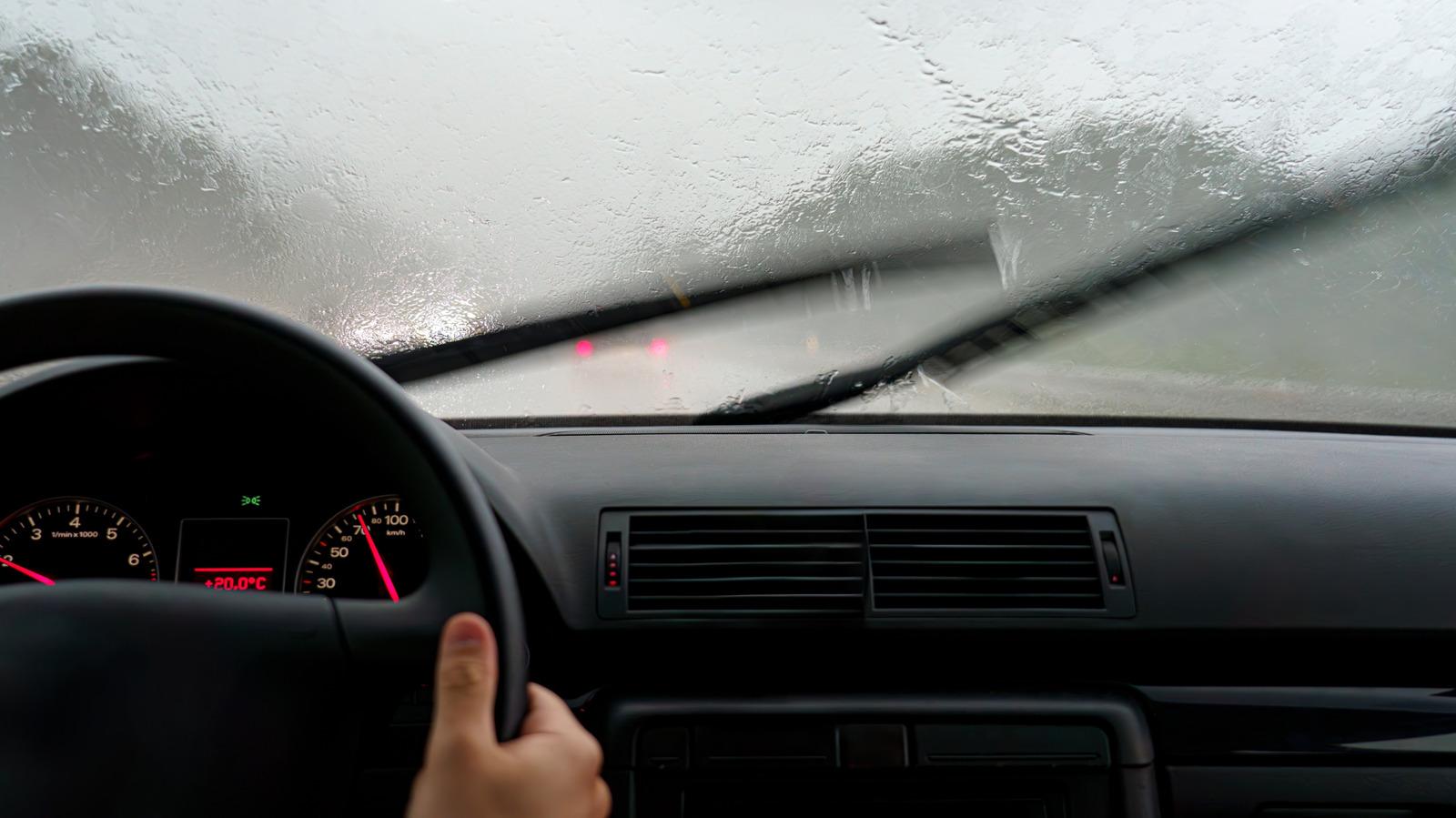
Using Wipers Without Headlights In Bad Weather Is Illegal In These US States (2026 Guide)
Image: Using Wipers Without Headlights In Bad Weather Is Illegal In These US States (2026 Guide) – Performance and Specifications
- Advertisement -
In 2026, road safety has taken center stage with more states implementing strict ‘Wipers On, Lights On’ laws. The logic is simple: if weather conditions are poor enough to require windshield wipers, visibility is significantly compromised for everyone on the road. While many modern 2026 vehicles come equipped with automatic headlight sensors, relying on them can lead to a legal headache. Depending on your location, failing to manually override your lights during a storm could cost you anywhere from $50 to $500 in fines, plus points on your license.
The Legal Landscape: State-by-State Mandatory Requirements
As of 2026, over 30 US states have specific statutes requiring headlights to be illuminated whenever windshield wipers are in continuous use. This law isn’t just about your ability to see; it’s about your vehicle’s visibility to others. In states like New York and California, the law is ‘absolute,’ meaning if the wipers are on, the lights must be too, regardless of the time of day.
- Advertisement -
Why Automatic Headlights Often Fail the Legal Test
Many drivers assume their 2026 model-year vehicle handles everything. However, ambient light sensors often don’t trigger headlights during ‘grey’ rainy days. If your wipers are clearing rain but your sensor thinks it is bright enough to keep the lights off, you are technically in violation of the law in mandatory states. Understanding the nuance of your vehicle’s lighting system is the first step in avoiding unnecessary citations.
| State Law Category | Visibility Requirement | Standard Condition | 2026 Enforcement Level |
|---|---|---|---|
| Mandatory (e.g., NC, NY, OH) | Always with Wipers | Continuous Rain/Snow | High – Strict Fines |
| Condition-Based (e.g., CA, FL) | Under 1,000 Feet | Reduced Visibility | Moderate – Warning First |
| Time-Based (e.g., AZ) | Sunset to Sunrise | Specific Hours Only | Standard Patrol |
2026 Safety Tech vs. Legal Compliance
While the 2026 Ford F-150 and the latest Tesla models have improved integration between wiper activation and headlight triggers, older ‘legacy’ vehicles remain a point of concern for highway patrols. Law enforcement has increased ‘visibility sweeps’ during the rainy seasons to reduce multi-car pileups.
The Impact on Insurance and Liability
Beyond the ticket, being involved in an accident while your wipers are on and headlights are off can drastically affect your liability. Insurance adjusters in 2026 are increasingly citing ‘failure to comply with visibility statutes’ as a reason to shift fault in rain-related collisions.
- Advertisement -
Comparison of Regional Law Strictness
| Feature Comparison | New York (Strict) | California (Conditional) | Florida (Hybrid) |
|---|---|---|---|
| Wiper Linkage Required | Yes – Always | Only if Visibility < 1000ft | Yes – During Rain |
| Daytime Running Lights (DRL) Sufficiency | No – Must use Headlights | No – Must use Headlights | No – Must use Headlights |
| Fines (2026 Estimate) | $150 + Fees | $230 + Fees | $100 + Fees |
State-Wise Penalty Structure (2026 Estimates)
| Violation Variant | State Region | First Offense Fine | License Points |
|---|---|---|---|
| Basic Non-Compliance | Northeast States | $125.00 | 1 Point |
| Visibility Hazard Violation | West Coast States | $215.00 | 0 Points (Moving) |
| Aggravated Weather Driving | Southern States | $95.00 | 2 Points |
Is Your 2026 Vehicle Compliant?
In 2026, most luxury trims now include ‘Global Weather Logic,’ where the ECU forces headlights on the moment the moisture sensor detects rain. However, base models of popular SUVs still require manual intervention. Always check your ‘Auto’ setting to see if it includes a ‘Rain’ sub-setting in the infotainment menu.
People Also Ask (FAQ)
1. Is it illegal to drive with only DRLs in the rain?
Yes, in most states requiring headlights with wipers, Daytime Running Lights (DRLs) do not count because they typically do not illuminate the taillights.
2. Does Florida require headlights when it’s raining?
Yes, Florida law (Section 316.217) requires headlights to be on during any rain, smoke, or fog.
- Advertisement -
3. What is the fine for wipers-on-lights-off in New York?
In 2026, the average fine in NY including court surcharges is approximately $150 to $200.
4. Do automatic headlights turn on when it rains?
Not always. Most systems rely on light levels, not moisture. Unless your car has a wiper-headlight link, they may stay off.
5. Can I get pulled over just for this?
In ‘Primary Enforcement’ states, yes. An officer can pull you over solely for not having your headlights on in the rain.
- Advertisement -
6. Does this law apply to snow?
Yes, if the weather requires wipers to clear the windshield, headlights must be active.
7. Are there states where this isn’t a law?
Several states, like Hawaii and Kentucky, have more generalized visibility laws but no specific wiper-linkage statute.
8. How far should I be able to see to keep my lights off?
The standard ‘safe’ distance in conditional states is 1,000 feet. If you can’t see a car clearly at that distance, turn them on.
- Advertisement -
9. Does this affect my car’s NCAP safety rating?
While not a direct NCAP metric, vehicles with automatic wiper-light integration score better in ‘Active Safety’ evaluations.
10. Is it safer to use high beams in heavy rain?
No, high beams reflect off the water droplets, causing glare. Always use low beams in rain and fog.
Verdict: Should You Worry About This?
Absolutely. While it seems like a minor rule, the 2026 legal climate is less forgiving of ‘simple mistakes.’ The pros of following this law are clear: increased safety, no fines, and protected insurance rates. The cons? Only the two seconds of effort it takes to turn a dial.
- Advertisement -
Pros
- Significantly higher visibility to other drivers.
- Compliance with mandatory state laws avoids hefty 2026 fines.
- Reduces liability in ‘no-fault’ accident states.
Cons
- Automatic sensors can be unreliable in light drizzle.
- Older bulbs may burn out faster with frequent daytime use.