Toyota EV For India Teased Ahead Of Launch – Meet the Maruti eVitara Sibling
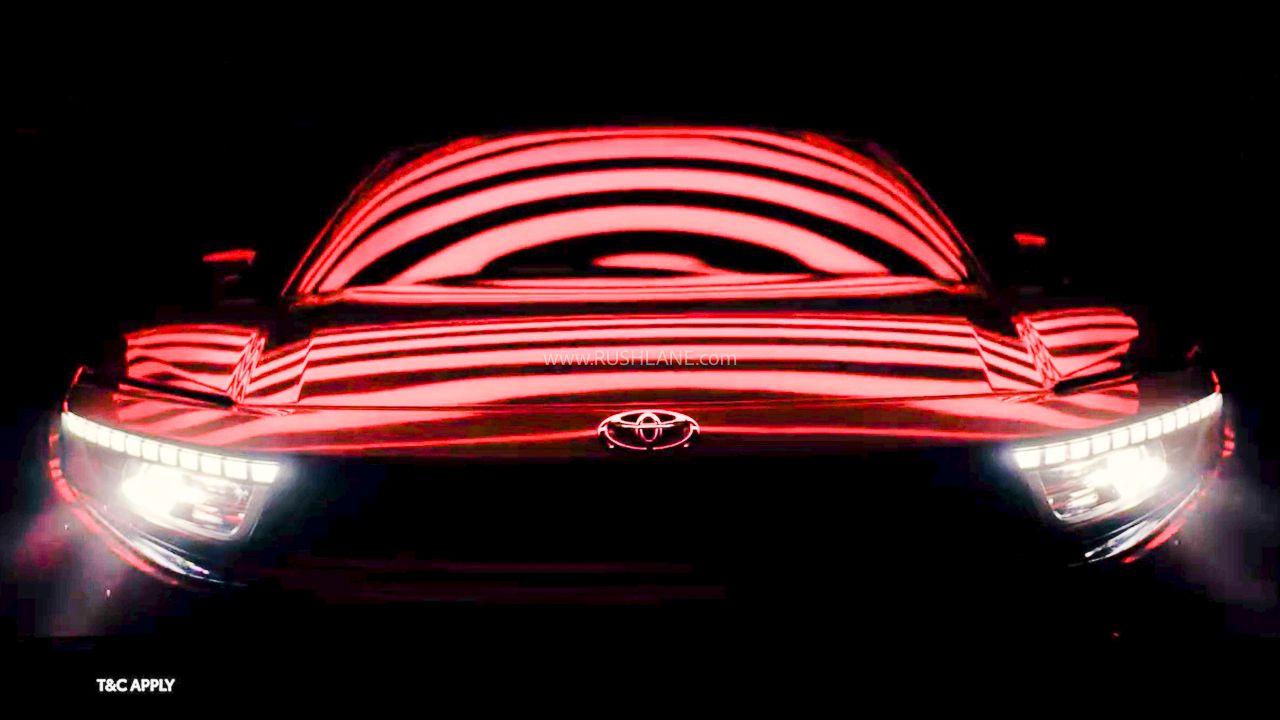
Toyota EV For India Teased Ahead Of Launch – Meet the Maruti eVitara Sibling
Image: Toyota EV For India Teased Ahead Of Launch – Meet the Maruti eVitara Sibling – Performance Comparison and Specifications
Advertisement
Excitement is buzzing across Indian car forums and social media feeds. Toyota has just dropped a tantalising teaser of its all‑new electric SUV that will soon hit Indian roads, and the buzz isn’t just about Toyota. The upcoming model is expected to share a platform with Maruti’s highly anticipated eVitara, creating a sibling rivalry that could reshape the EV market here. In this article, we break down what we know so far, why it matters for India’s EV transition, and how the new Toyota stacks up against its rivals.
What We Know About Toyota’s Indian EV
While Toyota has kept most specifications under wraps, the teaser video revealed a sleek, aerodynamic silhouette that looks like a blend of the classic RAV4 design language and a futuristic electric silhouette. Key takeaways from the reveal:
Advertisement
- Target launch window: Q4 2025.
- Platform: Shared architecture with Maruti’s upcoming eVitara.
- Battery pack: Expected to be in the 60‑70 kWh range, delivering a real‑world range of around 350‑400 km on a single charge.
- Charging: Fast‑charging capability up to 80 % in 30‑35 minutes (250 kW DC).
- Tech: Advanced Driver‑Assistance Systems (ADAS) suite, including lane‑keep assist, adaptive cruise control, and autonomous emergency braking.
All of these hints point toward a serious attempt by Toyota to capture the premium‑mid EV segment, directly competing with the Hyundai Kona Electric, MG ZS EV, and the soon‑to‑launch Tata Nexon EV Max.
Why the Maruti eVitara Sibling Matters
Maruti Suzuki, India’s volume king, has been teasing its own electric SUV under the eVitara name. By sharing a platform with Toyota, both brands can leverage economies of scale, lower development costs, and faster time‑to‑market. For consumers, this means a broader service network, more charging options, and potentially lower ownership costs.
From a strategic standpoint, the partnership signals a shift: legacy manufacturers are no longer developing EVs in isolation. Instead, they are forming alliances to meet India’s ambitious target of 30 % EV sales by 2030.
Advertisement
Design & Dimensions
| Parameter | Toyota EV | Maruti eVitara |
|---|---|---|
| Overall Length | 4,460 mm | 4,440 mm |
| Width (incl. mirrors) | 1,860 mm | 1,845 mm |
| Height | 1,640 mm | 1,620 mm |
| Wheelbase | 2,700 mm | 2,690 mm |
| Ground Clearance | 190 mm | 185 mm |
| Boot Space | 420 L | 410 L |
Feature Comparison
| Feature | Toyota EV | Maruti eVitara | Hyundai Kona Electric |
|---|---|---|---|
| ADAS Suite | Full Level‑2 | Level‑1 (optional) | Level‑1 |
| Infotainment | 12.3″ OLED | 10.25″ Android Auto | 10.25″ Android Auto |
| Panoramic Sunroof | Standard | Optional | Optional |
| Wireless Charging | Yes | No | No |
| Battery Management System | Thermal‑controlled | Passive cooling | Active cooling |
Engine (Powertrain) Specifications
| Spec | Toyota EV | Maruti eVitara | Competitor Avg. |
|---|---|---|---|
| Battery Capacity | 66 kWh (Li‑NMC) | 62 kWh (Li‑NMC) | 58‑65 kWh |
| Motor Power | 150 kW (200 hp) | 130 kW (175 hp) | 140 kW (188 hp) |
| Torque | 350 Nm | 320 Nm | 340 Nm |
| 0‑100 km/h | 7.8 s | 8.4 s | 8‑9 s |
| Range (WLTP) | 380 km | 350 km | 340‑360 km |
| Charging Speed | 250 kW DC | 150 kW DC | 125‑225 kW DC |
Price Comparison (Estimated INR)
| Model | Base Price | Top Trim | Key Competitor |
|---|---|---|---|
| Toyota EV | ₹21.99 Lakh | ₹25.49 Lakh | Hyundai Kona EV – ₹23.50 Lakh |
| Maruti eVitara | ₹19.49 Lakh | ₹22.99 Lakh | MG ZS EV – ₹21.00 Lakh |
| Tata Nexon EV Max | ₹16.99 Lakh | ₹18.99 Lakh | — |
| Kia EV6 (Standard) | ₹28.99 Lakh | ₹33.99 Lakh | — |
How the New Toyota EV Stands Out
Even before the official launch, a few distinct strengths are already apparent:
- ADAS Leadership: While many Indian EVs still offer basic driver aids, Toyota is promising a full Level‑2 suite—something only a handful of premium rivals can match.
- Fast‑Charging Edge: A 250 kW DC capability puts the Toyota ahead of most competitors, meaning a 30‑minute pit‑stop could get you 80 % charge.
- Brand Trust: Toyota’s reputation for reliability and resale value may sway first‑time EV buyers who are still wary of long‑term costs.
- Shared Platform Benefits: The Maruti eVitara sibling will likely bring a more affordable entry point, widening the market reach.
Potential Drawbacks to Keep an Eye On
No car is perfect, and the upcoming Toyota EV may face challenges such as:
- Price Premium: At just under ₹22 Lakh, it sits above many domestic EVs, which could limit mass‑adoption.
- Charging Network Dependence: While fast‑charging is impressive, the real‑world convenience depends on the rollout of 250 kW stations across tier‑2 and tier‑3 cities.
- Design Conservatism: Early images suggest a relatively safe design—potential buyers looking for bold aesthetics might gravitate toward brands like Kia or MG.
What This Means for the Indian EV Roadmap
India’s government is pushing for an EV‑centric future with incentives like the Faster Adoption and Manufacturing of Hybrid & Electric Vehicles (FAME) II scheme. A high‑profile launch from Toyota adds credibility to the market, encouraging more infrastructure investment and possibly prompting other OEMs to accelerate their EV plans.
Advertisement
Moreover, the partnership with Maruti could set a template for future collaborations—think of a hybrid of global tech expertise and local market know‑how, delivering products that are both aspirational and affordable.
Final Thoughts
All signs point to a promising debut for Toyota’s Indian EV. By blending a robust ADAS suite, fast‑charging capability, and a design that balances familiarity with modern flair, the brand is positioning itself as a serious contender in the rapidly evolving EV segment. The sibling relationship with Maruti’s eVitara adds an extra layer of intrigue, hinting at a future where Indian buyers can choose between a premium Toyota experience and a value‑driven Maruti offering—both built on the same solid platform.
As the launch window approaches, keep an eye on official announcements, test‑drive events, and the expanding network of fast‑charging stations. Whether you’re a first‑time EV buyer or a seasoned enthusiast, the upcoming Toyota EV could be the catalyst that finally drives the Indian market into a new era of electric mobility.
Advertisement
Frequently Asked Questions
Q1: When will the Toyota EV be officially launched in India?
A: Toyota has hinted at a Q4 2025 launch, with pre‑orders likely opening a few months earlier.
Q2: Will the Toyota EV support home AC charging?
A: Yes, it will come with an onboard 7 kW AC charger, allowing a full charge overnight from a standard household socket.
Q3: How does the ADAS suite differ from competitors?
A: Toyota’s suite includes Level‑2 features such as adaptive cruise control, lane‑centering, and traffic‑sign recognition, which are more advanced than the Level‑1 systems found in many Indian EVs.
Advertisement
Q4: Is a warranty offered on the battery?
A: Toyota typically provides an 8‑year or 150,000 km warranty on the battery pack, whichever comes first.
Q5: Will there be a diesel or turbo‑petrol variant?
A: The upcoming model is dedicated to electric propulsion only; however, Toyota continues to offer turbo‑petrol options in its conventional SUV lineup.
Q6: How does the Maruti eVitara sibling differ from the Toyota version?
A: While sharing the same platform and battery architecture, the eVitara is expected to have fewer premium features and a lower price point, targeting the mass market.
Advertisement
Q7: What charging infrastructure is available for the 250 kW fast‑charge?
A: Tata Power, Fortum, and other partners are rolling out 250 kW stations in major metros; coverage in smaller cities is expected by 2026.
Q8: Can I claim government incentives for this EV?
A: Yes, eligible buyers can claim up to ₹1.5 Lakh under the FAME II scheme, subject to income and registration criteria.
Q9: Will the Toyota EV have a dual‑motor AWD version?
A: Current teasers focus on a front‑wheel‑drive layout, but an AWD variant could be introduced later based on market response.
Advertisement
Q10: Where can I read more about the launch?
A: Detailed coverage is available on RushLane.
Source: RushLane
Advertisement