The Evolution of Van Culture: Why We Are Still Obsessed
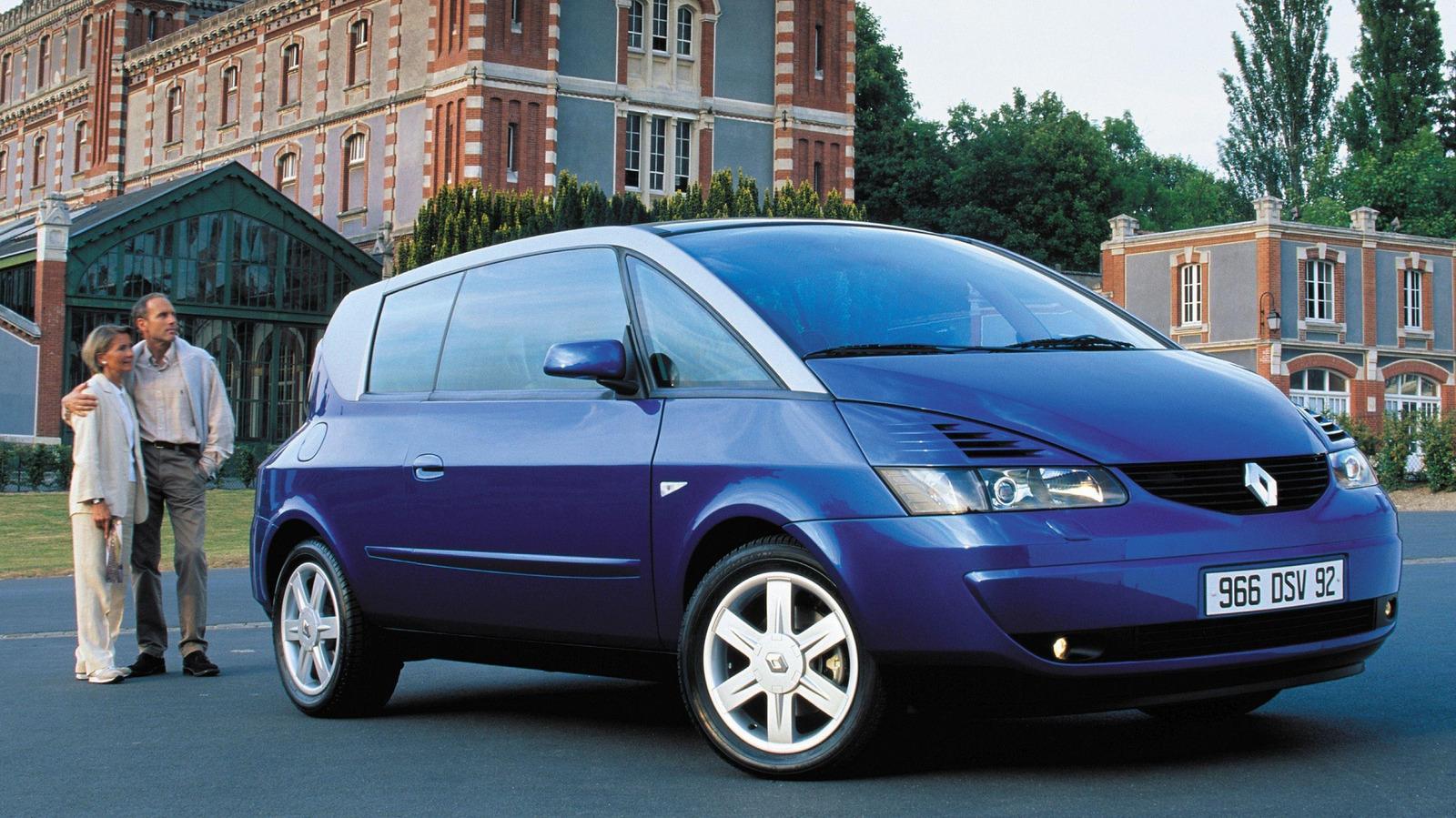
These Are Your Favorite Vans: 2026 Volkswagen ID. Buzz & The Future of MPVs
Image: These Are Your Favorite Vans: 2026 Volkswagen ID. Buzz & The Future of MPVs – Performance and Specifications
- Advertisement -
Throughout history, there have been so many incredible vans, including cargo vans, MPVs, minivans, and all sorts of other strange genre-busters. From the flower-power era of the 1960s to the tech-laden luxury shuttles of today, the van has transitioned from a utility tool to a lifestyle statement. The year 2026 marks a pivotal moment in this history as the iconic Volkswagen ID. Buzz enters its most refined iteration yet. Expected to hit the market with a starting price of roughly $60,000 (approx. ₹55-70 Lakh), the 2026 model promises to blend nostalgic design with futuristic electric performance.
The 2026 Shift: More Than Just a Box on Wheels
Vans are no longer the ‘uncool’ choice. With the rise of #VanLife and the demand for sustainable family transport, vehicles like the 2026 ID. Buzz and its rivals are redefining what it means to be a favorite van. Users on forums like Reddit and VWIDTalk have been buzzing about the 2026 updates, praising the increased battery density while criticizing the persistent use of haptic touch controls on the steering wheel.
- Advertisement -
Design: Retro Aesthetics Meet Futuristic Aerodynamics
The 2026 Volkswagen ID. Buzz remains the poster child for ‘Favorite Vans’ because it captures the soul of the original Type 2 Microbus. For 2026, VW has introduced the long-wheelbase (LWB) version globally, featuring an additional 9.8 inches of length, which allows for a third row of seats and a massive panoramic sunroof that can be tinted at the touch of a button.
Exterior Styling
The iconic two-tone paint remains, but for 2026, we see more aerodynamic refinements to the front fascia to squeeze out every mile of range. The LED matrix headlights now feature a ‘greeting’ animation, and the sliding doors are fully power-operated with gesture control—a feature users have praised for its convenience when hands are full of groceries.
Interior Tech and Comfort
Inside, the 2026 model features a 12.9-inch infotainment screen running the latest software, which addresses the ‘laggy’ complaints of previous years. The cabin is entirely leather-free, utilizing recycled sea plastics and ‘eco-friendly’ fabrics, aligning with the values of the modern EV buyer.
- Advertisement -
Performance: Powering the Modern Icon
The 2026 ID. Buzz isn’t just a slow cruiser. The new GTX variant brings dual-motor All-Wheel Drive (AWD) to the platform, delivering a combined 335 horsepower. This allows the van to sprint from 0-100 km/h in just 6.4 seconds, making it one of the quickest ‘favorite vans’ in history. For those prioritizing range, the rear-wheel-drive Pro model now offers an improved 91 kWh battery, providing a range of up to 480 km (WLTP).
Safety First: NCAP Ratings and Driver Assistance
Safety is a non-negotiable for family-oriented vans. The ID. Buzz platform currently holds a 5-star Euro NCAP rating, and the 2026 model enhances this with ‘Travel Assist 2.5,’ which includes automated lane changes and improved pedestrian detection. The structural integrity of the MEB platform ensures that despite the ‘flat front’ look, occupant protection is top-tier.
The Comparison: How the Favorite Stack Up
To understand why the ID. Buzz is a top contender, we must look at its 2026 rivals: the Kia EV9 and the Mercedes-Benz EQV.
- Advertisement -
| Feature | 2026 VW ID. Buzz (LWB) | 2026 Kia EV9 | 2026 Mercedes-Benz EQV |
|---|---|---|---|
| Seating Capacity | 6 or 7-Seater | 6 or 7-Seater | 7 or 8-Seater |
| Battery Size | 91 kWh | 99.8 kWh | 90 kWh |
| Drive Type | RWD / AWD (GTX) | RWD / AWD | FWD |
| Charging Speed | 200 kW DC | 210 kW DC | 110 kW DC |
| Ground Clearance | 158 mm | 177 mm | 140 mm |
Technical Specifications: 2026 ID. Buzz GTX
| Specification | Details | ||
|---|---|---|---|
| Motor Configuration | Dual Motor (AWD) | Max Power | 335 hp / 250 kW |
| Max Torque | 560 Nm | ||
| 0-100 km/h | 6.4 Seconds | ||
| Top Speed | 160 km/h (Electronically Limited) | ||
| Wheelbase | 3,239 mm (LWB) |
Variant-Wise Pricing (Expected 2026 Ex-Showroom)
| Variant | Estimated Price (USD) | Estimated Price (INR equivalent) |
|---|---|---|
| ID. Buzz Pro (Standard) | $59,995 | ₹50.5 Lakh |
| ID. Buzz LWB (Family) | $65,000 | ₹54.8 Lakh |
| ID. Buzz GTX (Performance) | $72,500 | ₹61.1 Lakh |
People Also Ask (FAQ)
1. Is the VW ID. Buzz coming to India in 2026?
While not officially confirmed, Volkswagen India has expressed interest in bringing the ID. Buzz as a CBU (Completely Built Unit) by late 2025 or early 2026.
2. What is the real-world range of the 2026 ID. Buzz?
Expect approximately 400-430 km in real-world mixed driving conditions for the 91 kWh battery version.
3. Does it have a front trunk (frunk)?
No, the ID. Buzz does not have a frunk as the front space is utilized for HVAC and cooling components.
- Advertisement -
4. How many child seats can it fit?
The ID. Buzz LWB can accommodate up to five ISOFIX child seats depending on the configuration.
5. Is the ID. Buzz better than the Kia EV9?
The ID. Buzz wins on style and urban maneuverability, while the Kia EV9 offers more traditional SUV ruggedness and higher towing capacity.
6. What is the charging time?
Using a 200 kW fast charger, it can go from 10% to 80% in approximately 25-30 minutes.
- Advertisement -
7. Can the seats be removed?
The second-row seats slide and fold but are not easily removable; however, the third-row seats in the LWB version can be removed for extra cargo space.
8. Does it have a heat pump?
Yes, the 2026 model comes standard with a high-efficiency heat pump to preserve range in cold climates.
9. What is the towing capacity?
The AWD GTX variant is rated to tow up to 1,800 kg (approx 4,000 lbs).
- Advertisement -
10. What are the common complaints?
User forums frequently mention the lack of backlighting on the volume sliders and the high price point as the main drawbacks.
Verdict: Should You Buy the 2026 Volkswagen ID. Buzz?
The 2026 ID. Buzz is undoubtedly one of ‘These Favorite Vans’ because it manages to be practical without being boring. If you value design, eco-friendliness, and a massive interior, this is the van of the decade.
Pros
- Unmatched retro-modern styling
- Incredible turning circle for its size
- Spacious and modular interior
- Fast DC charging capabilities
Cons
- Frustrating haptic touch controls
- Premium price tag compared to ICE vans
- No frunk for extra storage
- Advertisement -