The Intersection of High Fashion and Automotive Art
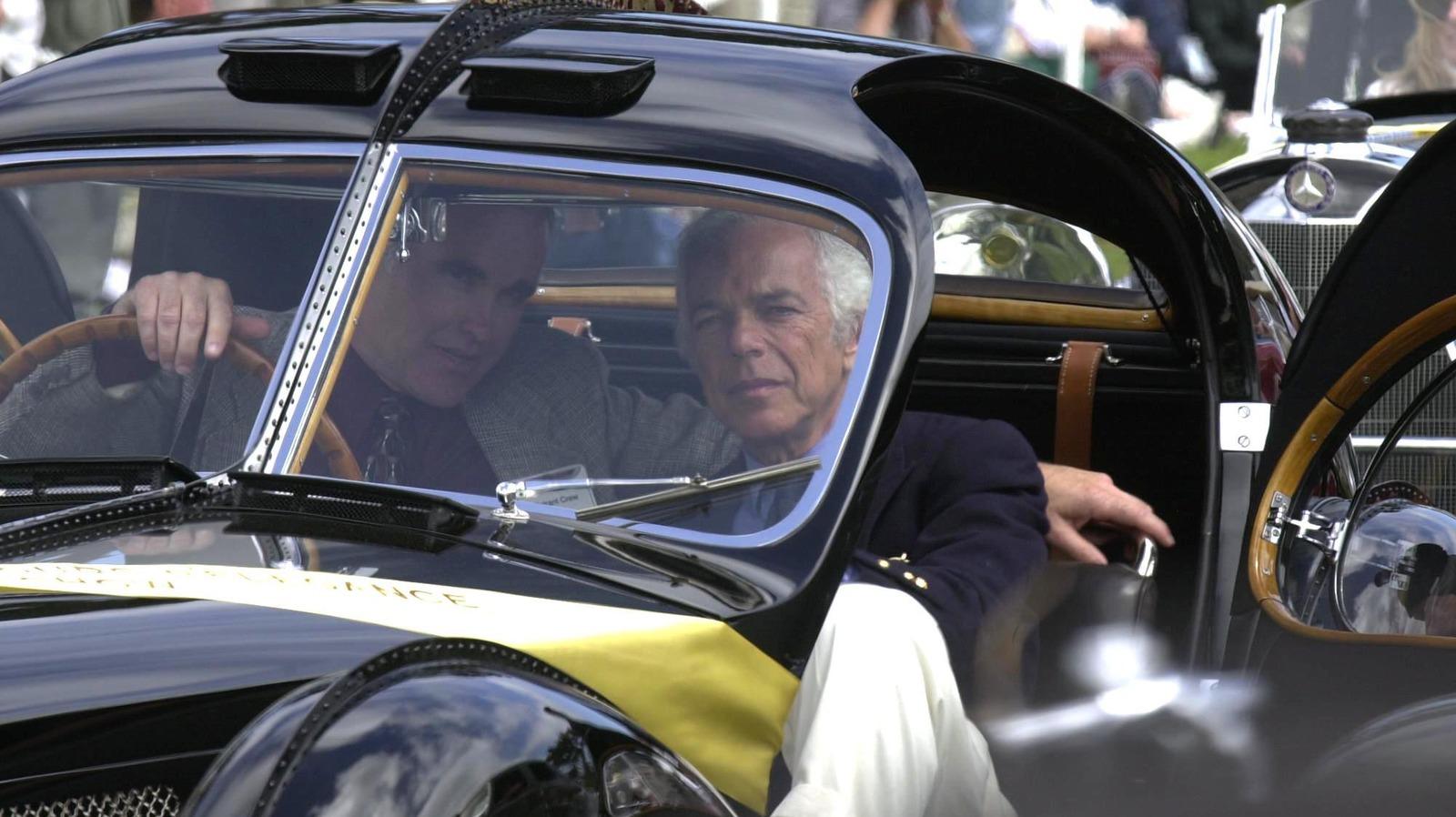
Ralph Lauren’s Car Collection 2026: Why This $600M+ Museum on Wheels Defines Luxury
Image: Ralph Lauren’s Car Collection 2026: Why This $600M+ Museum on Wheels Defines Luxury – Performance and Specifications
- Advertisement -
Imagine a garage where every turn of a key sounds like a symphony and every curve of metal is worthy of a gallery spotlight. For fashion mogul Ralph Lauren, this is not a dream—it is a $600 million reality. While most enthusiasts debate the merits of a new SUV, Lauren’s collection is so prestigious it has graced the halls of the Musée des Arts Décoratifs at the Louvre and Boston’s Museum of Fine Arts. In 2026, as the automotive world pivots toward soulless electrification, these internal combustion masterpieces remain the ultimate benchmark of design. For those asking the price of entry, a single car in this fleet, like the 1938 Bugatti Type 57SC Atlantic, is currently valued at over $40 million (approx. ₹335 Crore).
The Louvre Connection: When Cars Became Fine Art
The collection, known as ‘L’Art de l’Automobile,’ wasn’t just a display of wealth; it was a cultural event. When the Louvre opened its doors to Lauren’s cars, it validated the automobile as a legitimate art form. The exhibition focused on the evolution of style, power, and the unique ‘Lauren’ aesthetic—which favors black, silver, and deep reds, often stripping back original colors to find the ‘soul’ of the machine.
- Advertisement -
The Crown Jewel: 1938 Bugatti Type 57SC Atlantic
Only four were ever made, and only three exist today. Lauren’s 57SC Atlantic is often cited as the most beautiful car in the world. Its iconic dorsal seam, held together by rivets, and its 3.3-liter straight-eight engine represent the pinnacle of pre-war engineering. In 2026, its design language continues to inspire modern Bugatti hypercars, though none can replicate its handcrafted elegance.
The Racing Legend: 1962 Ferrari 250 GTO
The Ferrari 250 GTO is the ‘Holy Grail’ of car collecting. Lauren’s chassis is a pristine example of what happens when aerodynamics meets Italian passion. With a V12 engine producing 300 hp, it was a dominant force on the track before becoming the most expensive investment asset in the world.
The Timeless Silhouette: 1955 Mercedes-Benz 300SL Gullwing
Perhaps the most recognizable car in the world, the Gullwing was a technological marvel of its time, featuring the first use of fuel injection in a production car. Lauren’s version is kept in concours condition, showcasing the distinct silver-over-red leather color palette that defined the mid-century luxury era.
- Advertisement -
The ‘Meat’: Design, Performance, and Heritage
The Ralph Lauren collection isn’t just about labels; it’s about the technical mastery of the 20th century. While modern cars rely on NCAP safety ratings and digital screens, these vehicles rely on mechanical purity.
Design: Every car in the collection shares a common thread—proportional perfection. Whether it’s the sweeping fenders of the 1930s French ‘Teardrop’ cars or the aggressive stance of his 1950s Jaguar D-Types, the design focus is on ‘The Line.’
Performance: These aren’t trailer queens. Ralph Lauren famously drives his collection. From the visceral roar of the 1929 ‘Blower’ Bentley to the high-revving V12 of the McLaren F1 (the modern outlier in his collection), the performance is purely analog.
- Advertisement -
Safety & Tech: By modern NCAP standards, these cars would fail miserably. However, in terms of ‘Historical Integrity,’ they are built with materials—like magnesium, hand-rolled steel, and high-quality leather—that have lasted nearly a century.
2026 Investment Comparison: The Heavy Hitters
| Model | Estimated 2026 Value | Engine Type | Top Speed | Historical Significance |
|---|---|---|---|---|
| Bugatti Type 57SC Atlantic | $45,000,000+ | 3.3L Straight-8 | 125 mph | Art Deco Icon |
| Ferrari 250 GTO | $60,000,000+ | 3.0L V12 | 174 mph | Racing Perfection |
| McLaren F1 (LM Spec) | $25,000,000+ | 6.1L V12 | 240 mph | Modern Masterpiece |
Full Technical Specifications of the Flagship 3
| Feature | 1938 Bugatti 57SC | 1962 Ferrari 250 GTO | 1929 Bentley Blower |
|---|---|---|---|
| Horsepower | 210 HP | 300 HP | 175 HP |
| Transmission | 4-Speed Manual | 5-Speed Manual | 4-Speed Manual |
| Weight | 950 kg | 880 kg | 1,625 kg |
| Chassis Type | Steel Ladder | Tubular Steel | Heavy Steel Frame |
The Verdict: Why These Matter in 2026
In a world of automated driving, Ralph Lauren’s collection reminds us of why we fell in love with cars in the first place. These are not appliances; they are manifestations of human ambition. Should you ‘buy’ into this lifestyle? For 99.9% of the world, these are dreams. But as an investment, the ‘Lauren Collection’ style cars have outperformed the S&P 500 over the last decade.
Frequently Asked Questions (People Also Ask)
- Where is Ralph Lauren’s car collection located? It is kept in a secret, high-security facility in Westchester County, New York, known as ‘D.A.D. Garage.’
- How many cars does Ralph Lauren own? Approximately 70 to 80 rare vehicles.
- What is the most expensive car in his collection? The 1938 Bugatti Type 57SC Atlantic, valued at over $40 million.
- Did he actually display his cars at the Louvre? Yes, in 2011, 17 of his cars were the subject of a dedicated exhibition at the Musée des Arts Décoratifs.
- Does Ralph Lauren drive his cars? Yes, he is frequently seen driving his Ferraris and the McLaren F1 near his estate.
- What is the rarest car in the collection? The Bugatti Type 57SC Atlantic, as only three exist globally.
- What color are most of his cars? While diverse, he has a preference for classic silver, black, and ‘Ferrari Red.’
- Is the collection open to the public? Generally no, but it is occasionally opened for charity events or museum loans.
- How much is the total collection worth in 2026? Estimates exceed $600 million due to the rising value of rare Ferraris and Bugattis.
- What was the first car Ralph Lauren bought? A 1961 Morgan 4/4.
Pros & Cons of Owning a ‘Lauren-Grade’ Collection
- Pros: Unmatched prestige, massive financial appreciation, and ownership of human history.
- Cons: Extreme maintenance costs, security risks, and the inability to drive them in modern traffic safely.
- Advertisement -