The Great Malaise Rebirth: Why 1970s and 80s Chevrolets are Skyrocketing in 2026
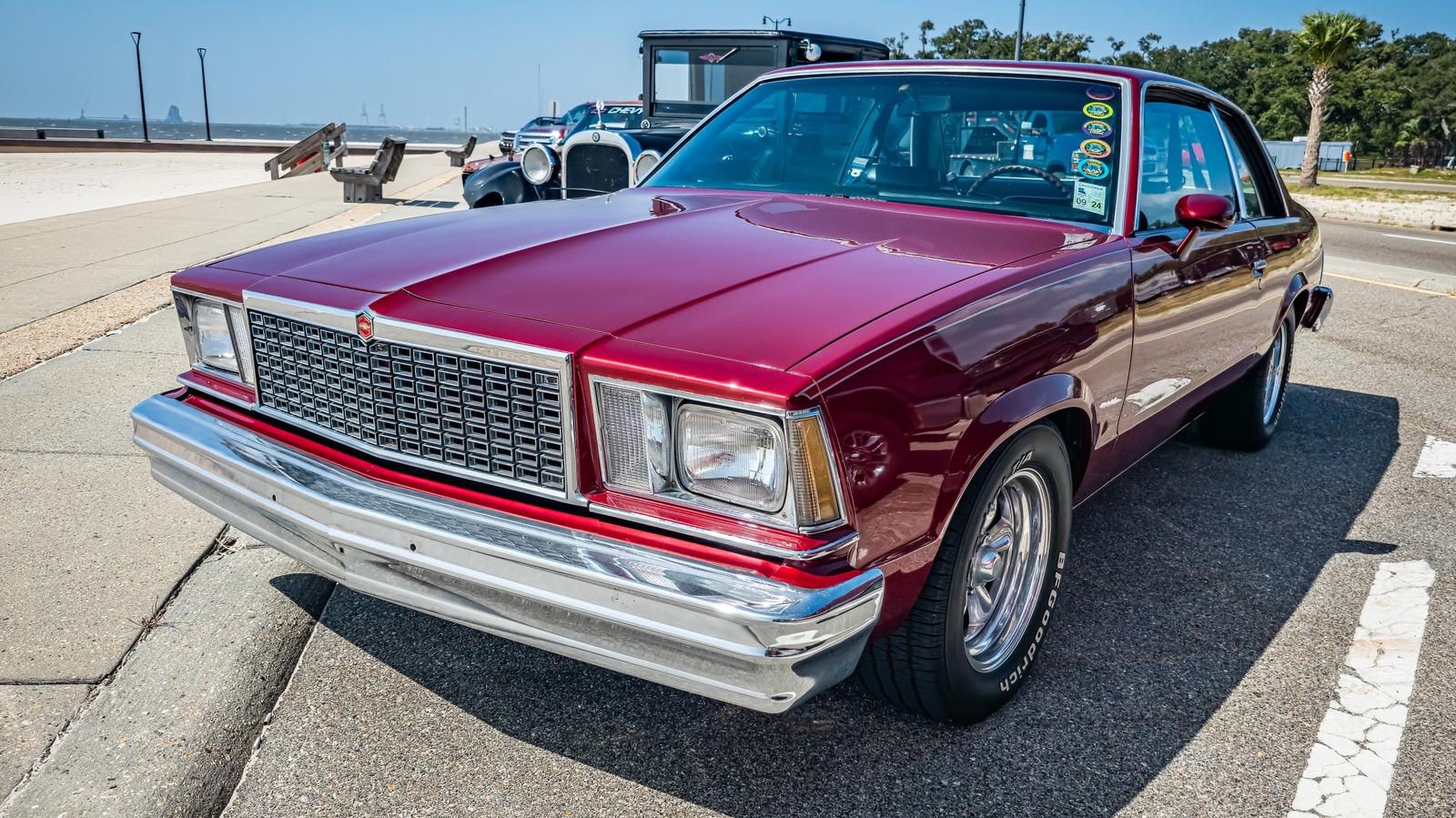
Monza To Malibu: Are 1970s-80s Chevys The Best 2026 Classic Car Investment?
Image: Monza To Malibu: Are 1970s-80s Chevys The Best 2026 Classic Car Investment? – Performance and Specifications
Advertisement
For decades, the period between 1973 and 1983 was whispered about in hushed, derogatory tones by automotive historians. Labeled the ‘Malaise Era,’ it was a time of strangled V8s, heavy emissions equipment, and questionable build quality. However, as we move through 2026, the script has flipped. Nostalgia is a powerful economic engine, and the very cars once dismissed as ‘underpowered junk’ are now the darlings of the collector world. From the nimble Chevrolet Monza to the boxy, authoritative Chevy Malibu, pristine examples are now commanding prices between $18,000 and $55,000, depending on the trim and ‘survivor’ status.
The appeal lies in their simplicity. In an era of over-complicated EVs and software-locked features, enthusiasts are craving the tactile feel of a carbureted (or early EFI) Small Block Chevy. Whether you are looking for a weekend cruiser or a solid foundation for a high-performance restomod, the ’70s and ’80s Chevy lineup offers a unique blend of vintage style and mechanical approachability that modern cars simply cannot replicate.
Advertisement
Design Evolution: From H-Body Curves to G-Body Grit
The Monza: A European Aesthetic with American Soul
The Chevrolet Monza, particularly the 2+2 Hatchback, was a radical departure for Chevy in the mid-70s. Designed originally to house a GM Wankel rotary engine (which never materialized), its sleek, sloping nose and fastback profile looked more like a Ferrari 365 GTC/4 than a traditional Vega-based economy car. In 2026, the Monza Spyder and Mirage variants are the ‘holy grails’ for collectors, prized for their flared arches and aggressive stance.
The Malibu and the G-Body Revolution
By the late 70s, Chevrolet shifted toward the ‘Box’ look. The 1978-1983 Malibu (G-Body) became the quintessential American sedan and coupe. Its crisp lines and formal roofline have aged remarkably well. Today, the Malibu is the primary choice for the ‘Pro-Touring’ community because its frame can handle massive modern horsepower with minimal structural reinforcement.
The Monte Carlo: Luxury Meets Muscle
We cannot discuss this era without the Monte Carlo. By the mid-80s, the SS variant proved that Chevy hadn’t forgotten about performance. With its aerodynamic ‘nose job’ for NASCAR, the 1983-1988 Monte Carlo SS remains one of the most recognizable silhouettes of the decade, currently seeing a 15% year-over-year value increase in the 2026 market.
Advertisement
Performance and Mechanical Specs
While factory performance in the late 70s was admittedly abysmal—with some 5.0L V8s struggling to produce 140 horsepower—the 2026 enthusiast cares more about potential. The ‘bolt-on’ nature of these cars means that a weekend mechanic can swap the smog-choked original engine for a modern LS or LT crate motor with ease.
| Feature | 1975 Chevy Monza (350 V8) | 1980 Chevy Malibu (G-Body) | 1987 Monte Carlo SS |
|---|---|---|---|
| Engine Type | 5.7L V8 (Small Block) | 5.0L V8 (LG4) | 5.0L V8 (High Output) | Original HP | 125 hp | 140 hp | 180 hp | Transmission | 3-Speed Auto / 4-Speed Manual | 3-Speed TH350 | 4-Speed 200-4R Auto | 2026 Market Value (Pristine) | $22,000 | $32,000 | $48,000 |
Interior Tech and Safety: A Time Capsule
Velour, Chrome, and Analog Gauges
Stepping into a 1981 Malibu is a sensory experience. The smell of aged vinyl and the feel of thick velour upholstery are hallmarks of the era. While ‘tech’ was limited to Delco AM/FM radios and optional power windows, the simplicity is the selling point. In 2026, collectors are paying premiums for cars with ‘untouched’ interiors, as finding dash pads that haven’t cracked under the sun is increasingly difficult.
Safety Ratings (Historical Context)
It is important to note that these cars pre-date modern NCAP star ratings. While they are built with ‘heavy metal,’ they lack crumple zones, airbags, and ABS. In 2026, most owners treat these as fair-weather cruisers rather than daily drivers for this very reason. If you plan to drive one frequently, upgrading to Wilwood disc brakes and modern radial tires is highly recommended.
Advertisement
The 2026 Comparison: Chevy vs. The Rivals
To understand the value of these Chevys, we must look at their period competitors. The Ford Fairmont and the Dodge Diplomat were the primary rivals, but they haven’t maintained the same level of aftermarket support or cultural cachet.
| Metric | Chevrolet Malibu (G-Body) | Ford Fairmont (Fox Body) | Dodge Diplomat |
|---|---|---|---|
| Aftermarket Support | Elite (LS Swap Heaven) | Good (Mustang Shared Parts) | Poor (Niche) | Chassis Strength | Full Perimeter Frame | Unibody | Unibody | 2026 Desirability | High | Medium | Low (Niche/Police Spec) |
2026 Pricing Guide: What Should You Pay?
Prices vary wildly based on the ‘survivor’ status. A car that has been sitting in a dry garage in Arizona for 40 years is worth triple what a ‘project car’ in the Rust Belt would fetch.
| Vehicle Model | Fair (Driver Condition) | Good (Restored) | Concours (Pristine/Museum) |
|---|---|---|---|
| Chevy Monza (1975-1980) | $8,500 | $15,000 | $25,000+ | Chevy Malibu Coupe (1978-1981) | $12,000 | $24,000 | $38,000+ | Chevy Monte Carlo SS (1983-1988) | $18,000 | $35,000 | $55,000+ |
People Also Ask (FAQ)
1. Is the Chevy Monza a good first classic car?
Yes, because it shares many mechanical components with other GM vehicles, making parts relatively affordable, though body panels are becoming rare.
Advertisement
2. Why is the G-Body Malibu so popular in 2026?
The G-Body platform is extremely versatile for drag racing and pro-touring builds, and its 1980s aesthetic is currently peaking in popularity.
3. What are the common rust spots on ’70s Chevys?
Check the rear wheel arches, the trunk floor, and the lower portions of the A-pillars. T-Top models are notoriously prone to leaks and floor pan rot.
4. Can I daily drive a 1980 Chevy Malibu?
Technically yes, but in 2026, fuel economy and safety standards make it more suited for weekend use.
Advertisement
5. What is the ‘Malaise Era’?
It refers to the period from 1973 to 1983 when US emissions regulations and the oil crisis led to cars with low horsepower and bulky safety bumpers.
6. How much is a pristine 1987 Monte Carlo SS worth today?
In 2026, a mint, low-mileage Monte Carlo SS can easily fetch between $45,000 and $55,000.
7. Are parts for the Chevy Monza hard to find?
Mechanical parts are easy, but interior plastics and specific glass are difficult to locate and often require sourcing from donor cars.
Advertisement
8. Is an LS swap expensive for these models?
A basic swap starts around $5,000, but a high-end, professional conversion can exceed $15,000.
9. Did the Monza ever come with a V8?
Yes, the Monza was one of the smallest cars to ever factory-fit a 350 cubic inch (5.7L) V8, though it was very cramped in the engine bay.
10. What is the best year for the Chevy Malibu?
1978 and 1979 are highly sought after for their cleaner grille designs and lighter weight.
Advertisement
Verdict: Should You Buy One in 2026?
The window to buy these cars ‘on the cheap’ is rapidly closing. If you find a clean, rust-free Malibu or Monza, it is a Buy. They represent the last era of cars you can truly work on yourself without a computer degree.
Pros:
– Massive aftermarket support for G-Bodies.
– High nostalgia value driving future appreciation.
– Simple mechanicals perfect for DIYers.
– Iconic ’80s ‘Box’ styling.
Cons:
– Poor factory build quality (rattles and plastic trim).
– Original engines require significant work to be ‘fast’.
– Safety features are non-existent compared to modern standards.
Advertisement