Japan Automotive Aesthetics and Durability Trends Fuel Growth in Modern Vehicles
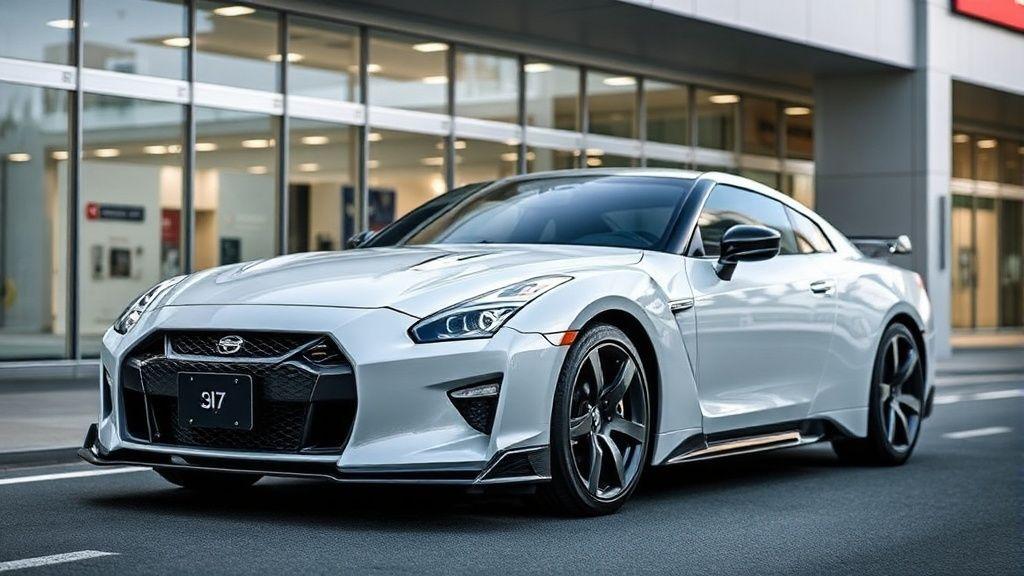
Japan Automotive Aesthetics and Durability Trends Fuel Growth in Modern Vehicles
Image: Japan Automotive Aesthetics and Durability Trends Fuel Growth in Modern Vehicles – Performance Comparison and Specifications
Advertisement
Japan continues to be a benchmark for innovative automotive design, and its focus on aesthetics has led to the creation of remarkable vehicles that have captured the hearts of consumers globally.
The emphasis on Japanese automotive trends has become a significant driving force for growth in the modern vehicle market, with consumers increasingly seeking out vehicles that offer not only exceptional style but also robust and durable constructions.
Advertisement
Design Evolution
Sleek and Futuristic
The recent trends in Japanese automotive design showcase sleek, futuristic, and aerodynamic designs that not only capture the imagination of consumers but also reflect the brand’s commitment to quality, innovation, and precision engineering.
Whether it’s the bold new Lexus UX design or the sporty Honda Civic, these modern vehicles exude style, sophistication, and an air of elegance, which has further reinforced the reputation of Japan as a leader in the automotive industry.
Advanced Features
Intelligent Driver Assistance Systems (ADAS)
Japanese manufacturers are now integrating cutting-edge Intelligent Driver Assistance Systems (ADAS), which provide an advanced and intelligent driving experience for consumers.
Advertisement
ADAS features, such as Lane Departure Warning, Adaptive Cruise Control, and Automatic Emergency Braking, are available across various models and offer a higher level of convenience, comfort, and safety for drivers.
The introduction of features like 360-degree cameras and parking sensors in models like the Toyota C-HR and Honda CR-V highlights the focus on delivering innovative technology that addresses driver concerns and preferences.
Powertrain Innovation
Turbo-Petrol Engines
The adoption of turbo-petrol engines in several Japanese models has marked a significant shift in the industry, enhancing both efficiency and performance.
Advertisement
With the likes of the Honda Civic, Toyota Corolla, and Lexus UX featuring turbo-petrol engines, these vehicles now boast superior power, torque, and better fuel economy, further solidifying Japan’s commitment to providing innovative, high-performance powertrains.
The focus on fuel efficiency and reduced emissions with the implementation of turbo-petrol engines has contributed significantly to making modern vehicles more eco-friendly and appealing to environmentally conscious consumers.
Trends Analysis
Design and Dimensions Comparison
| Model | Length (mm) | Width (mm) | Height (mm) |
|---|---|---|---|
| Lexus UX | 4435 | 1929 | 1558 |
| Honda Civic | 4608 | 1975 | 1437 |
| Toyota Corolla | 4679 | 1823 | 1463 |
Feature Comparison
| Model | ADAS Features | Turbo-Petrol Engine |
|---|---|---|
| Lexus UX | 360-degree camera, parking sensors | yes |
| Honda Civic | Lane Departure Warning, Adaptive Cruise Control | yes |
| Toyota Corolla | Automatic Emergency Braking | yes |
Engine Specifications
| Model | Engine | Horsepower | Torque |
|---|---|---|---|
| Lexus UX | 2.0L Turbo-Petrol | 238 hp | 253 lb-ft |
| Honda Civic | 2.0L Turbo-Petrol | 306 hp | 299 lb-ft |
| Toyota Corolla | 1.8L Turbo-Petrol | 179 hp | 171 lb-ft |
Price Comparison
| Model | Price (USD) |
|---|---|
| Lexus UX | $38,550 |
| Honda Civic | $24,350 |
| Toyota Corolla | $21,200 |
As we move forward in the rapidly evolving automotive industry, it’s clear that Japan’s innovative approach to automotive aesthetics and durability trends will play a significant role in shaping the future of modern vehicles.
Advertisement
Conclusion
In conclusion, Japanese automotive trends have undoubtedly set a new benchmark for the industry, emphasizing innovative designs, robust constructions, and cutting-edge technologies.
As consumers continue to prioritize aesthetics, efficiency, and safety, Japanese manufacturers will undoubtedly remain at the forefront of innovation, driving growth and shaping the future of the automotive industry.
Frequently Asked Questions
- Q1: What is the latest trend in Japanese automotive design?
A1: The latest trend in Japanese automotive design is characterized by sleek, futuristic, and aerodynamic designs that reflect the brand’s commitment to quality, innovation, and precision engineering.
Advertisement
A2: Models like the Honda Civic, Toyota Corolla, and Lexus UX feature turbo-petrol engines, offering superior power, torque, and better fuel economy.
A3: ADAS features like Lane Departure Warning, Adaptive Cruise Control, and Automatic Emergency Braking provide an advanced and intelligent driving experience, prioritizing driver convenience, comfort, and safety.
A4: The Lexus UX features a 360-degree camera, along with parking sensors, enhancing driver visibility and convenience.
Advertisement
A5: The starting price of the Toyota Corolla is $21,200.
A6: The Honda Civic boasts a 306-horsepower 2.0L Turbo-Petrol engine.
A7: The focus on fuel efficiency through the implementation of turbo-petrol engines has contributed to making modern vehicles more eco-friendly and appealing to environmentally conscious consumers.
Advertisement
A8: The Toyota Corolla is equipped with a 1.8L Turbo-Petrol engine.
A9: Japanese manufacturers prioritize innovation, quality, and precision engineering to deliver exceptional vehicles that meet consumer demands and preferences.
A10: Japanese automotive trends will continue to shape the future of modern vehicles, emphasizing innovative designs, durable constructions, and cutting-edge technologies.
Advertisement
We hope you enjoyed this article and gained a better understanding of Japan’s remarkable automotive trends!
Auto News • India Updates • Latest Torque
Advertisement
Advertisement
Trading News
1
Mahindra XUV7XO Rival Launch in India – Price, Design, Specs & Rivals
2Do One-Way Streets Really Help Traffic Flow? Pros, Cons & Real-World Impact
3Why Automatic Transmissions Use Flex Plates Instead of Flywheels – Explained
4India Jan 2026 Car Export Numbers: Top Models Like Fronx, Jimny, i10 Lead the Way
5Top 30 Indian Car Exports Jan 2026 – Prices, Mileage & Design Highlights
6Jan 2026 SUV Sales (₹4.5‑4.8 Lakh): Scorpio, XUV700, Harrier, Fortuner, Safari, XEV9e & Alcazar
7Nissan Gravite Price, Variants, Features & Delivery Details – Which One to Pick?
8Mitsubishi Xpander Price, Launch & Mileage – Can It Replicate Tata’s Success?
9Britain’s Railway-to-Road Campaign: History, Costs, and Lessons
10New Tata Punch EV Launch Price: Rs 6.49 L with BaaS – Rs 9.59 L Including Battery
Latest News
Mahindra XUV7XO Rival Launch in India – Price, Design, Specs & Rivals
22 Feb 2026Do One-Way Streets Really Help Traffic Flow? Pros, Cons & Real-World Impact
22 Feb 2026Why Automatic Transmissions Use Flex Plates Instead of Flywheels – Explained
21 Feb 2026India Jan 2026 Car Export Numbers: Top Models Like Fronx, Jimny, i10 Lead the Way
21 Feb 2026Top 30 Indian Car Exports Jan 2026 – Prices, Mileage & Design Highlights
21 Feb 2026Jan 2026 SUV Sales (₹4.5‑4.8 Lakh): Scorpio, XUV700, Harrier, Fortuner, Safari, XEV9e & Alcazar
20 Feb 2026Nissan Gravite Price, Variants, Features & Delivery Details – Which One to Pick?
20 Feb 2026Mitsubishi Xpander Price, Launch & Mileage – Can It Replicate Tata’s Success?
20 Feb 2026Britain’s Railway-to-Road Campaign: History, Costs, and Lessons
20 Feb 2026New Tata Punch EV Launch Price: Rs 6.49 L with BaaS – Rs 9.59 L Including Battery
20 Feb 2026Advertisement