The Resurgence of an EV Icon: Why the Chevy Bolt Still Matters in 2026
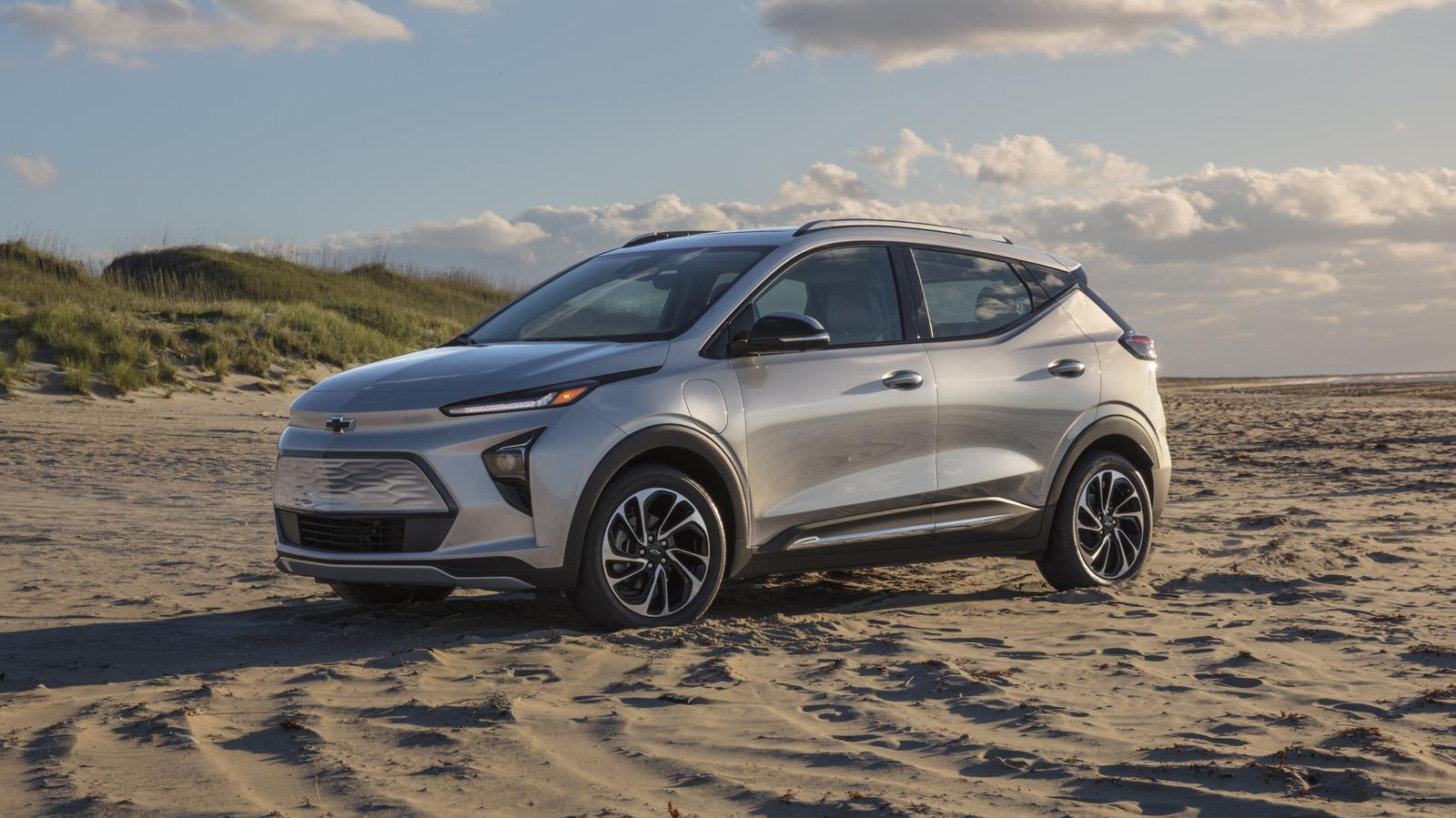
How Reliable Is A Used Chevy Bolt in 2026? J.D. Power Ratings, Specs, and Buying Guide
Image: How Reliable Is A Used Chevy Bolt in 2026? J.D. Power Ratings, Specs, and Buying Guide – Performance and Specifications
- Advertisement -
As we navigate the 2026 automotive landscape, the Chevrolet Bolt remains one of the most talked-about vehicles in the electric vehicle (EV) sector. Whether you are looking at the pre-owned market where prices range from $14,000 to $22,000, or anticipating the return of the next-generation 2027 model (expected to start around $28,000), reliability is the primary concern for buyers. The Bolt has transitioned from a discontinued pioneer to a secondary market king, but does it hold up against modern rivals? This guide dives deep into J.D. Power ratings, technical specifications, and real-world owner feedback to see if this compact EV is a smart investment today.
J.D. Power Reliability Ratings: Breaking Down the Scores
According to J.D. Power, the Chevrolet Bolt has historically maintained a ‘Great’ quality and reliability rating, often hovering between 77 and 82 out of 100. For the 2022 and 2023 models—the ones most prevalent on the used market in 2026—the vehicle scored particularly well in the powertrain and infotainment categories. However, the shadow of the LG Chem battery recall remains a factor that buyers must navigate.
- Advertisement -
The Impact of the Battery Recall on Longevity
Most used Bolts on the market today have either had their battery modules replaced or have undergone a software diagnostic update. This is actually a ‘pro’ for used buyers: many 2017-2022 models effectively have brand-new battery packs with refreshed 8-year/100,000-mile warranties, making them more reliable than their odometer might suggest.
Common Mechanical Issues and Cons
While the electric motor is virtually bulletproof, owners on forums like BoltEV.org frequently mention minor ‘creaks and groans’ from the front suspension and occasional software glitches in the infotainment system. The most significant ‘con’ cited by 2026 users is the DC fast-charging speed, which is capped at 55 kW—significantly slower than the 150+ kW speeds found in newer competitors.
Design and Interior Tech: Practicality Over Luxury
The Bolt EV and its slightly larger sibling, the Bolt EUV, were designed with a ‘tall-hatch’ philosophy. This provides exceptional headroom and a command-view seating position that rivals many compact SUVs. Inside, the 10.2-inch touchscreen remains crisp and responsive even by 2026 standards, offering wireless Apple CarPlay and Android Auto.
- Advertisement -
Safety Ratings and Driver Assistance
The Chevy Bolt has consistently performed well in safety testing. The IIHS (Insurance Institute for Highway Safety) gave the Bolt EUV top marks in most crashworthiness categories. Standard features include Chevy Safety Assist, which bundles automatic emergency braking, lane-keep assist, and forward collision alert. Some EUV models even come equipped with Super Cruise, GM’s hands-free driver assistance technology, which is a rarity at this price point.
Performance and Range: Real-World Expectations
Equipped with a 65 kWh battery pack, the Bolt delivers an EPA-estimated range of 259 miles (247 miles for the EUV). In real-world 2026 testing, even aged batteries are maintaining approximately 90-95% of their original capacity thanks to GM’s excellent thermal management system.
| Feature | Chevrolet Bolt EV (2023/2026 Refurb) | Hyundai Kona Electric (2026) | Nissan Leaf (60kWh) |
|---|---|---|---|
| Starting Price (Used/New) | $16,500 (Used) | $34,000 (New) | $29,000 (New) |
| Range (EPA) | 259 Miles | 261 Miles | 212 Miles |
| Max Charging Speed | 55 kW (DC) | 100 kW (DC) | 50 kW (CHAdeMO) |
| 0-60 MPH | 6.5 Seconds | 6.7 Seconds | 6.8 Seconds |
| Hands-Free Driving | Super Cruise (Optional) | Highway Driving Assist II | ProPILOT Assist |
Full Technical Specifications
| Specification | Details |
|---|---|
| Motor Type | Permanent Magnet Drive Motor |
| Horsepower | 200 hp |
| Torque | 266 lb-ft |
| Battery Capacity | 65 kWh Lithium-ion |
| Drivetrain | Front-Wheel Drive (FWD) |
| Cargo Space | 16.6 – 57.0 cu.ft. |
| On-board Charger | 11.5 kW |
Variant-Wise Pricing (Market Estimates for 2026)
| Variant/Year | Estimated Market Price (Ex-Showroom Equivalent) |
|---|---|
| 2020 Bolt EV Premier (Used) | $14,800 |
| 2022 Bolt EUV Launch Edition | $19,500 |
| 2023 Bolt EV 2LT | $21,200 |
| 2027 Next-Gen Bolt (MSRP Est.) | $28,500 |
People Also Ask (FAQ)
1. Is a used Chevy Bolt worth it in 2026?
Yes, especially if your daily commute is under 150 miles. Its low entry price and high reliability make it the best value-for-money used EV.
- Advertisement -
2. How long does a Chevy Bolt battery last?
With proper thermal management, these batteries are expected to last 150,000 to 200,000 miles before significant degradation (below 70% capacity) occurs.
3. What is the J.D. Power reliability score for the Chevy Bolt?
It typically scores an 80/100, which is considered ‘Great’ in the consumer electronics and automotive segments.
4. Does the Bolt support fast charging?
It supports DC Fast Charging but is limited to 55 kW, which adds about 100 miles of range in 30-40 minutes.
- Advertisement -
5. Are there any recalls on the 2023 Chevy Bolt?
The 2023 models were largely exempt from the major battery recalls that affected 2017-2022 units, as they used updated battery chemistry from the factory.
6. How much does it cost to replace a Chevy Bolt battery?
Out of warranty, a full replacement can cost between $7,000 and $10,000, though most used units are still covered by the 8-year transferrable warranty.
7. What is the range of the 2026/2027 Chevy Bolt?
The upcoming Ultium-based Bolt is expected to offer a range between 250 and 300 miles with faster charging capabilities.
- Advertisement -
8. Bolt EV vs. Bolt EUV: What’s the difference?
The EUV is 6 inches longer, offers 3 inches more rear legroom, and features optional Super Cruise and a sunroof, which are not available on the standard EV.
9. Is the Chevy Bolt being discontinued?
It was briefly paused, but GM CEO Mary Barra confirmed it is returning on the Ultium platform for the 2027 model year.
10. How does Bolt compare to Tesla Model 3?
The Bolt is cheaper and has a more functional hatchback shape, but the Model 3 offers much faster charging and a superior Supercharger network.
- Advertisement -
Verdict: Should You Buy It?
Pros: Excellent value, spacious cabin, ‘new’ batteries in many used units, and zippy city performance.
Cons: Slow DC charging speed, dated interior plastics, and lack of All-Wheel Drive (AWD).
Final Thoughts: If you need a reliable, affordable commuter car and can charge at home overnight, the Chevy Bolt is the best used EV purchase you can make in 2026. If you frequently take long road trips, you may want to wait for the 2027 Ultium model or look at a used Tesla.
- Advertisement -