The Evolution of Gridlife: From Grassroots to a National Phenomenon
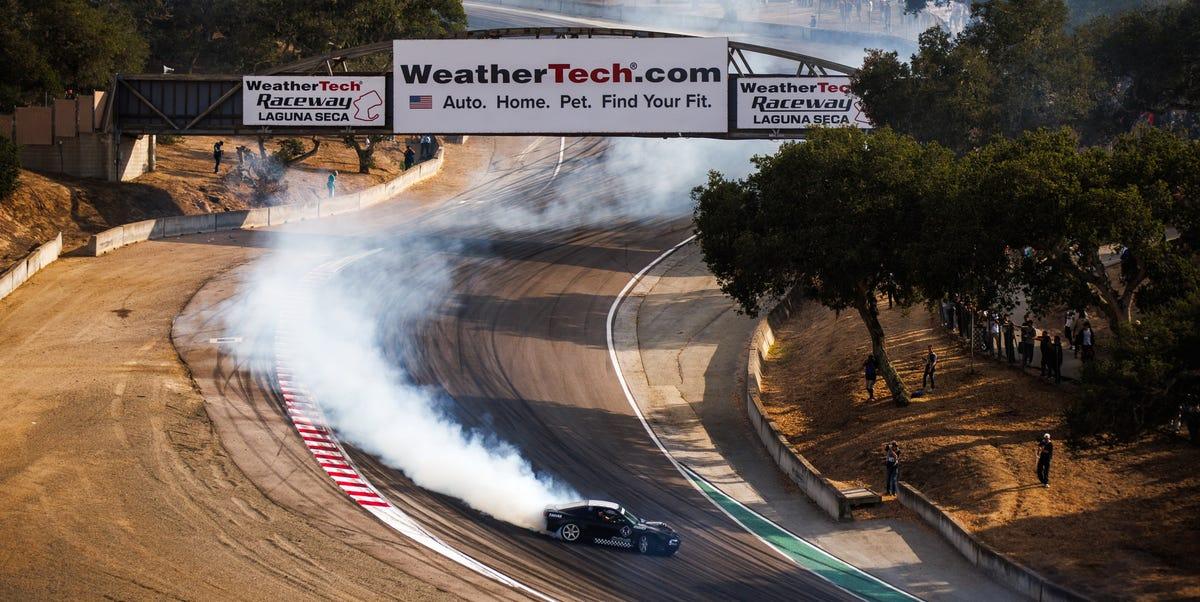
Gridlife 2026: Why Chris Stewart Sold the ‘Motorsports Coachella’ and What it Means for You
Image: Gridlife 2026: Why Chris Stewart Sold the ‘Motorsports Coachella’ and What it Means for You – Performance and Specifications
- Advertisement -
Imagine a world where the high-octane roar of a 1,000-horsepower drift car harmonizes perfectly with the rhythmic pulse of an electronic dance music stage. This is the reality of Gridlife, the festival often dubbed the ‘Motorsports Coachella.’ As we look toward 2026, the series is undergoing its most significant transformation yet. Following the acquisition of the series, founder Chris Stewart has opened up about the future, his obsession with the band Phish, and how the ‘Gridlife’ formula is being refined for a new era of enthusiasts. With event entry fees typically starting around $65 for spectators and $480 for drivers, Gridlife remains the most accessible professional-grade racing experience in North America.
The Phish Influence: Community Over Competition
In a recent deep dive, Chris Stewart revealed that the blueprint for Gridlife wasn’t actually another racing series like Formula 1 or NASCAR. Instead, it was the jam-band culture of Phish. The idea was to create an ‘ecosystem’ where the fans are as much a part of the show as the performers (or drivers). By 2026, this community-centric model is expected to expand with more regional ‘Trackside’ events that bridge the gap between local track days and the massive ‘Festival Tour’ stops.
- Advertisement -
2026 Technical Regulations: The Gridlife Touring Cup (GLTC)
For those looking to compete, the GLTC remains the crown jewel of the series. Unlike traditional racing classes that rely on strict engine displacement rules, GLTC utilizes a sophisticated power-to-weight ratio balancing act. This allows a diverse field—ranging from Honda S2000s to Chevrolet Corvettes—to compete door-to-door on a level playing field. For 2026, new aero-mapping software is being introduced to ensure that the balance of performance (BoP) remains fair for all entrants.
Design and Atmosphere: More Than Just a Race
The ‘design’ of a Gridlife event is meticulously curated. In 2026, expect a revamped ‘Paddock Experience’ where fans can interact directly with the teams. The aesthetic continues to lean heavily into the ‘Cyberpunk’ and ’90s JDM’ vibes that have made the series a hit on social media. It isn’t just about the cars; it’s about the lifestyle, the fashion, and the shared passion for automotive culture.
Interior Tech and Safety: Keeping Drivers Secure
Safety is the silent backbone of the series. While Gridlife doesn’t have an NCAP rating (as it is an event, not a vehicle), the safety protocols for 2026 have been elevated to FIA-adjacent standards. All competing vehicles must feature SFI-rated roll cages, fire suppression systems, and HANS device compatibility. Furthermore, the 2026 season will see the integration of real-time telemetry tracking for all drivers, allowing fans to follow G-forces and top speeds via the Gridlife Live app.
- Advertisement -
Gridlife 2026 vs. The Competition
How does the Gridlife experience stack up against traditional racing bodies like the SCCA or NASA? While the latter focus on pure competition, Gridlife prioritizes the ‘vibe’ and spectator engagement.
| Feature | Gridlife (2026) | SCCA (Sports Car Club) | NASA Pro Racing |
|---|---|---|---|
| Focus | Entertainment & Lifestyle | Pure Competition | Driver Development |
| Spectator Appeal | High (Music/Food/Culture) | Low to Moderate | Moderate |
| Car Diversity | Experimental/Custom | Strictly Categorized | Standardized Classes |
| Average Entry Fee | $450 – $600 | $300 – $500 | $350 – $550 |
| Fan Engagement | Social Media Heavy | Member Focused | Grassroots Focused |
Full Technical Specifications (2026 Series Standard)
| Category | Specification |
|---|---|
| Power-to-Weight Ratio | 12.5 lbs per HP (Base) |
| Tire Rule | 200 Treadwear (Spec Series) |
| Safety Standard | SFI 38.1 / FIA 8855-1999 |
| Fuel Type | 93 Octane / E85 (Regulated) |
| Aero Limit | Flat Floor allowed with penalty |
Gridlife 2026 Event Pricing (Estimated)
| Tier | Price (Ex-Showroom/Gate) |
|---|---|
| General Admission (Weekend) | $125 |
| VIP Hospitality Pass | $350 |
| Time Attack Entry | $485 |
| GLTC Competition Entry | $550 |
| Drift Entry (Invitational) | $600 |
People Also Ask: Gridlife 2026 FAQ
- Who owns Gridlife now? Gridlife was acquired by a larger sports entertainment group, but Chris Stewart remains the creative lead.
- What is the influence of Phish on Gridlife? Chris Stewart used Phish’s model of community-building and multi-day festival ‘villages’ as the template for Gridlife events.
- How much does it cost to race in Gridlife? Most driver entries range from $450 to $600 per weekend.
- Is Gridlife safe for beginners? Yes, the ‘HPDE’ (High-Performance Driver Education) program is specifically designed for novices.
- Do I need a roll cage for Gridlife? Only for the ‘Competition’ and ‘Drift’ classes; standard track days only require basic safety gear.
- What are the 2026 venues? Iconic tracks like Lime Rock, Road Atlanta, and Laguna Seca are on the 2026 schedule.
- Can I bring my dog to Gridlife? Generally, pets are discouraged due to high noise levels, but check specific track rules.
- Is there an age limit for spectators? No, it is a family-friendly event, though some areas are 21+ during music performances.
- What is the GLTC? It stands for Gridlife Touring Cup, a wheel-to-wheel sprint racing series.
- How do I watch Gridlife if I can’t attend? Gridlife Live broadcasts all major festival stops on YouTube and Twitch.
Verdict: Is Gridlife 2026 Worth Your Time and Money?
If you are a hardcore enthusiast who values the culture of cars as much as the lap times, Gridlife is unmatched. While traditional racers might find the music and ‘hype’ distracting, the 2026 season promises to be the most organized and professional iteration yet.
- Pros: Incredible community, high production value, diverse car builds, excellent media coverage.
- Cons: Can be crowded, higher entry fees than local club events, strict ‘Balance of Performance’ rules.
- Advertisement -