Bottom line: Gas shocks give a firmer feel and quicker response, while hydraulic shocks offer smoother, more forgiving rides. Choose based on your driving style and budget.
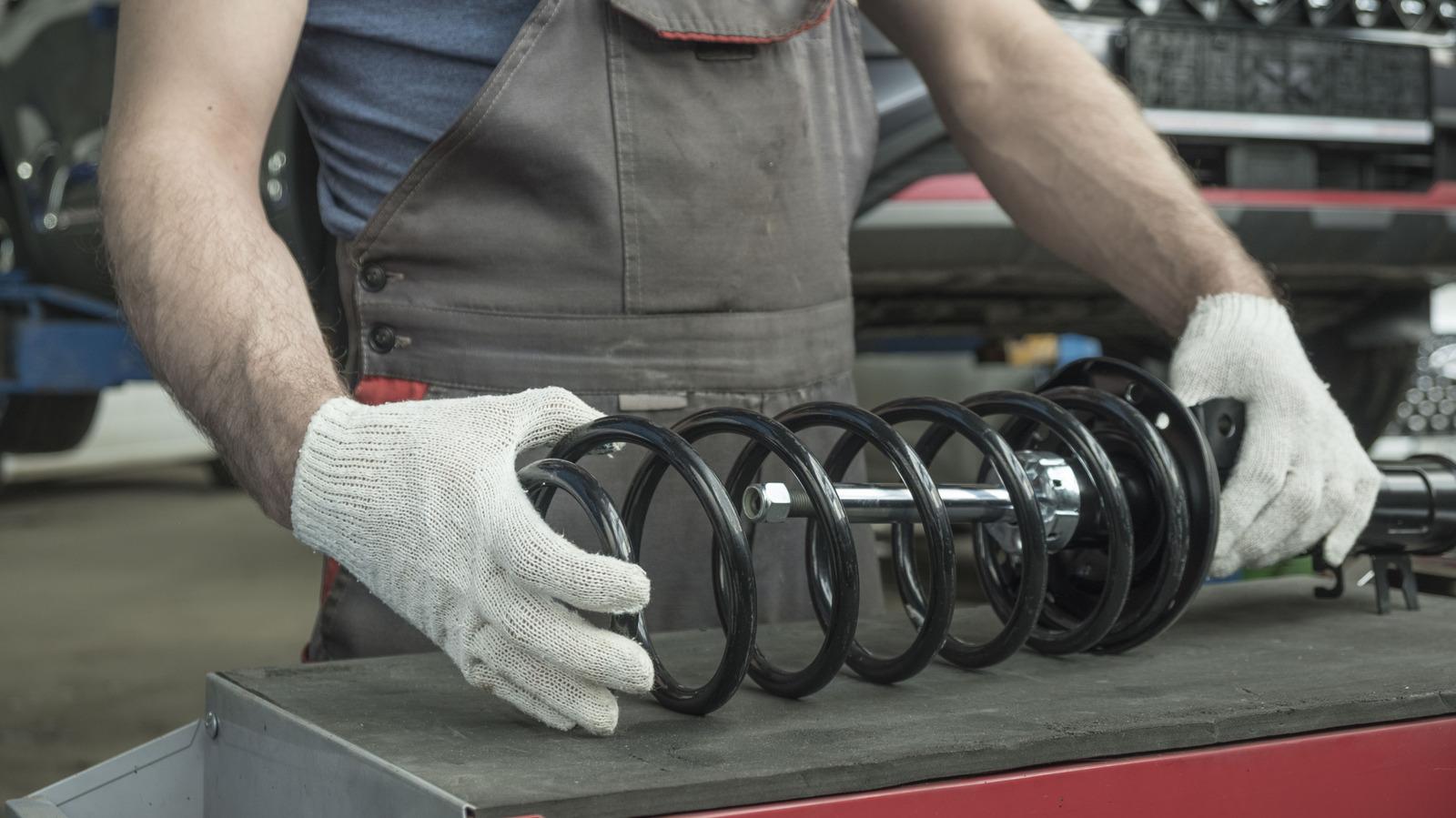
Gas vs. Hydraulic Shock Absorbers: Which Is Better for Your Ride?
Advertisement
Image: Gas vs. Hydraulic Shock Absorbers: Which Is Better for Your Ride? – Performance Comparison and Specifications
Design & Looks
Both types sit inside the same basic piston‑rod housing, but the internals differ.
Advertisement
- Gas shocks: Fill the chamber with nitrogen gas. The gas acts like a spring, reducing fluid aeration (foam) and keeping the piston moving smoothly.
- Hydraulic shocks: Rely solely on oil flowing through valves. No gas chamber, so the oil can foam under hard loads, which can feel softer.
Visually they look almost identical, so you’ll need the spec sheet to know which you have.
Performance & Ride Quality
Here’s where the rubber meets the road.
- Responsiveness: Gas shocks react faster because the gas pressure resists piston bounce. Good for sport‑oriented driving.
- Comfort: Hydraulic shocks absorb bumps more gently, making them a favorite for daily commuters and family cars.
- Heat resistance: Gas shocks handle heat better, so they stay consistent on long downhill runs.
- Maintenance: Both are sealed units, but hydraulic shocks may leak oil over time, while gas shocks can lose pressure.
Price & Rivals
Cost is often the deciding factor.
Advertisement
- Gas shocks typically run 15‑25% higher than hydraulic ones because of the nitrogen charging process.
- After‑market brands (Bilstein, KYB, Monroe) offer both options, letting you swap based on preference.
- OEM manufacturers usually equip entry‑level models with hydraulic shocks and sport trims with gas shocks.
| Feature | Gas Shock | Hydraulic Shock |
|---|---|---|
| Pressure Medium | Nitrogen gas | Oil only |
| Ride Feel | Firm, sporty | Soft, comfortable |
| Heat Tolerance | High | Medium |
| Typical Price | $120‑$200 | $80‑$150 |
| Best For | Performance driving | Everyday commuting |
FAQ
- What’s the main difference between gas and hydraulic shock absorbers? Gas shocks use nitrogen to reduce foaming and provide a firmer ride; hydraulic shocks rely only on oil and feel softer.
- Can I replace hydraulic shocks with gas shocks on my car? Yes, as long as the mounting points match and the new shocks fit the vehicle’s weight and spring rates.
- Do gas shocks last longer than hydraulic shocks? Generally, gas shocks handle heat better and may retain performance longer, but both are sealed units with similar service lives when properly maintained.
Got a personal experience with gas or hydraulic shocks? Share your thoughts in the comments below!
Source: Read Official News
Advertisement