Florida’s War on Noise: The 2026 Enforcement Era Begins
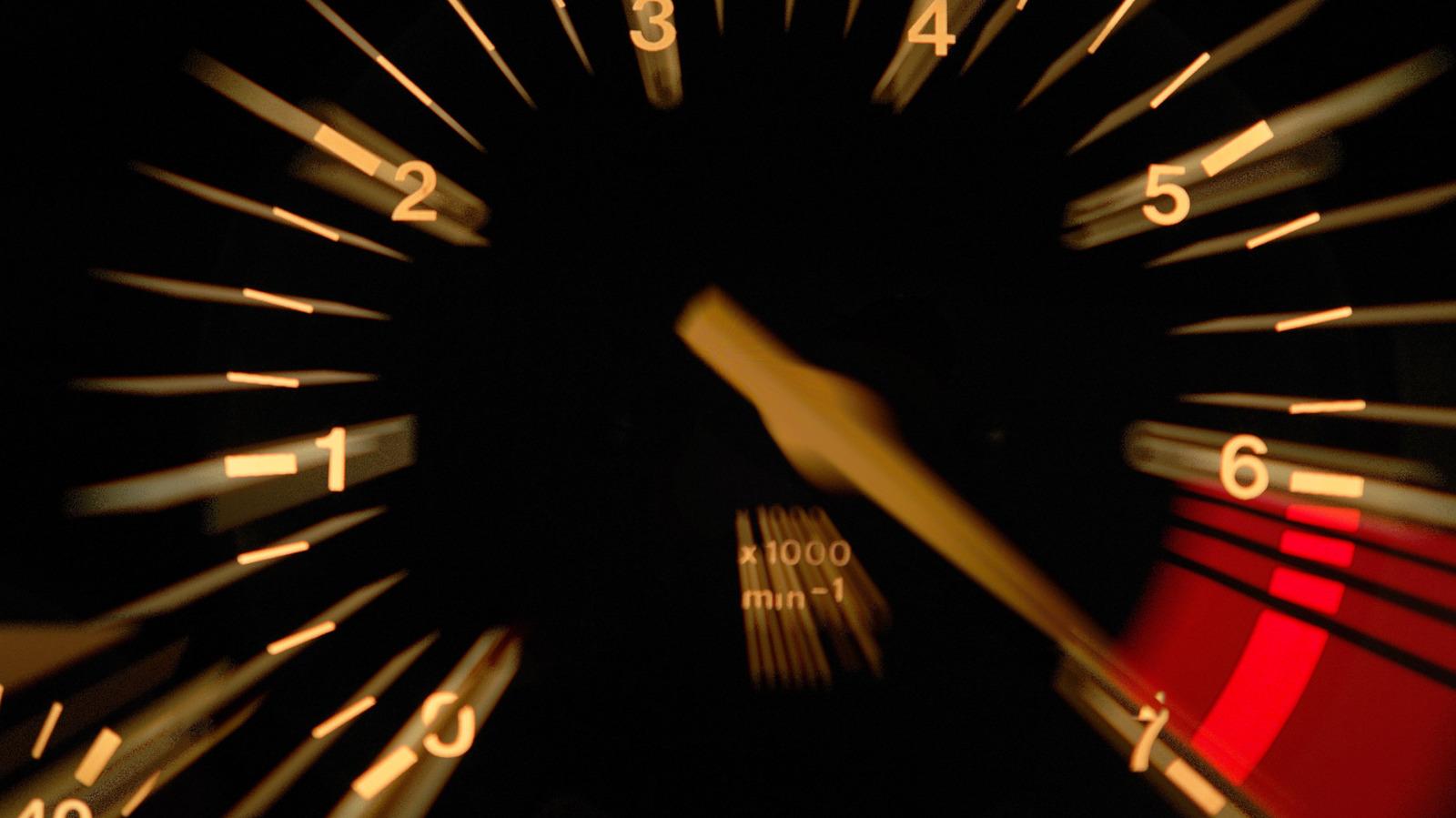
Florida Engine Rev Ban 2026: Is Your Supercar Now Illegal on the A1A?
Image: Florida Engine Rev Ban 2026: Is Your Supercar Now Illegal on the A1A? – Performance and Specifications
- Advertisement -
Imagine cruising down Ocean Drive in a 2026 Lamborghini Temerario, the engine purring with mechanical perfection. You give it a slight rev to appreciate the engineering, and suddenly, blue lights appear in your rearview mirror. This isn’t a scene from a movie; it is the new reality in the Sunshine State. Florida has officially moved forward with a controversial ban on ‘loud and unnecessary’ engine revs, leaving enthusiasts wondering if the car culture in Miami and Orlando is under siege. With fines starting as low as $150 and scaling up to $500 for repeat offenders, the cost of a ‘cold start’ has never been higher.
The Legislative Breakdown: Senate Bill 1530 and Beyond
Originally introduced to combat the rising tide of ‘street takeovers’ and excessive noise pollution in residential zones, the legislation (which gained momentum through the Senate and Governor Ron DeSantis’s office) has reached full enforcement capability in 2026. The law targets any motor vehicle exhaust system that has been modified to amplify noise or any operator who ‘revs’ their engine in a manner that is ‘plainly audible’ at a distance of 25 feet or more in certain noise-sensitive zones.
- Advertisement -
Design and Engineering: How Modern Cars are Responding
Automakers like Porsche and Chevrolet have anticipated these shifts. The 2026 Corvette Z06, for instance, now features a highly sophisticated ‘Stealth Mode’ within its Active Valve Exhaust system. This technology uses electronically controlled flaps to route exhaust gases through additional muffling chambers. While this keeps the car compliant with Florida’s 2026 standards, many enthusiasts complain that it ‘neuters’ the visceral experience of a high-performance V8 or flat-plane crank engine.
| State/Jurisdiction | Legislation Name | Primary Target | Max Fine (2026) |
|---|---|---|---|
| Florida | SB 1530 / HB 1441 | Unnecessary Revving/Modified Exhausts | $500 |
| California | AB 1824 | Exhaust Noise over 95 dB | $1,000 (Correctible) |
| New York | SLEEP Act | Illegal Muffler Modifications | $1,000 |
Technical Specifications: What Constitutes ‘Too Loud’?
The technical threshold for enforcement is where the controversy lies. Unlike California, which uses a strict 95-decibel (dB) limit measured by a standardized SAE J1492 test, Florida’s 2026 enforcement relies heavily on the ‘Plainly Audible’ standard. This subjective measurement allows officers to issue citations if they can hear the engine revving from a specific distance, regardless of the actual dB reading. However, most modern supercars in their ‘Track’ or ‘Sport’ settings easily exceed 100 dB.
Table 1: 2026 Model Noise Profile (Stock Exhaust)
| Vehicle Model (2026) | Idle Decibels | Max Rev Decibels (Sport Mode) | Florida Compliance Status |
|---|---|---|---|
| Porsche 911 GT3 (992.2) | 74 dB | 102 dB | High Risk |
| Chevrolet Corvette Z06 | 72 dB | 98 dB | Moderate Risk |
| Lamborghini Temerario | 78 dB | 105 dB | High Risk |
| Tesla Model S Plaid | 0 dB | 0 dB | Fully Compliant |
Interior Tech: Noise Cancellation vs. Real Engine Sound
To combat the noise restrictions without sacrificing the driver experience, 2026 performance models are increasingly relying on ‘Active Sound Enhancement’ (ASE). This tech uses the car’s internal audio system to pump simulated engine notes into the cabin while the external exhaust remains quiet. While purists loathe the ‘fake’ sound, it remains the only way to enjoy a high-RPM soundtrack without attracting the attention of Florida Highway Patrol.
- Advertisement -
Safety and NCAP Ratings: The Unintended Consequences
While noise bans don’t directly affect crash test ratings, safety experts at NCAP have noted that ‘silent’ performance cars pose a higher risk to pedestrians in urban environments. The 2026 Florida law includes provisions for ‘Acoustic Vehicle Alerting Systems’ (AVAS) for EVs, but high-performance internal combustion engine (ICE) cars are being forced into a similar quiet profile, potentially reducing their ‘audible footprint’ for distracted walkers.
Table 2: Estimated Costs for Compliance and Fines
| Violation/Service | Estimated Cost (Florida 2026) | Impact on Warranty |
|---|---|---|
| First Offense Citation | $150 – $250 | None |
| Repeat Offender Fine | $500 + Court Costs | None |
| Aftermarket Baffle Installation | $400 – $1,200 | May Void Exhaust Warranty |
| Stock Exhaust Restoration | $1,500 – $5,000 | Restores Warranty |
People Also Ask (FAQ)
- Is engine revving illegal in Florida in 2026? Yes, if it is deemed unnecessary and is plainly audible at a distance of 25 feet or more.
- What is the fine for a loud exhaust in Florida? Fines typically range from $150 to $500 depending on the county and number of offenses.
- Can police impound my car for a loud exhaust? Under the 2026 guidelines, impoundment is rare but can occur during ‘street takeover’ events.
- Does the ban apply to stock exhausts? Technically yes, if the operation (revving) is considered unnecessary in a noise-sensitive zone.
- How do I make my car quieter for Florida laws? Many owners are installing active valve controllers or aftermarket baffles.
- Are motorcycles exempt from the noise ban? No, motorcycles must follow the same ‘plainly audible’ standards as cars.
- Is there a specific decibel limit in Florida? While there are general limits, the ’25-foot plainly audible’ rule is the primary enforcement tool.
- Can I fight a noise ticket in Florida? Yes, you can challenge the subjectivity of the ‘plainly audible’ claim in traffic court.
- Does the law affect classic cars? There are some exemptions for vintage vehicles, but they are not entirely immune to noise complaints.
- Is Miami stricter than other cities? Yes, Miami and Miami Beach have implemented additional local ordinances to support the state ban.
Verdict: Should You Be Worried?
If you are a performance car enthusiast living in Florida, the 2026 landscape is undeniably more challenging. The ban on ‘unnecessary’ revs is a subjective tool that gives law enforcement broad power. However, for those who keep their high-revving antics to the track or rural roads, the impact may be minimal.
Pros:
– Reduced noise pollution in residential areas.
– Cracks down on dangerous street takeovers.
– Encourages innovation in exhaust valve technology.
- Advertisement -
Cons:
– Highly subjective enforcement (Plainly Audible rule).
– Potentially targets stock supercars with high-performance engines.
– Increases the cost of ownership through potential fines.