The High-Stakes Battle Over Formula 1 Race Starts: Why Ferrari is Saying No
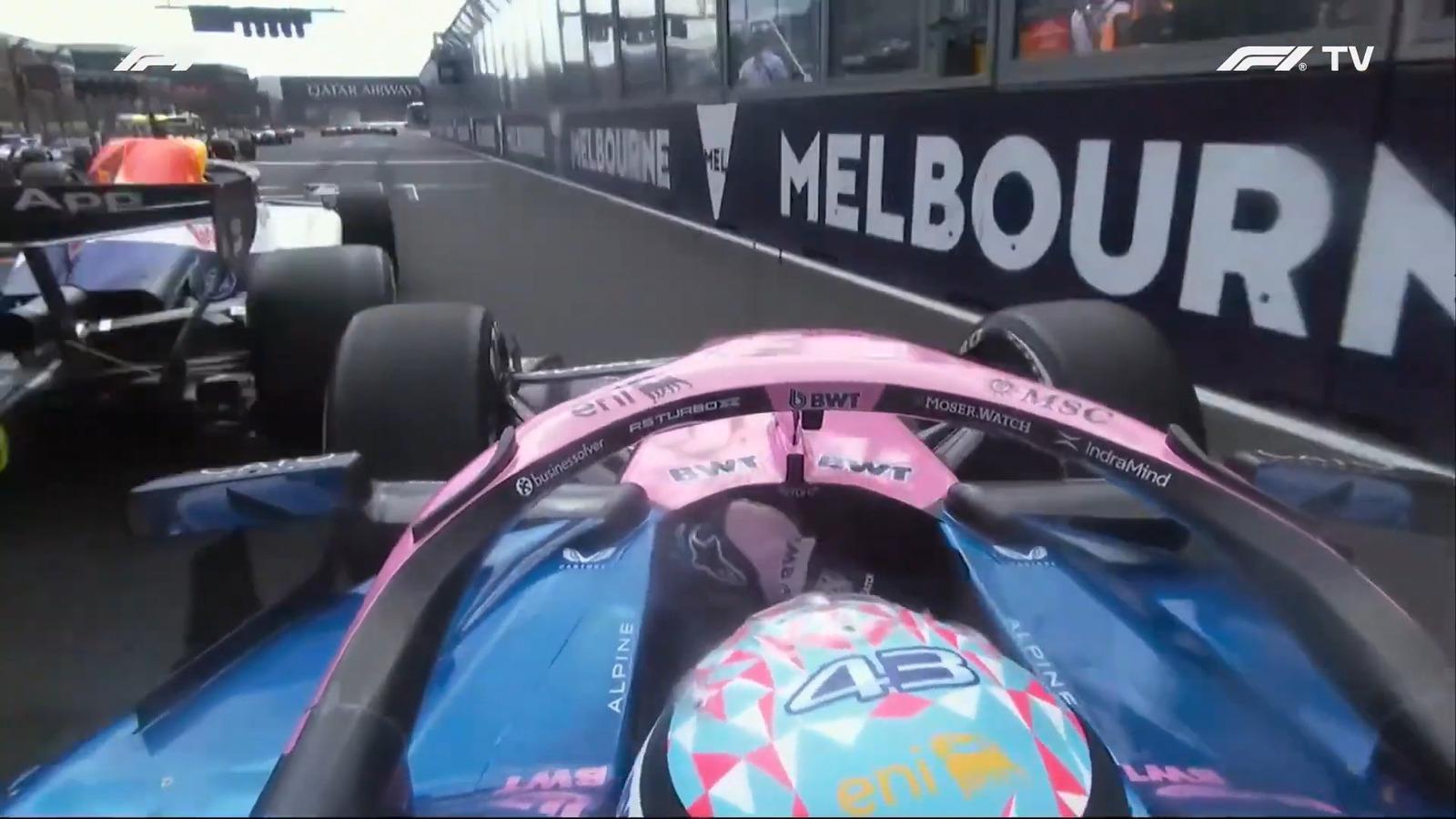
Ferrari Blocks F1 Safety Overhaul: The 2026 Standing Start Controversy Explained
Image: Ferrari Blocks F1 Safety Overhaul: The 2026 Standing Start Controversy Explained – Performance and Specifications
- Advertisement -
As Formula 1 hurtles toward its massive 2026 regulatory overhaul, a new friction point has emerged between driver safety and competitive advantage. While the Grand Prix Drivers’ Association (GPDA) has raised concerns about the inherent risks of standing starts—especially in wet conditions or high-speed grid layouts—Ferrari has reportedly put its foot down. With a 2026 Power Unit development cycle costing manufacturers upwards of $95 million, the Scuderia isn’t willing to sacrifice its launch-map dominance for the sake of standardized safety protocols.
The Hook: The Price of Performance in 2026
In the world of F1, every millisecond off the line is worth millions. While a standard 2026 F1 car build is estimated to cost approximately $15 million, the intellectual property behind the launch systems is priceless. Ferrari’s current advantage at the start line is a result of years of refinement in clutch engagement and torque delivery—a technical edge they are desperate to carry into the new era.
- Advertisement -
The Technical Shift: 2026 Power Units and Launch Torque
The 2026 regulations will see a significant shift in how F1 cars generate power. The removal of the MGU-H and the increased reliance on the MGU-K (bringing electrical output to 350kW) means that managing wheelspin at the start will become more difficult than ever. Drivers are worried that the massive surge of electric torque could lead to more stalls and high-speed rear-end collisions on the grid.
The Ferrari Advantage: Why the Scuderia is Resistant
Ferrari’s resistance isn’t just about tradition; it is about engineering. Recent data suggests that the Ferrari SF-24 has one of the most consistent ‘bite points’ on the grid. If F1 were to switch to rolling starts or standardized launch software to improve safety, Ferrari’s bespoke R&D in this area would be rendered useless. In China, where start-line grip is notoriously variable, Ferrari’s system has proven superior, allowing them to jump rivals like Mercedes and McLaren before the first turn.
Driver Concerns vs. Team Interests
Several drivers, including George Russell and Carlos Sainz, have hinted that the visibility issues in modern ‘ground effect’ cars make standing starts in the rain a recipe for disaster. However, with Ferrari leading the charge against changes, the FIA faces a deadlock. The teams argue that the ‘DNA of F1’ includes the standing start, while drivers argue that the 2026 cars—which will be narrower and feature active aerodynamics—present a new set of dangers.
- Advertisement -
| Feature | Current 2024/25 Specs | New 2026 Regulations | Safety Impact |
|---|---|---|---|
| Power Split | 80% ICE / 20% Electric | 50% ICE / 50% Electric | Higher low-end torque risks |
| Aero Type | Static Ground Effect | Active Aero (Movable Wings) | Less downforce at low speeds |
| Fuel | E10 Ethanol Blend | 100% Sustainable Fuel | Different engine mapping needs |
| MGU-H | Included | Removed | Simplified but harder to harvest |
Comparing the 2026 Power Unit Contenders
As we approach the 2026 season, the hierarchy of launch technology is being reshaped. Ferrari, Mercedes, and the new Red Bull-Ford partnership are all taking different approaches to the 50/50 power split.
| Manufacturer | Estimated PU Cost | Launch Philosophy | Projected Reliability |
|---|---|---|---|
| Ferrari | $95M (Cap Limit) | Aggressive Clutch Mapping | High |
| Mercedes-AMG | $95M (Cap Limit) | Electrical Harvesting Focus | Very High |
| Red Bull-Ford | $95M (Cap Limit) | Integrated E-Motor Efficiency | Moderate (New Entrant) |
Safety Tech: Could NCAP Style Ratings Work for F1?
While road cars use Euro NCAP ratings, F1 relies on FIA crash tests. For 2026, the roll hoop and side-impact structures are being strengthened. Drivers argue that while the cars are safer to crash, the ‘starting procedure’ itself hasn’t evolved. Ferrari’s veto power in technical regulations remains the biggest hurdle to adopting ‘safer’ rolling starts across all race conditions.
The Interior Tech: 2026 Steering Wheel Revamps
The tech inside the cockpit is also changing. For 2026, steering wheels will feature more tactile feedback for the 350kW MGU-K deployment. Ferrari has invested heavily in proprietary paddle-shift sensors that allow their drivers to find the ‘launch window’ more accurately than the competition. This tech is a closely guarded secret and a major reason why they refuse to support standardized starting procedures.
- Advertisement -
People Also Ask (FAQ)
1. Why does Ferrari not want safer F1 starts?
Ferrari believes that standing starts are a core part of F1’s DNA and that their specific technical advantage in launch systems provides a legitimate competitive edge they aren’t willing to surrender.
2. What are the 2026 F1 engine changes?
The 2026 engines will drop the MGU-H, increase electrical power to 50% (350kW), and run on 100% sustainable fuels.
3. Are standing starts more dangerous than rolling starts?
In low visibility or wet conditions, standing starts are riskier because cars accelerate from 0 to 200km/h in a pack, making stationary or stalled cars ‘sitting ducks’ for drivers behind.
- Advertisement -
4. How much does a 2026 F1 car cost?
While prices vary, a 2026-spec car is estimated to cost around $15 million per chassis, with development costs capped under FIA financial regulations.
5. What is the GPDA’s stance on race starts?
The GPDA (Grand Prix Drivers’ Association) advocates for more flexibility, such as switching to rolling starts during heavy rain to prevent accidents caused by ‘rooster tail’ spray visibility issues.
6. Which team has the best start in F1 currently?
Ferrari and Red Bull are currently viewed as having the most sophisticated launch software and clutch setups on the grid.
- Advertisement -
7. Will F1 2026 cars be faster?
They will have more electrical power but less overall downforce in high-speed corners due to the new active aero, likely leading to similar or slightly slower lap times initially.
8. Can the FIA force a rule change for safety?
Yes, the FIA can bypass team consensus on the grounds of ‘safety,’ but this often leads to political legal battles with teams like Ferrari who hold historical veto rights.
9. What is the budget cap for F1 teams in 2026?
The baseline budget cap is expected to remain around $140-145 million, though certain costs like driver salaries and marketing are excluded.
- Advertisement -
10. Is China the only track where start advantage matters?
No, but China’s long run to Turn 1 makes the start-line performance critical, highlighting why Ferrari is protective of their launch technology there.
Verdict: Should F1 Change the Rules?
The conflict between Ferrari and the advocates for safer starts represents the eternal struggle of Formula 1: Sport vs. Show vs. Safety.
Pros of Ferrari’s Stance:
- Advertisement -
- Maintains the ‘Pure Racing’ aspect of F1.
- Rewards technical excellence in engineering.
- Keeps the excitement of the standing start for fans.
Cons of Ferrari’s Stance:
- Increases the risk of high-speed pile-ups.
- Ignores driver concerns regarding visibility.
- Could lead to boring races if one team dominates the launch every week.
Final Verdict: While Ferrari’s technical prowess is admirable, the FIA must prioritize driver safety in extreme conditions. A compromise—using rolling starts only in poor visibility—is the most logical path forward for 2026.
- Advertisement -