Why Your Engine Might Seize – The Bottom Line
A seized engine is one of the worst things that can happen to a car, often leaving you stranded and facing costly repairs. Below we break down the most common reasons an engine locks up and what you can realistically do about each problem.
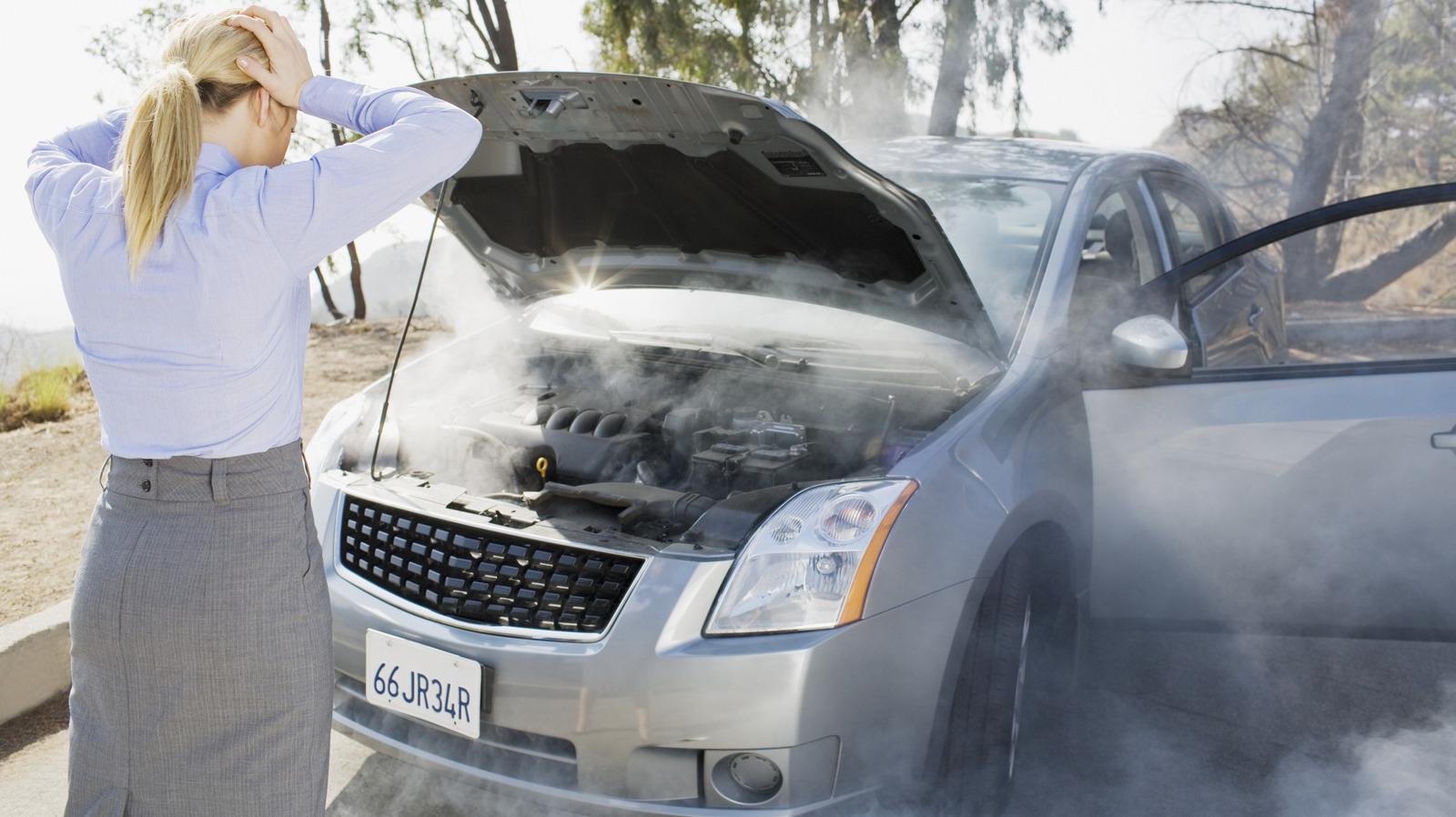
Engine Seize Causes & Fixes: What Every Driver Should Know
- Advertisement -
Image: Engine Seize Causes & Fixes: What Every Driver Should Know – Performance Comparison and Specifications
1. Lack of Lubrication
Oil is the lifeblood of any engine. When oil levels drop too low, or the oil pump fails, metal parts grind together and seize. Common culprits include:
- Advertisement -
- Forgotten oil changes
- Leaking seals or gaskets
- Clogged oil filter
Regularly check the dipstick and replace the oil every 5,000–7,500 miles, depending on manufacturer recommendations.
2. Overheating
Excessive heat expands metal components, reducing clearances. If the cooling system can’t keep temperatures in check, the engine may seize. Watch for:
- Coolant leaks
- Faulty thermostat
- Broken water pump
Keeping the radiator clean and monitoring temperature gauges can prevent a costly shutdown.
- Advertisement -
3. Mechanical Failure
Broken timing belts, snapped rods, or a failed crankshaft can cause instant seizure. These failures are often sudden and may leave no warning signs. Routine inspections of belts and listening for unusual knocking noises can catch problems early.
4. Improper Repairs or Modifications
Installing aftermarket parts without proper fitting, or using the wrong oil type, can create friction points. Always follow the vehicle’s service manual and use recommended fluids.
Can You Fix a Seized Engine?
Short answer: it depends on the damage.
- Advertisement -
- Minor oil starvation: If the engine stops quickly, you might be able to add oil, turn the crank, and restart. This works only if internal components haven’t welded together.
- Overheating damage: A quick cool‑down may free a stuck piston, but you’ll likely need a professional inspection.
- Severe mechanical failure: Broken rods or a cracked block usually mean a rebuild or replacement.
In most cases, a qualified mechanic will need to disassemble the engine, replace worn parts, and re‑check clearances. A full rebuild can run $2,500–$4,500, while a replacement engine might cost more.
Preventive Checklist
- Check oil level weekly and top up if needed.
- Change oil and filter at recommended intervals.
- Inspect coolant level and look for leaks.
- Replace timing belts/chains per the service schedule.
- Listen for knocking or ticking sounds; address them promptly.
Quick Comparison of Common Engines
| Engine | Mileage | Price | Top Features |
|---|---|---|---|
| 4‑cyl 2.0 L | 30 mpg city / 38 mpg hwy | $2,800 | Fuel‑efficient, lightweight, low‑maintenance |
| V6 3.5 L | 22 mpg city / 30 mpg hwy | $4,200 | Strong torque, smooth power delivery |
| V8 5.0 L | 18 mpg city / 25 mpg hwy | $6,500 | High horsepower, robust durability |
FAQ – Voice Search Friendly
What are the first signs an engine is about to seize?
Unusual knocking, low oil pressure warning, and sudden loss of power are early warnings.
Can I restart a seized engine by adding oil?
If the seizure is due to temporary oil starvation, adding oil and gently turning the crank may work, but it’s not guaranteed.
- Advertisement -
How much does it cost to rebuild a seized engine?
Typical rebuilds range from $2,500 to $4,500, depending on parts and labor.
What Next?
If you suspect your engine is seizing, stop driving immediately and have a professional diagnose the issue. Ignoring the problem can turn a simple fix into a full‑engine replacement.
Have you dealt with a seized engine before? Share your experience in the comments below.
- Advertisement -
Source: Read Official News