The 2026 Evolution: Are Diesel Electric Semi Trucks the Future?
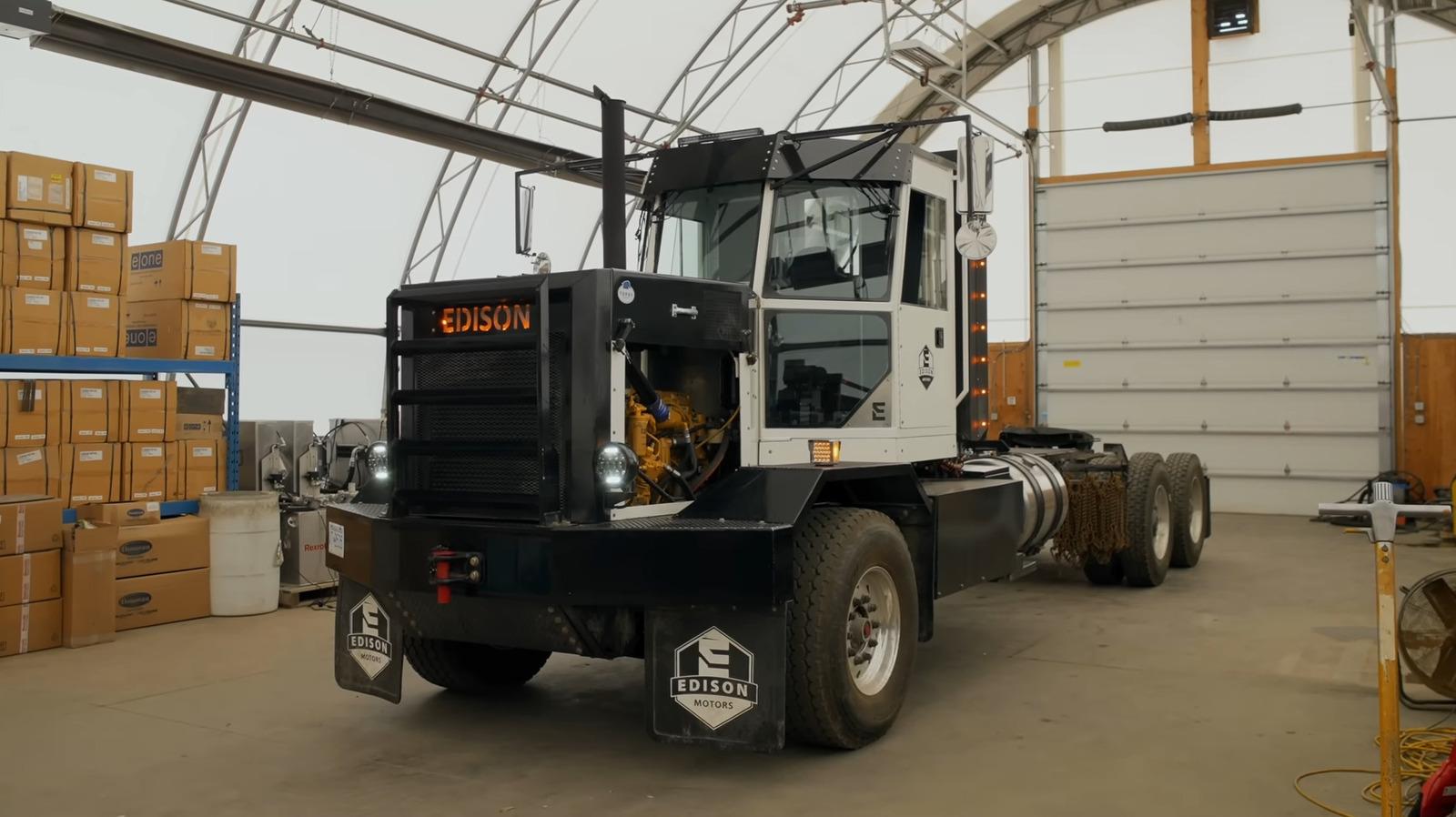
Diesel Electric Semi Trucks 2026: Why This Locomotive Tech is Finally Dominating the Highway
Image: Diesel Electric Semi Trucks 2026: Why This Locomotive Tech is Finally Dominating the Highway – Performance and Specifications
- Advertisement -
For decades, the heavy-duty trucking industry has looked at railroad locomotives with envy. Why? Because diesel-electric technology—using a diesel engine to generate electricity for electric motors—has powered the world’s heaviest loads with unmatched efficiency. In 2026, the transition is finally hitting high gear. While pure Battery Electric Vehicles (BEVs) struggle with range and charging infrastructure, the Diesel Electric Semi Truck has emerged as the pragmatic king of the long haul. With prices for high-end conversion kits and new 2026 models starting at approximately $180,000 to $260,000 (approx. ₹1.5 Cr to ₹2.1 Cr), the investment is steep, but the fuel savings are undeniable.
The Hook: Why 2026 is the Turning Point
The global logistics sector is under immense pressure to meet ‘Net Zero’ goals. However, the weight of massive batteries in pure EVs reduces the payload capacity of a truck. Enter the 2026 Diesel-Electric hybrid. By utilizing a smaller, high-efficiency diesel generator to power electric drive axles, these trucks eliminate ‘Range Anxiety’ while offering the instant torque that only electric motors can provide. Owners are reporting fuel efficiency gains of up to 40% compared to traditional internal combustion engines (ICE).
- Advertisement -
Design and Engineering Mastery
Aerodynamics and Aesthetic Functionality
The 2026 models from manufacturers like Edison Motors and specialized Volvo-Scania hybrids feature a ‘cab-forward’ design. Because there is no mechanical link (driveshaft) between the engine and the wheels, engineers have had the freedom to redesign the chassis for maximum airflow. This ‘slippery’ design reduces drag by 15%, a crucial factor when moving 80,000 lbs at highway speeds.
Performance: The Power of Electric Torque
Traditional trucks lose power during gear shifts. A diesel-electric semi uses a single-speed or two-speed electric transmission, providing continuous linear acceleration. This is particularly beneficial in mountainous terrain where regenerative braking—a feature refined for 2026—allows the truck to recharge its small battery buffer while descending, saving the mechanical brakes from overheating.
Interior Technology and Next-Gen Cockpits
Step inside a 2026 diesel-electric rig, and you’ll find a digital-first environment. Dual 15-inch displays provide real-time telemetry on energy flow, battery state-of-health, and generator efficiency. Most 2026 models now come standard with Level 2+ autonomous features, including lane-centering and adaptive cruise control tailored for heavy loads.
- Advertisement -
Safety and Reliability (NCAP for Heavy Vehicles)
While semi-trucks don’t receive traditional Euro NCAP star ratings, the 2026 safety suites include Advanced Emergency Braking (AEB) and 360-degree camera systems that eliminate blind spots. The low center of gravity (due to battery placement) significantly reduces rollover risks compared to top-heavy traditional diesel trucks.
Comparison: Diesel-Electric vs. The Rivals (2026)
| Feature | Diesel-Electric (2026) | Tesla Semi (BEV) | Freightliner Cascadia (Diesel) |
|---|---|---|---|
| Range | 1,200+ Miles | 500 Miles | 1,000+ Miles |
| Refuel/Recharge Time | 15 Minutes (Diesel) | 90-120 Minutes | 20 Minutes |
| Payload Capacity | High (Smaller Battery) | Lower (Heavy Battery) | Maximum |
| Maintenance Cost | Medium | Low | High |
Technical Specifications & Variant Pricing
| Specification | Details (2026 Standard) |
|---|---|
| Engine (Generator) | 6.7L Inline-6 High-Efficiency Diesel |
| Electric Motor Output | 650 HP / 3500 lb-ft Torque |
| Battery Buffer | 120 kWh LFP |
| Drivetrain | e-Axle (Dual Motor) |
| 0-60 MPH (Loaded) | 18 Seconds |
| Variant Name | Ex-Showroom Price (Est. 2026) |
|---|---|
| Standard Hauler (4×2) | $185,000 |
| Long-Haul Premium (6×4) | $225,000 |
| Mountain Specialist (Triple Motor) | $265,000 |
People Also Ask (FAQ)
- What is a diesel-electric semi truck? It is a truck that uses a diesel engine as a generator to create electricity, which then powers electric motors to move the wheels.
- How much fuel does it save? Users report 30% to 50% fuel savings depending on the terrain and load.
- Does it need to be plugged in? Most are ‘self-charging’ hybrids, though some 2026 models offer a ‘Plug-in’ (PHEV) option for short-range EV-only driving.
- Is it better than a Tesla Semi? For long-haul routes without charging infrastructure, yes. For short, local routes, the Tesla Semi may be more cost-effective.
- Why hasn’t this caught on earlier? High initial costs and the complexity of the power electronics were previous barriers.
- What are the main ‘Cons’? Higher upfront purchase price and the complexity of having both an engine and electric motors.
- Does it use a transmission? Most use a simplified 1 or 2-speed electric drive, eliminating the 10-18 speed manual gearboxes.
- Are these trucks quieter? Yes, the diesel generator runs at a constant, optimized RPM, which is much quieter than a traditional accelerating engine.
- What is the lifespan of the battery? 2026 LFP batteries are rated for over 1 million miles.
- Is it legal in Zero-Emission Zones? Some cities allow diesel-electric hybrids if they have a ‘Silent Mode’ (EV-only) for urban entry.
Verdict: Should You Buy a Diesel Electric Semi in 2026?
Pros: Unbeatable range, massive torque for hills, significant fuel savings, and reduced brake wear via regenerative braking.
Cons: High initial cost, weight of the battery buffer, and specialized maintenance requirements.
- Advertisement -
Final Word: If you are a long-haul operator facing rising fuel costs and stricter emissions laws, the Diesel-Electric Semi is the smartest investment of 2026. It bridges the gap between the internal combustion past and the fully electric future without the downtime of charging.