Can You Remove Your Car’s Window Tint Yourself?
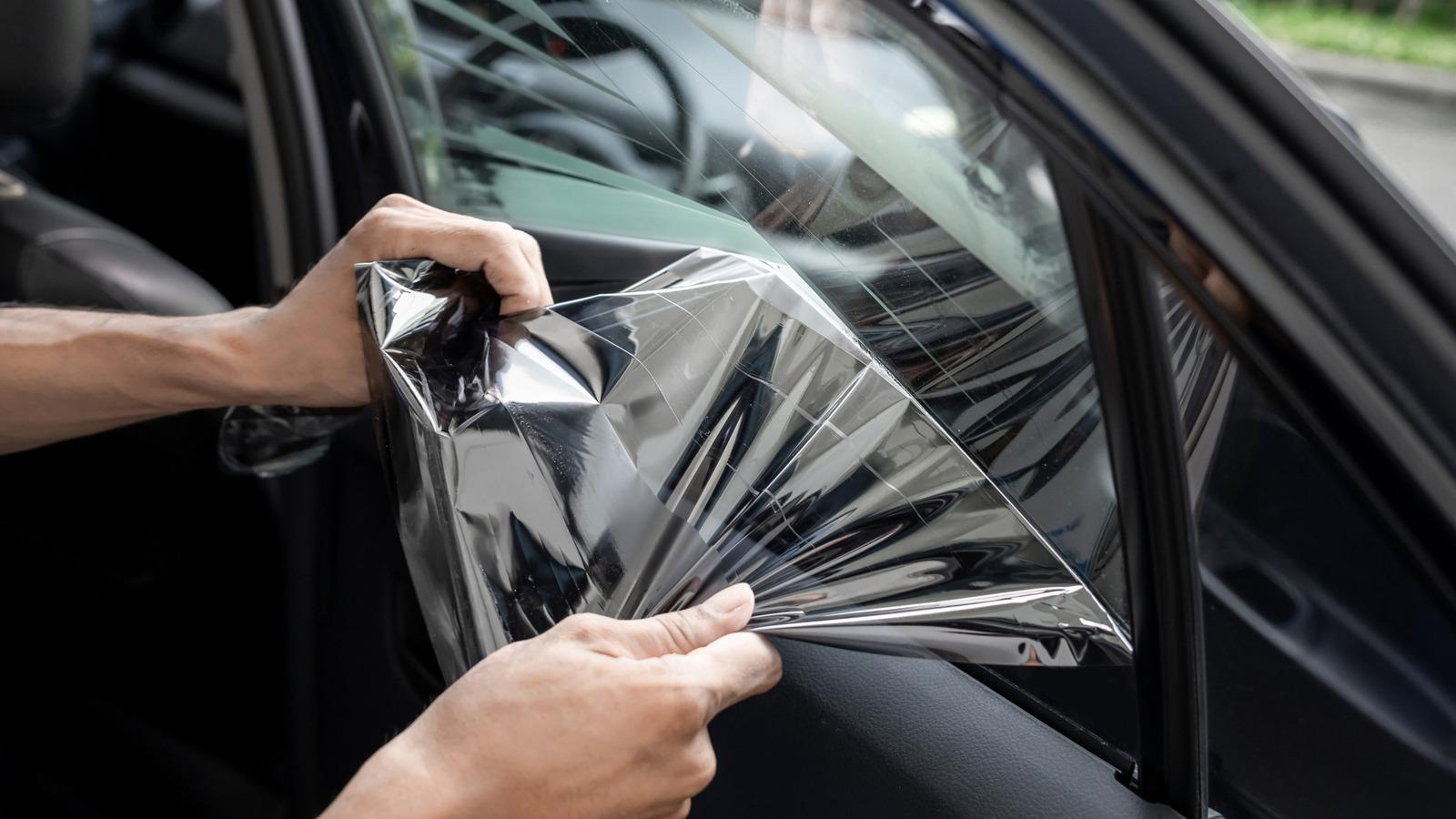
Can You Remove Your Car’s Window Tint Yourself? A DIY Guide & What to Know
Image: Can You Remove Your Car’s Window Tint Yourself? A DIY Guide & What to Know – Performance Comparison and Specifications
Advertisement
Window tint adds a sleek, private look to many vehicles – from a 2022 BMW 3 Series cruising the city streets to a rugged Ford F‑150 tackling off‑road trails. But when the film ages, bubbles, or you simply want a fresh look, the big question pops up: Can you remove it on your own? In this guide we’ll walk through the legal side, the tools you need, step‑by‑step removal, and when it’s smarter to call a professional. All of it is written in a conversational tone so you’ll feel like you’re chatting with a fellow car enthusiast.
Understanding Window Tint Basics
Why People Tint Their Windows
Most drivers choose tint for three reasons: privacy, UV protection, and a cooler cabin. A turbo‑petrol engine can generate a lot of heat, and a good tint helps keep the interior temperature down, reducing A/C load. It also blocks up to 99% of harmful UV rays, which protects both your skin and your upholstery.
Advertisement
Types of Tint Films
There are three main categories:
- Dyed film – affordable, offers a dark look but fades over time.
- Metalized film – reflects heat well but can interfere with GPS or ADAS sensors.
- Ceramic film – pricier, but provides superior heat rejection without signal disruption.
Legal Considerations & Safety
Before you even pick up a razor blade, check your state’s tint laws. For example, California allows a maximum of 70% VLT (Visible Light Transmission) on front side windows, while Texas permits 25% on the rear. Violating these rules can lead to fines and may cause your ADAS (Advanced Driver Assistance Systems) cameras to misread the road.
Removing tint improperly can also leave adhesive residue that obscures vision or interferes with driver‑assist sensors. That’s why a careful approach matters.
Advertisement
Do‑It‑Yourself Removal: Tools & Step‑by‑Step Process
Essential Tools
| Tool | Purpose | Typical Cost |
|---|---|---|
| Heat gun or hair dryer | Softens adhesive | $20‑$40 |
| Utility knife or razor blade | Peels film | $5‑$10 |
| Adhesive remover (e.g., Goo Gone) | Clears residue | $8‑$12 |
| Microfiber cloths | Final cleaning | $3‑$8 |
Step‑by‑Step Guide
- Park in the shade and let the windows cool. A hot surface makes the film cling tighter.
- Using a heat gun, warm a 2‑inch section of the tint for about 30 seconds. The heat should be gentle – you don’t want to melt the glass.
- Slide the razor blade under the edge and gently lift. If the film tears, re‑heat the spot.
- Pull the film slowly, maintaining heat as you go. Patience is key; rushing can break the film and leave stubborn bits.
- After the film is off, spray adhesive remover on the glass, let it sit for a minute, then wipe with a microfiber cloth.
- Finish with a glass cleaner to eliminate any streaks – this is crucial for clear ADAS camera view.
Most owners finish the job in 45‑90 minutes per window, depending on experience.
Common Pitfalls to Avoid
- Using a scorching heat gun – it can crack tempered glass.
- Skipping the residue step – leftover glue can attract dust and reduce visibility.
- Neglecting sensor calibration – after removal, check that lane‑keep assist and adaptive cruise control still function.
When to Call a Professional
If your car is equipped with advanced driver‑assist sensors, such as the Mercedes‑Benz EQC or the Tesla Model Y, professional removal is often the safest bet. Technicians have specialized heat plates that evenly distribute temperature, minimizing the risk to electronic components. Additionally, they can re‑tint the windows with a film that meets legal VLT requirements and ensures a bubble‑free finish.
Cost Implications & Pricing Overview
DIY removal can save you anywhere from $100 to $300 per vehicle, but remember to factor in the price of tools and your time. Below is a quick comparison of typical costs for popular models.
Advertisement
| Model | DIY Removal Cost | Professional Removal Cost | Re‑tint (Premium Ceramic) |
|---|---|---|---|
| 2022 BMW 3 Series | $120 | $250 | $350 |
| 2023 Ford Mustang | $110 | $230 | $320 |
| 2022 Tesla Model 3 | $130 | $280 | $380 |
| 2023 Subaru Outback | $115 | $240 | $340 |
Design & Dimensions
| Vehicle | Window Area (sq ft) | Standard Tint Thickness | Recommended VLT |
|---|---|---|---|
| BMW 3 Series | 22 | 1.5 mil | 70% |
| Ford Mustang | 20 | 1.8 mil | 55% |
| Tesla Model 3 | 21 | 1.2 mil | 70% |
| Subaru Outback | 23 | 1.5 mil | 70% |
Feature Comparison
| Feature | Dyed | Metalized | Ceramic |
|---|---|---|---|
| Heat Rejection | 40% | 60% | 80% |
| Signal Interference | Low | High | None |
| Durability (years) | 2‑3 | 5‑7 | 8‑10 |
| Cost per sq ft | $4 | $6 | $9 |
Engine Specifications (Popular Tint‑Friendly Models)
| Model | Engine | Power | Torque |
|---|---|---|---|
| BMW 3 Series 330i | 2.0 L Turbo‑Petrol | 255 hp | 295 lb‑ft |
| Ford Mustang GT | 5.0 L V8 | 450 hp | 410 lb‑ft |
| Tesla Model 3 Long Range | Electric Dual‑Motor | 346 hp | 389 lb‑ft |
| Subaru Outback 2.5i | 2.5 L Boxer | 182 hp | 176 lb‑ft |
Price Comparison for Re‑tinting
| Brand | Dyed Film | Metalized Film | Ceramic Film |
|---|---|---|---|
| 3M | $300 | $460 | $720 |
| Llumar | $280 | $440 | $690 |
| Huper Optik | $350 | $520 | $800 |
| V-Kool | $320 | $480 | $750 |
Final Thoughts
Removing window tint yourself is entirely doable for most everyday cars, especially if you have a steady hand and the right heat source. The biggest advantages are cost savings and the satisfaction of a job well done. However, always double‑check local tint laws, protect any ADAS cameras, and be ready to pause and call a pro if the adhesive proves stubborn or if your vehicle relies heavily on sensor accuracy.
For a deeper dive into professional techniques, visit Autobytel’s guide on window tint removal. Whether you go DIY or hire a shop, a clear view and legal compliance are the ultimate rewards.
FAQ – Frequently Asked Questions
1. Can I remove tint from a car with a sunroof?
Yes, but you’ll need a smaller heat gun and extra caution to avoid damaging the sunroof seals.
Advertisement
2. Will removing tint affect my warranty?
Most manufacturers don’t consider tint removal a warranty issue, but altering ADAS sensors without recalibration could void related coverage.
3. How long does the DIY removal process take?
Typically 45‑90 minutes per window, depending on experience and the type of film.
4. Is it safe to use a razor blade on tempered glass?
Yes, as long as you use a fresh, sharp blade and avoid applying excessive pressure.
Advertisement
5. Can I reuse the old tint film?
Reusing is not recommended because the adhesive loses its bond strength after the first install.
6. Do I need to re‑calibrate ADAS after removal?
If the tint covered cameras or sensors, a quick calibration at a shop ensures lane‑keep and auto‑brake work correctly.
7. What’s the cheapest adhesive remover?
Isopropyl alcohol (70%) works well and costs less than specialized commercial removers.
Advertisement
8. Can I tint my windows after removal on the same day?
Yes, but the glass should be completely clean and dry; most installers need a few hours to ensure the surface is ready.
9. Are there any health risks when removing tint?
Older films may contain VOCs. Work in a well‑ventilated area or wear a mask to avoid inhaling fumes.
10. How often should I replace my window tint?
Most high‑quality films last 5‑10 years. If you notice bubbling, discoloration, or reduced heat rejection, it’s time for a new install.
Advertisement