The Future of Mobility: Why 2026 is the Year of the Air Taxi
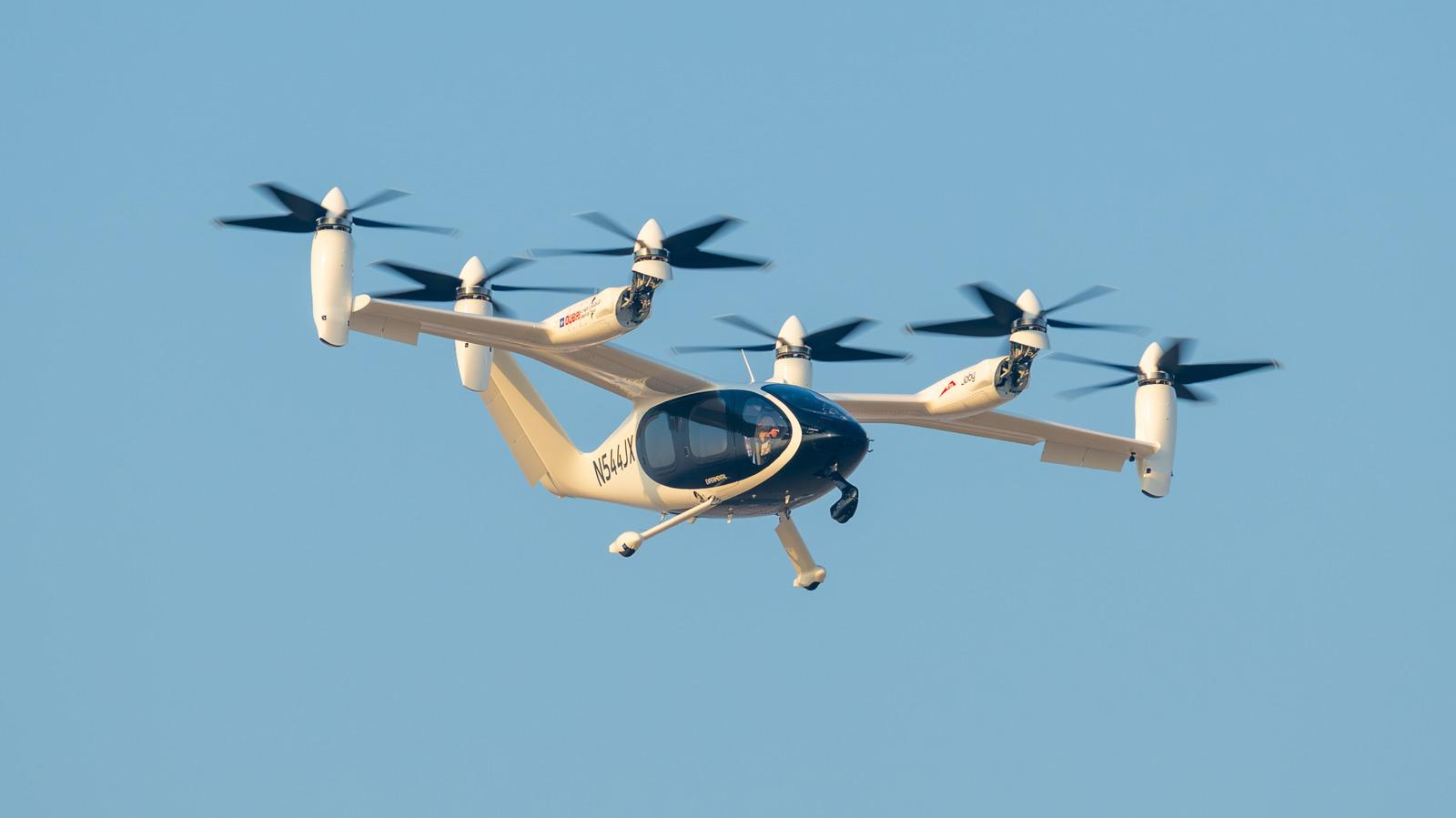
Air Taxis Arrive in 2026: FAA Greenlights 8 Major Test Programs – Is This the End of Traffic Jams?
Image: Air Taxis Arrive in 2026: FAA Greenlights 8 Major Test Programs – Is This the End of Traffic Jams? – Performance and Specifications
- Advertisement -
Imagine bypassing the gridlock of Bangalore or the 405 in Los Angeles by simply hopping into a silent, electric aircraft that picks you up from a rooftop. This isn’t science fiction—it is the reality for 2026. Following the landmark FAA approval of eight test programs across 26 states, the Advanced Air Mobility (AAM) sector has shifted from ‘if’ to ‘when.’ The initial ride pricing is expected to be competitive, with early estimates suggesting $3.00 to $6.00 per mile, making it a premium but accessible alternative to ground-based ride-sharing.
The Hook: Why the FAA Approval Changes Everything
While experimental flights have occurred for years, this massive expansion into 26 states signals that the infrastructure for vertiports and air traffic management is finally ready. However, even with the regulatory green light, industry experts warn of ‘turbulence’ regarding battery density and public noise concerns. Here is the deep dive into what you can expect from the leading models like the Joby S4 and Archer Midnight as they prepare for a 2026 commercial debut.
- Advertisement -
Design and Aesthetics: The eVTOL Revolution
The design of 2026 air taxis centers on eVTOL (electric Vertical Take-Off and Landing) technology. Unlike helicopters, these vehicles use multiple small rotors. This ‘distributed electric propulsion’ makes them exponentially quieter and safer. The Joby S4 features a sleek, aerodynamic carbon-fiber fuselage with six tilting proprotors, while the Archer Midnight opts for a high-wing configuration designed for rapid ‘back-to-back’ short trips.
Interior Tech: A First-Class Digital Experience
Inside, the 2026 models are designed for the digital native. Expect panoramic glass cockpits, noise-canceling cabin materials, and integrated 5G connectivity. The seating is typically a 1+4 configuration (one pilot, four passengers), featuring ergonomic vegan leather seats and individual climate zones. Passengers can book seats, check-in, and monitor flight paths via a dedicated app, much like Uber or Lyft today.
Performance: Speeding Through the Skies
Performance in the air taxi world is measured by ‘turnaround time’ and ‘acoustic footprint.’ Most 2026 models are targeting a top speed of 200 mph (322 km/h). This reduces a 60-minute commute to a mere 10-minute hop. The range is currently optimized for urban and suburban missions, typically hovering around 100 miles on a single charge to maintain battery longevity.
- Advertisement -
Safety: Beyond the NCAP Ratings
While cars rely on NCAP crash tests, air taxis must meet ’10^-9′ safety standards—the same level of safety required for commercial airliners (one failure in a billion flight hours). The FAA’s new test programs are focusing on ‘fly-by-wire’ systems that eliminate mechanical linkages, ensuring that even if several rotors fail, the aircraft can land safely. There are no ‘stars’ here; there is only ‘certified’ or ‘grounded.’
The Comparison: Joby S4 vs. Archer Midnight (2026 Specs)
| Feature | Joby Aviation S4 | Archer Midnight |
|---|---|---|
| Max Speed | 200 mph | 150 mph |
| Max Range | 100 miles | 100 miles (Optimized for 20-mile legs) |
| Noise Level | 45 dBA (Near silent) | 45 dBA (Near silent) |
| Propulsion | 6 Tilting Rotors | 12 Small Rotors |
Data Visualization: Technical Specifications
| Specification | 2026 Industry Standard |
|---|---|
| Battery Chemistry | High-Nickel Lithium-Ion |
| Charging Time | 10-15 mins (for 20-mile hop) |
| Altitude | 1,000 – 5,000 feet |
| Carbon Footprint | Zero Operating Emissions |
Estimated Pricing for 2026 Operations
| Service Tier | Estimated Price (Ex-Showroom/Unit) | Price Per Passenger Mile |
|---|---|---|
| Standard Urban Commute | $5,000,000 (Vehicle Cost) | $3.30 – $4.50 |
| Premium/Private Charter | N/A | $9.00 – $12.00 |
| Airport Shuttle Service | N/A | Flat Rate $70 – $100 |
People Also Ask (FAQ)
- When will air taxis be available for the public? Commercial operations are targeted to begin in late 2025 or early 2026 in select cities like New York, LA, and Dubai.
- How much does an air taxi ride cost? Prices are expected to start at approximately $3 to $6 per mile, similar to an Uber Black ride.
- Are air taxis safer than helicopters? Yes, they use multiple electric motors (redundancy) and have much lower noise and vibration levels.
- Do I need a pilot’s license to fly one? For now, all 2026 commercial flights will be operated by certified commercial pilots.
- Can air taxis fly in the rain? They are certified for most weather conditions but may be grounded during severe storms or high winds.
- How many passengers can fit? Most current models like Joby and Archer accommodate 4 passengers and 1 pilot.
- Which states are part of the FAA test program? 26 states are involved, including California, Texas, Florida, and New York.
- Where do air taxis land? They land at ‘vertiports’—specially designed pads on rooftops or existing parking structures.
- Are air taxis fully electric? Yes, the majority of the 2026 fleet uses 100% electric propulsion with zero operating emissions.
- Can I buy an air taxi for personal use? While focus is on ride-sharing, companies like Jetson are offering personal eVTOLs for approximately $98,000.
Verdict: Should You Wait for the Air Taxi Revolution?
The transition to air mobility is no longer a matter of ‘fantasy.’ If you are a high-frequency urban commuter, the 2026 launch will be a game-changer for your productivity. However, the ‘turbulence’ mentioned by the FAA refers to the initial limited availability of vertiports. Initially, this will be a luxury for specific routes (like Airport-to-Downtown).
- Advertisement -
Pros:
- Zero emissions and silent operation.
- Massive time savings (Up to 80% reduction in commute time).
- High safety redundancy compared to traditional helicopters.
Cons:
- Initial high cost per mile for passengers.
- Limited landing infrastructure in suburban areas.
- Weather-dependent reliability in early stages.
- Advertisement -