The Global Electric Charge: India-Made Suzuki eVitara Arrives in Brazil
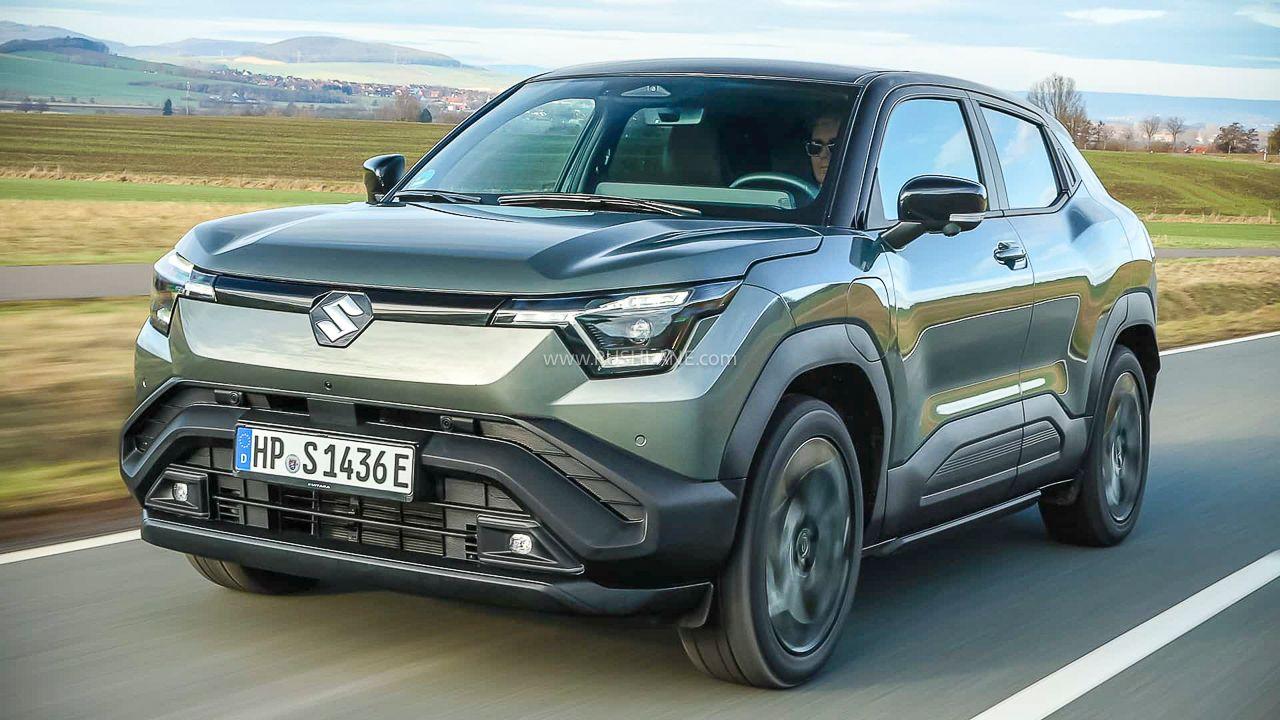
2026 Suzuki eVitara Launched: India-Made EV Hits Brazil at R$ 269,990—Better Than Volvo EX30?
Image: 2026 Suzuki eVitara Launched: India-Made EV Hits Brazil at R$ 269,990—Better Than Volvo EX30? – Performance and Specifications
Advertisement
In a landmark moment for Indian automotive manufacturing, the highly anticipated 2026 Suzuki eVitara has officially made its debut in the Brazilian market. Priced at R$ 269,990 (approximately Rs 48 Lakh), this all-electric SUV is not just a vehicle; it is a statement of intent from Suzuki. Manufactured at Maruti Suzuki’s Hansalpur plant in Gujarat, the eVitara represents the pinnacle of the ‘Make in India, For the World’ initiative.
However, the pricing strategy has raised eyebrows across the industry. Entering the market at nearly R$ 270k, the eVitara finds itself positioned directly against the luxury-oriented Volvo EX30. Interestingly, the entry-level single-motor Volvo EX30 starts at a more aggressive R$ 239,950, placing the Suzuki at a significant R$ 30,000 premium. Does the Suzuki badge offer enough value to outshine the Swedish minimalist charm? Let’s dive deep into the 2026 updates.
Advertisement
Design and Aesthetics: Rugged Meets Futuristic
The 2026 Suzuki eVitara retains the ‘Emotional Versatile Cruiser’ philosophy. It stands out with a muscular stance, characterized by thick wheel arches, a high hood line, and distinct LED lighting signatures. Unlike many EVs that opt for a hyper-aerodynamic, ‘soap-bar’ look, the eVitara stays true to its SUV roots, offering a rugged silhouette that appeals to those transitioning from traditional ICE vehicles.
Aerodynamics and Exterior Features
Suzuki has integrated several aero-efficient elements, including flush door handles and specially designed alloy wheels to minimize drag. The 2026 model specifically sees an update in the front grille texture and new ‘Beyond Graphite’ color options which have become a favorite in early consumer previews.
Performance, Battery, and e-AllGrip Technology
The heart of the eVitara is the Heartect-e platform, specifically engineered for electric propulsion. In Brazil, the high-spec variant features a 61 kWh battery pack paired with the innovative e-AllGrip 4WD system. This system utilizes two independent e-axles to provide precise torque vectoring, ensuring the eVitara can handle light off-roading and slippery urban conditions with ease.
Advertisement
Battery and Charging Performance
The 61 kWh battery provides a range of approximately 400-450 km (WLTP cycle), making it a competitive long-distance cruiser. On a 150kW DC fast charger, the eVitara can juice up from 10% to 80% in just about 30 minutes, addressing the primary concern of range anxiety for South American buyers.
Interior Tech and Safety: A Leap Forward
Inside, the eVitara is a departure from the Suzuki cabins of old. It features a dual-screen setup—a digital instrument cluster and a massive 12.3-inch touchscreen infotainment system. The software is snappy, supporting wireless Apple CarPlay and Android Auto.
Safety and NCAP Aspirations
Suzuki is aiming for a full 5-star rating in both Global NCAP and Euro NCAP tests. The 2026 eVitara comes standard with 6 airbags, Electronic Stability Control (ESC), and a comprehensive ADAS (Advanced Driver Assistance Systems) suite including autonomous emergency braking, lane-keep assist, and adaptive cruise control.
Advertisement
| Feature | Suzuki eVitara (2026) | Volvo EX30 (Single Motor) | BYD Atto 3 (Extended) |
|---|---|---|---|
| Price (Brazil) | R$ 269,990 | R$ 239,950 | R$ 229,800 | Battery Capacity | 61 kWh | 51 kWh | 60.48 kWh | Drive Layout | AWD (e-AllGrip) | RWD | FWD | Peak Power | 184 hp | 272 hp | 201 hp | Ground Clearance | 180 mm | 165 mm | 175 mm |
Technical Specifications: At a Glance
| Specification | Details |
|---|---|
| Motor Type | Permanent Magnet Synchronous Motor | Transmission | Single-speed Reduction Gear | Battery Type | LFP (Lithium Iron Phosphate) | Max Torque | 300 Nm (Combined) | 0-100 km/h | 7.6 Seconds | Wheelbase | 2700 mm |
Variant-Wise Pricing (Estimated Brazil Launch)
| Variant | Battery | Estimated Price (R$) |
|---|---|---|
| Standard (2WD) | 49 kWh | R$ 215,000 | Long Range (2WD) | 61 kWh | R$ 245,000 | e-AllGrip (4WD) | 61 kWh | R$ 269,990 |
People Also Ask (FAQ)
- What is the range of the Suzuki eVitara? The 61kWh variant offers up to 450 km (WLTP), while the 49kWh variant offers around 310 km.
- Is the eVitara made in India? Yes, it is manufactured at Suzuki’s plant in Gujarat, India, for global export.
- Why is it more expensive than the Volvo EX30? The R$ 269,990 price tag is for the top-end AWD e-AllGrip variant, whereas the base Volvo EX30 is a single-motor RWD model.
- Does it have a spare tire? Like most modern EVs, it typically comes with a tire repair kit to save weight, though regional specs may vary.
- What is e-AllGrip? It is Suzuki’s electronic four-wheel-drive system using two electric motors to optimize traction.
- What is the charging time? Using a DC fast charger, 10-80% takes roughly 30-35 minutes.
- Does it feature ADAS? Yes, the 2026 model includes Level 2 ADAS features.
- When will it launch in India? Expected India launch is mid-2025/early 2026 with a lower price point than Brazil.
- What are the main rivals? Key competitors include the Volvo EX30, BYD Atto 3, and Hyundai Kona Electric.
- Is the battery liquid-cooled? Yes, it features an advanced thermal management system for consistent performance.
Final Verdict: Should You Buy It?
The 2026 Suzuki eVitara is a robust, well-engineered EV that brings Suzuki’s legendary reliability into the electric era. While the R$ 269,990 price tag in Brazil puts it in direct competition with premium brands like Volvo, the Suzuki offers a more traditional SUV experience and the security of a mechanical-feeling AWD system (e-AllGrip) that the base Volvo lacks.
Pros:
– Excellent build quality from the Indian export hub.
– e-AllGrip system provides genuine light off-road capability.
– Spacious cabin with modern, intuitive tech.
– High resale value expectation due to Suzuki brand loyalty.
Cons:
– High entry price compared to the Volvo EX30.
– Interior plastics in lower touchpoints feel less premium than European rivals.
– Performance (HP) is lower than the Volvo EX30.
Advertisement