The Great Two-Wheeler Resurgence: February 2026 Sales Analysis
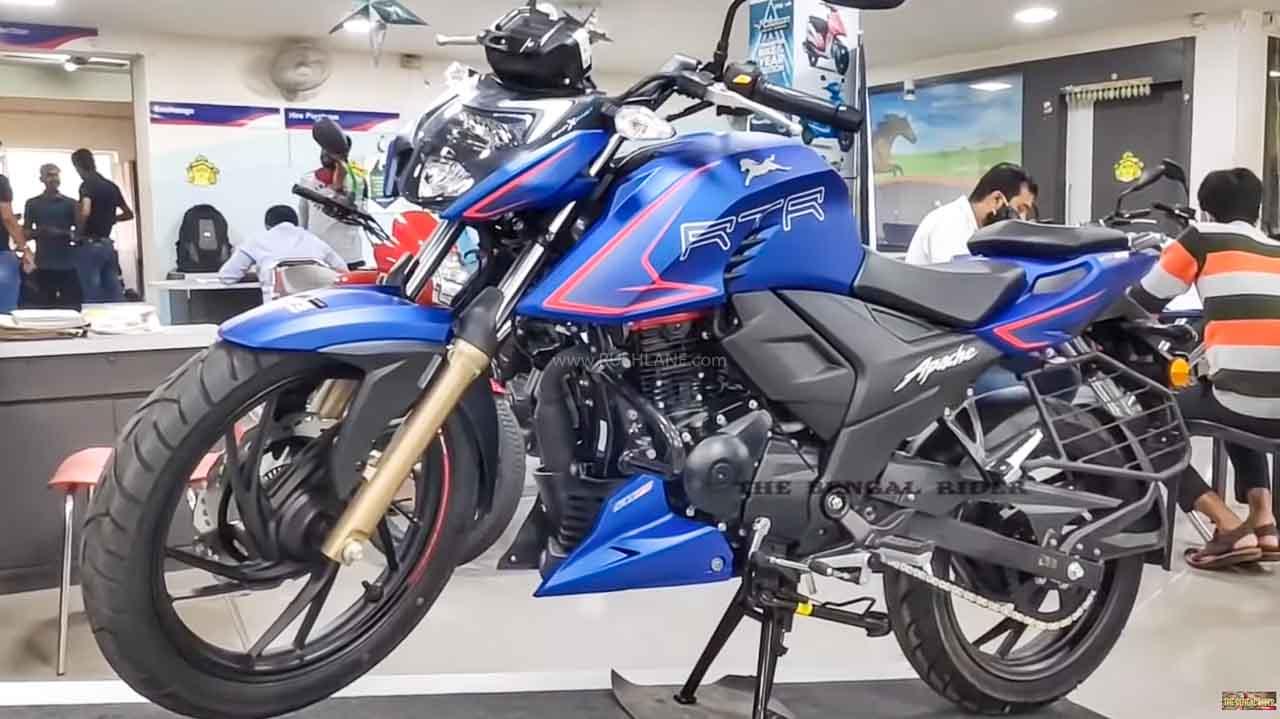
Two Wheeler Sales Feb 2026: Honda Overtakes as Overall Leader While Hero Dominates Domestic Market
Image: Two Wheeler Sales Feb 2026: Honda Overtakes as Overall Leader While Hero Dominates Domestic Market – Performance and Specifications
Advertisement
The Indian two-wheeler industry has hit a massive milestone in February 2026, showcasing a robust double-digit year-on-year growth. As the transition toward Flex-Fuel and Electric Vehicles (EVs) accelerates, the market dynamics have shifted significantly. The month of February 2026 recorded total sales exceeding 1.8 million units across the top six manufacturers. While Hero MotoCorp continues to be the undisputed king of the Indian domestic streets, Honda Motorcycle and Scooter India (HMSI) has strategically emerged as the overall volume leader when combining domestic dispatch and global shipments. For those looking to enter the market, entry-level commuter prices in 2026 now start at approximately ₹68,500 (ex-showroom), with premium electric variants reaching up to ₹2.10 lakh.
1. Hero MotoCorp: Holding the Domestic Fort
Unmatched Rural Penetration
Hero MotoCorp maintained its leadership position in the domestic market, thanks to the perennial success of the Splendor and Passion brands. In February 2026, Hero’s focus on 100cc-125cc reliability continues to pay dividends. Despite the rising cost of ownership, their aggressive financing schemes have ensured that rural demand remains high. However, the brand faces stiff competition in the urban scooter segment from Honda and TVS.
Advertisement
2. Honda: The New Overall Volume King
Global Footprint and Activa Dominance
Honda’s performance in Feb 2026 is nothing short of legendary. By optimizing their supply chain and launching the Activa Gen-8 with hybrid assistance, Honda managed to eclipse the total volume (Domestic + Exports) of its rivals. Honda’s strategy in 2026 revolves around ‘Global Localization,’ where India serves as the primary hub for their international 250cc-500cc offerings.
Performance Comparison: Feb 2026 vs Feb 2025
| Manufacturer | Feb 2026 Total Sales | Feb 2025 Total Sales | Growth % (YoY) | Market Share |
|---|---|---|---|---|
| Honda | 5,45,000 | 4,90,000 | 11.2% | 28% |
| Hero MotoCorp | 5,12,000 | 4,85,000 | 5.5% | 26% |
| TVS Motor | 3,80,000 | 3,40,000 | 11.7% | 19% |
| Bajaj Auto | 3,25,000 | 2,95,000 | 10.1% | 16% |
3. Bajaj Auto: The Export Powerhouse
Pulsar Branding and Global Reach
Bajaj Auto continues to dominate the export charts in February 2026. Nearly 45% of Bajaj’s total production is now shipped to Latin American, African, and Southeast Asian markets. The Pulsar NS and RS series remain the top choice for performance enthusiasts abroad. Domestically, the Freedom CNG bike has carved a niche for itself among high-mileage users looking to dodge rising petrol costs.
4. TVS and Suzuki: The Premium & Youth Play
TVS iQube and Apache Growth
TVS Motor Company reported a stellar 11.7% growth. Their EV portfolio, led by the iQube and the premium TVS X, now accounts for 18% of their total domestic sales. Meanwhile, the Apache series remains the go-to for the youth demographic. Suzuki, on the other hand, has seen a 15% surge in the 125cc scooter segment, with the Access 125 remaining the most reliable ‘family scooter’ in the premium category.
Advertisement
Technical Specifications of Top 2026 Models
| Model | Engine/Battery | Max Power | Mileage/Range | Key Tech 2026 |
|---|---|---|---|---|
| Honda Activa Gen-8 | 109cc PGM-Fi Hybrid | 8.2 PS | 65 kmpl | Smartphone Connectivity |
| Hero Splendor XTEC 2.0 | 97.2cc i3S Flex-Fuel | 8.02 PS | 78 kmpl | Real-time Mileage Indicator |
| TVS iQube ST | 5.1 kWh Battery | 4.4 kW | 150 km/charge | TPMS & Alexa Integration |
| RE Classic 350 (2026) | 349cc J-Series | 20.2 BHP | 35 kmpl | Dual-Channel ABS standard |
Projected Pricing List (Ex-Showroom, Feb 2026)
| Model Category | Starting Price (₹) | Top Variant Price (₹) |
|---|---|---|
| Commuter (100-110cc) | 68,500 | 82,000 |
| Executive (125cc) | 85,000 | 1,05,000 |
| Performance (160-250cc) | 1,25,000 | 2,15,000 |
| Electric Scooters | 1,10,000 | 2,10,000 |
Frequently Asked Questions (FAQ)
1. Which company sold the most two-wheelers in Feb 2026?
Honda emerged as the overall leader (Domestic + Exports), while Hero MotoCorp remained the domestic market leader.
2. What is the growth rate of the two-wheeler industry in 2026?
The industry saw an average YoY growth of approximately 9-12% in February 2026.
3. Is Hero MotoCorp still the number one bike seller?
Yes, in the domestic Indian market, Hero MotoCorp still holds the highest market share, particularly in the commuter segment.
Advertisement
4. How is the EV market performing in Feb 2026?
The EV market has seen a 25% YoY increase, with TVS and Bajaj leading the transition among traditional manufacturers.
5. Why is Bajaj leading in exports?
Bajaj’s strong presence in over 70 countries and its cost-effective performance bikes like the Pulsar series make it the export leader.
6. Are 2W prices increasing in 2026?
Yes, prices have increased by 3-5% due to the implementation of stricter Flex-Fuel (E20+) compatibility norms.
Advertisement
7. Which is the best-selling electric scooter in Feb 2026?
The TVS iQube and Ola S1 Pro (Gen 3) are currently the top contenders for the best-selling EV scooter.
8. How did Royal Enfield perform in Feb 2026?
Royal Enfield maintained a steady 7% growth, dominating the mid-size 350cc-650cc segment with its updated Classic and Himalayan models.
9. What is the average mileage of a 100cc bike in 2026?
With improved fuel injection and hybrid sensors, most 100cc bikes now offer 70-80 kmpl.
Advertisement
10. Is Suzuki growing in the Indian market?
Yes, Suzuki has seen significant growth in the 125cc scooter and 250cc motorcycle segments (V-Strom SX).
Verdict: Should You Buy Now or Wait?
The February 2026 sales data suggests a market at its peak of innovation. If you are looking for a reliable commuter, Hero and Honda offer the best value. For tech-savvy riders, TVS and Bajaj provide the best digital features.
Pros:
– High fuel efficiency due to Flex-Fuel tech.
– Better safety features (ABS now common in 125cc+).
– Highly competitive financing options.
Advertisement
Cons:
– Rising ex-showroom prices.
– Higher maintenance costs for advanced electronics.