The Circular Revolution: RidgeAlloy’s Impact on the 2026 Automotive Landscape
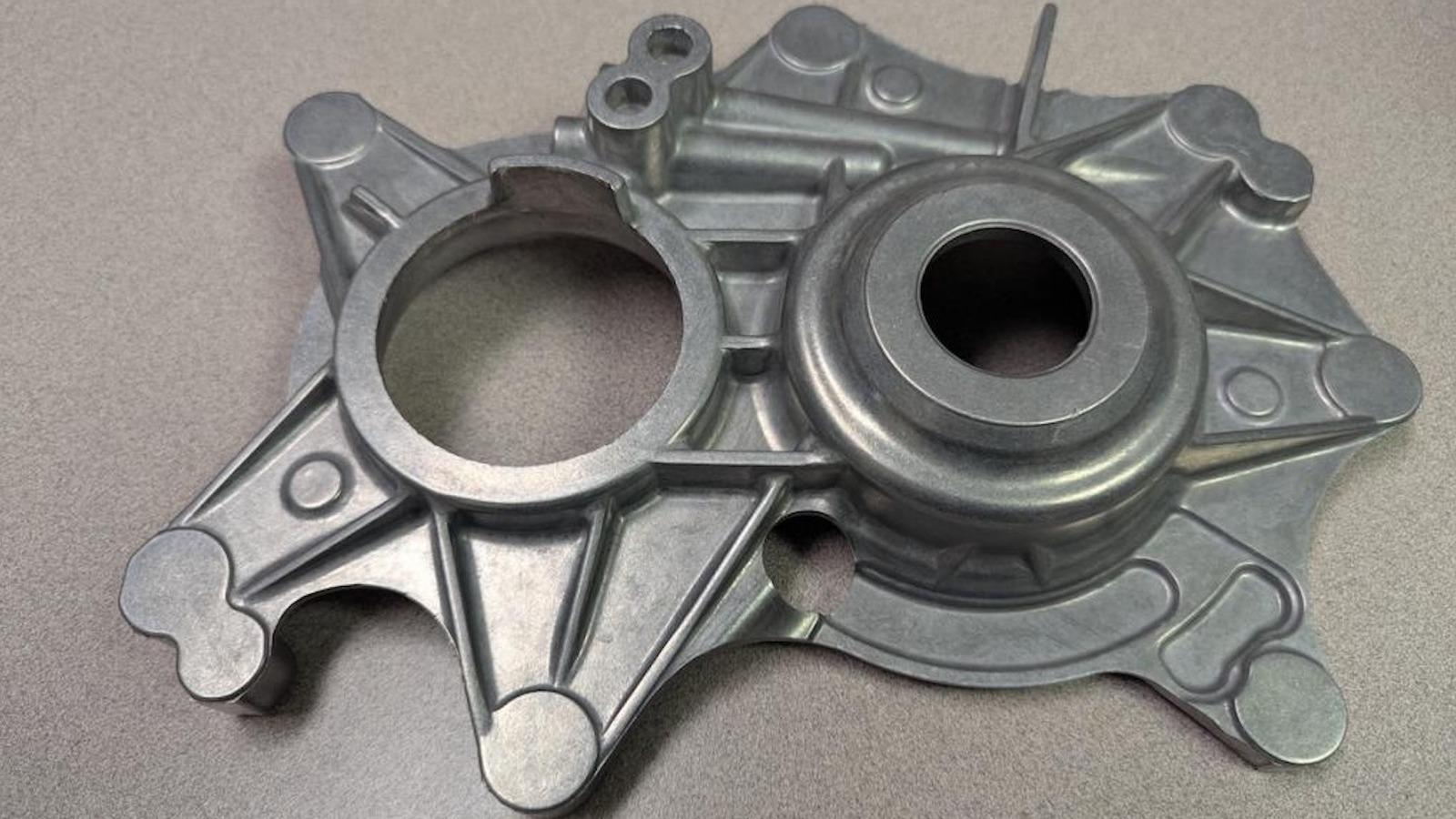
2026 RidgeAlloy Breakthrough: Why This New Recycled Aluminum Is The Future Of Car Manufacturing
Image: 2026 RidgeAlloy Breakthrough: Why This New Recycled Aluminum Is The Future Of Car Manufacturing – Performance and Specifications
- Advertisement -
In the high-stakes race toward carbon neutrality, the automotive industry has hit a significant roadblock: the carbon footprint of primary aluminum. However, as we move into 2026, a revolutionary breakthrough known as RidgeAlloy is set to turn the sourcing process on its head. Developed through the Shear Assisted Processing and Extrusion (ShAPE) technique, this alloy allows manufacturers to use high-impurity recycled aluminum for structural components that previously required virgin metal. While consumers won’t buy a ‘RidgeAlloy’ car directly, the projected manufacturing cost savings of 15-20% per chassis are expected to drive down the prices of next-gen EVs by nearly $2,000 to $3,500 by late 2026.
The Engineering Marvel: How ShAPE Technology Changes Everything
Traditionally, recycled aluminum (secondary aluminum) contains high levels of iron, which creates brittle ‘needles’ in the microstructure, making it unsuitable for safety-critical parts like pillars or crash beams. RidgeAlloy solves this by using extreme shear force to break down these impurities into harmless, spherical shapes. This allows carmakers like Ford and BMW to utilize scrap metal from old soda cans and engine blocks to create high-performance frames.
- Advertisement -
The Meat: Design, Performance, and Structural Integrity
Design Flexibility and Weight Reduction
By 2026, the use of RidgeAlloy is allowing designers to create thinner, more complex geometries without sacrificing strength. Because the alloy is highly ductile, it can be extruded into intricate multi-hollow profiles. This results in a weight reduction of approximately 10% compared to traditional 6061 aluminum alloys, directly extending the range of electric vehicles.
Performance in High-Stress Environments
Initial testing for 2026 production models shows that RidgeAlloy maintains structural integrity even under extreme thermal cycles. This makes it ideal for battery enclosures, where thermal management and impact resistance are paramount. Early reports from tier-1 suppliers suggest that the alloy outperforms standard 5xxx series alloys in energy absorption during high-speed collisions.
Safety and NCAP Implications
While RidgeAlloy is a recycled material, its safety credentials are top-tier. Simulations for 2026 Euro NCAP and IIHS standards indicate that vehicles using RidgeAlloy in their crumple zones achieve superior ‘crush consistency.’ The ability of the material to fold without cracking ensures that kinetic energy is dissipated away from the cabin, maintaining 5-star safety potential.
- Advertisement -
The Comparison: RidgeAlloy vs. Current Standards
To understand the leap RidgeAlloy represents, we must compare it to the current industry benchmarks for 2026.
| Feature | RidgeAlloy (2026) | Primary 6061-T6 Aluminum | Standard Recycled Al |
|---|---|---|---|
| Carbon Footprint (CO2/kg) | ~0.5 – 1.0 kg | ~12.0 – 16.0 kg | ~2.5 kg |
| Tensile Strength | High (310+ MPa) | High (310 MPa) | Low (Brittle) |
| Impurity Tolerance (Iron) | Up to 1.5% | < 0.5% | N/A (Structural Failure) |
| Cost Efficiency | Excellent (Uses Scrap) | Expensive (Virgin Ore) | Moderate |
| Primary Use Case | Chassis & Battery Trays | Engine Components | Non-Structural Trim |
Technical Specifications and Production Data
| Specification | RidgeAlloy (Projected 2026) |
|---|---|
| Base Element | Aluminum (Secondary/Recycled) |
| Processing Method | ShAPE (Shear Assisted Processing) |
| Ductility (Elongation) | > 15% |
| Recycled Content | 90% – 100% |
| Energy Savings in Production | 90% vs Primary Aluminum |
| Corrosion Resistance | Grade A (Equivalent to 6000 Series) |
Variant-Wise Industrial Pricing (Projected 2026 Ex-Factory)
| Component Type | Estimated Cost (USD/Unit) | Estimated Cost (INR Equivalent) |
|---|---|---|
| Structural Pillar (B-Pillar) | $45 – $60 | ₹3,700 – ₹5,000 |
| Battery Housing Frame | $250 – $400 | ₹20,000 – ₹33,000 |
| Front Crumple Zone Assembly | $120 – $180 | ₹10,000 – ₹15,000 |
People Also Ask (FAQ)
- What is RidgeAlloy? It is a high-performance aluminum alloy made from recycled scrap using the ShAPE process.
- Who developed RidgeAlloy? It was developed by researchers at the Pacific Northwest National Laboratory (PNNL).
- Is recycled aluminum safe for cars? Traditionally no, but RidgeAlloy’s unique microstructure makes it safe for structural parts.
- Which cars will use RidgeAlloy in 2026? Major EV manufacturers are currently in pilot phases, with announcements expected from Ford and GM.
- How does RidgeAlloy help the environment? It reduces energy consumption by 90% compared to making new aluminum from ore.
- Does RidgeAlloy rust? No, like most high-grade aluminum alloys, it has excellent natural corrosion resistance.
- Will RidgeAlloy make cars cheaper? Yes, by reducing material costs for manufacturers, it is expected to lower EV retail prices.
- Can RidgeAlloy be recycled again? Yes, it is part of a ‘closed-loop’ system, meaning it can be recycled indefinitely.
- What is the ShAPE process? It stands for Shear Assisted Processing and Extrusion, a method that uses friction and pressure to transform metal.
- Is RidgeAlloy stronger than steel? While lighter, it offers a higher strength-to-weight ratio than many automotive steel grades.
Verdict: Should Manufacturers Adopt It?
The transition to RidgeAlloy is no longer a question of ‘if’ but ‘when.’ As we approach the 2026 model year, the pressure to reduce Scope 3 emissions is forcing an industry-wide pivot. RidgeAlloy represents the holy grail of automotive metallurgy: a material that is cheaper, greener, and performs as well as the premium alternative.
Pros:
- Advertisement -
- Massive reduction in carbon footprint (90%).
- Significant cost savings for OEMs and consumers.
- High ductility allows for complex, lightweight designs.
- Utilizes existing scrap metal streams.
Cons:
- Requires specialized ShAPE machinery for production.
- Supply chain for high-purity scrap sorting needs to scale by 2026.
- Initial limited availability for mass-market budget cars.