The 2026 EV Cliff: A Harsh Reality Check for the Electric Dream
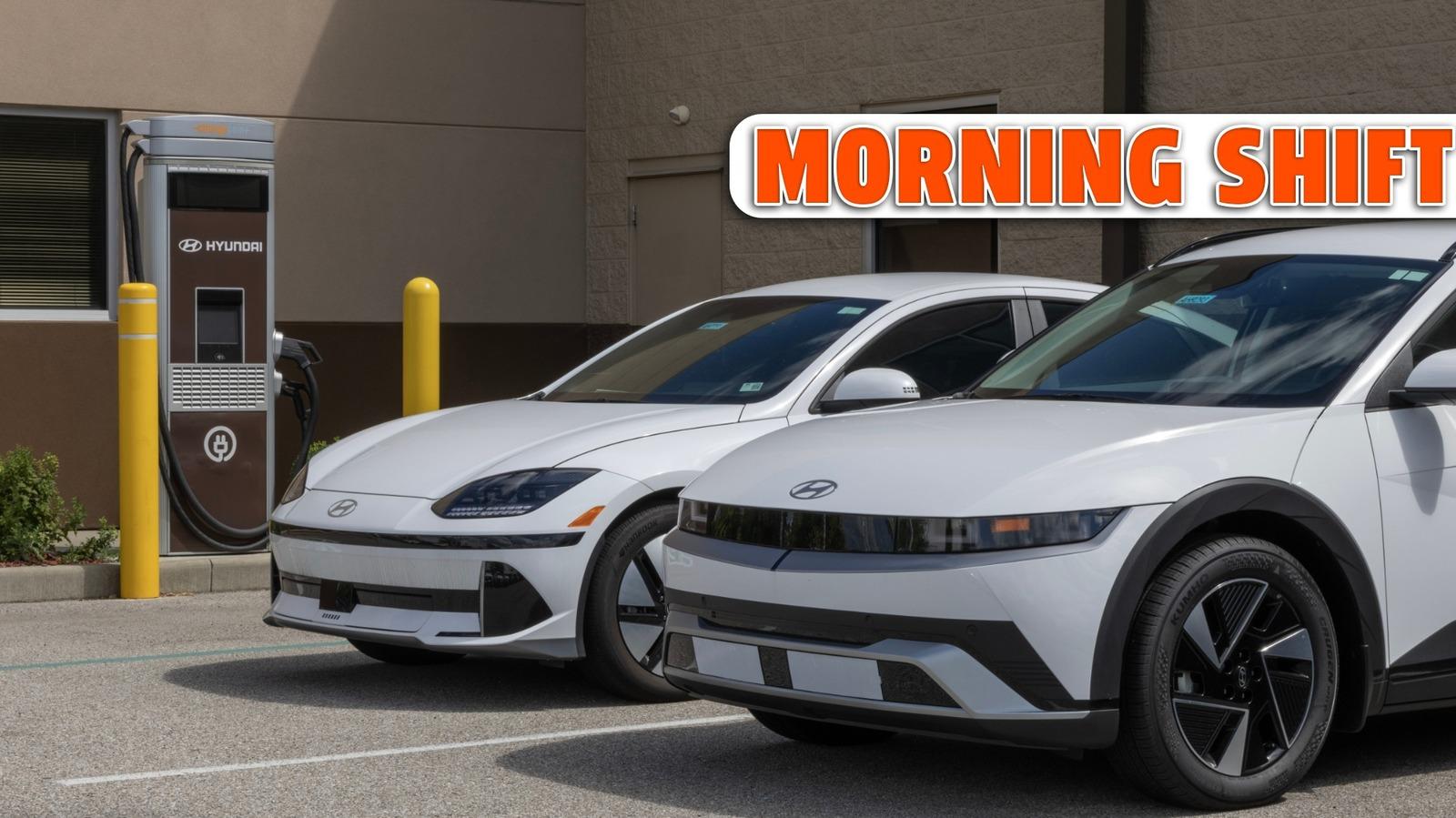
2026 EV Market Crisis: Tesla Model 3 Registrations Plummet 41% Amid Trump Policy Shifts
Image: 2026 EV Market Crisis: Tesla Model 3 Registrations Plummet 41% Amid Trump Policy Shifts – Performance and Specifications
- Advertisement -
The dawn of 2026 has brought a chilling frost to the electric vehicle sector. Following the full implementation of the ‘Energy Independence First’ policies under the Trump administration, January’s EV registrations have witnessed a staggering 41% decline. The market, once bolstered by aggressive federal tax credits, is now navigating a landscape where the Tesla Model 3 starts at an effective price of $42,490, stripped of the previous $7,500 consumer incentives. This ‘registration cliff’ isn’t just a number; it reflects a massive shift in consumer sentiment as geopolitical tensions in the Middle East drive a renewed, albeit volatile, focus on domestic oil and hybrid alternatives.
Design: Sleek Efficiency Meets Cost-Cutting Reality
The 2026 Tesla Model 3 ‘Highland’ evolution continues to dominate the visual landscape of the EV market. However, the 2026 iterations show signs of ‘de-contenting’ to keep prices competitive in a subsidy-free world. While the exterior remains a masterclass in aerodynamics with a drag coefficient of 0.219, several premium paint options and trim accents have been streamlined. Enthusiasts on forums like Reddit and TMC are noting that while the car looks as futuristic as ever, the ‘Full Weight’ of policy changes has forced Tesla to move away from some luxury materials in the base trims to maintain their margins.
- Advertisement -
Performance: Power in the Face of Grid Uncertainty
Under the hood—or rather, the floorboards—the 2026 Tesla Model 3 continues to offer impressive metrics. The Long Range AWD variant still clocks a 0-60 mph time of 4.2 seconds. However, the narrative has shifted from ‘zero emissions’ to ‘energy resilience.’ With the looming threat of energy instability linked to the ongoing conflict with Iran, the Model 3’s V4 Supercharging capabilities are being marketed as a strategic advantage for rapid mobility. Users are praising the thermal management of the new battery packs, which show significantly less degradation in extreme January temperatures compared to 2024 models.
Interior Tech and Safety: Still the Gold Standard?
Inside, the 2026 Model 3 remains a minimalist’s sanctuary. The 15.4-inch center touchscreen handles everything from gear selection to the sophisticated ‘Sentinel Mode’ security suite. Despite the registration drop, Tesla’s safety ratings remain a high point. The 2026 model has maintained a 5-Star NCAP rating, with improved side-impact protection and updated ‘Autopilot’ algorithms designed to handle increasingly chaotic urban environments. The removal of ultrasonic sensors in favor of ‘Tesla Vision’ continues to be a point of contention among veteran owners, though the high-resolution cameras provide a 360-degree field of view that is hard to beat.
2026 EV Comparison: Tesla Model 3 vs. The Competition
| Feature | 2026 Tesla Model 3 | 2026 Hyundai Ioniq 6 | 2026 BMW i4 eDrive35 |
|---|---|---|---|
| Base MSRP | $42,490 | $44,500 | $53,200 |
| Max Range (EPA) | 341 Miles | 361 Miles | 276 Miles |
| 0-60 mph | 5.8s (RWD) | 6.0s (RWD) | 5.8s |
| Charging Speed | 250kW DC | 350kW DC | 180kW DC |
| Subsidies | None (Expired) | None (Expired) | None (Expired) |
Technical Specifications: 2026 Tesla Model 3
| Specification | RWD (Standard) | Long Range AWD | Performance |
|---|---|---|---|
| Battery Capacity | 60 kWh LFP | 82 kWh NMC | 82 kWh NMC |
| Drivetrain | Rear-Wheel Drive | All-Wheel Drive | All-Wheel Drive |
| Horsepower | 271 hp | 425 hp | 510 hp |
| Top Speed | 125 mph | 125 mph | 163 mph |
| Wheel Size | 18″ Photon | 18″ Photon | 20″ Warp |
Variant-Wise Pricing (Ex-Showroom Est.)
| Variant | Estimated Price (USD) | Availability |
|---|---|---|
| Model 3 Standard Range | $42,490 | Immediate |
| Model 3 Long Range AWD | $49,990 | 4-6 Weeks |
| Model 3 Performance | $56,990 | 8-10 Weeks |
People Also Ask (FAQ)
1. Why did EV registrations fall 41% in January 2026?
The primary cause was the expiration of federal tax credits and the implementation of new trade tariffs under the Trump administration’s revised energy policy.
- Advertisement -
2. Is the Tesla Model 3 still worth buying in 2026?
Yes, for those prioritizing tech and charging infrastructure, though the value proposition has changed without government incentives.
3. How does the Iran conflict affect EV owners?
Rising energy costs and grid instability have made efficient charging more critical, though EVs remain less dependent on gasoline price spikes.
4. What is the actual range of the 2026 Model 3?
The Standard Range offers 272 miles, while the Long Range provides up to 341 miles per charge.
- Advertisement -
5. Did Trump remove the $7,500 EV tax credit?
Yes, the 2025-2026 policy overhaul redirected these funds toward domestic fossil fuel production and hybrid infrastructure.
6. Are there any state-level incentives left?
A few states like California and New York offer diminished rebates, but most have followed the federal lead in reducing subsidies.
7. How long does it take to charge a 2026 Model 3?
At a V4 Supercharger, you can gain 175 miles of range in approximately 15 minutes.
- Advertisement -
8. What are the main complaints about the 2026 Model 3?
Users often cite the lack of physical buttons, the ‘Tesla Vision’ parking system, and the increased out-of-pocket cost.
9. Is the Hyundai Ioniq 6 a better deal?
The Ioniq 6 offers faster charging (350kW) but lacks the seamless integration of the Tesla Supercharger network.
10. Will EV prices go down in 2027?
Analysts predict price drops as battery manufacturing costs continue to scale, potentially offsetting the loss of tax credits.
- Advertisement -
Verdict: Should You Buy the 2026 Tesla Model 3?
Buying an EV in 2026 is no longer a subsidized ‘no-brainer’—it is a calculated lifestyle choice. The 41% registration drop signals a market correction, moving from early adopters to pragmatists.
Pros:
– Industry-leading software and UI.
– Unmatched Supercharger reliability.
– High resale value compared to other EVs.
Cons:
– Significant price hike due to lost tax credits.
– Sparse interior might feel ‘cheap’ for a $42k+ car.
– Insurance premiums for EVs remain high.
- Advertisement -
Final Thoughts: If you have home charging and value cutting-edge tech, the Model 3 remains the benchmark. However, if you were relying on federal help to make the math work, 2026 might be the year you look at a Hybrid instead.