The Secret Sauce of Car Design: Understanding the Dash-To-Axle Ratio
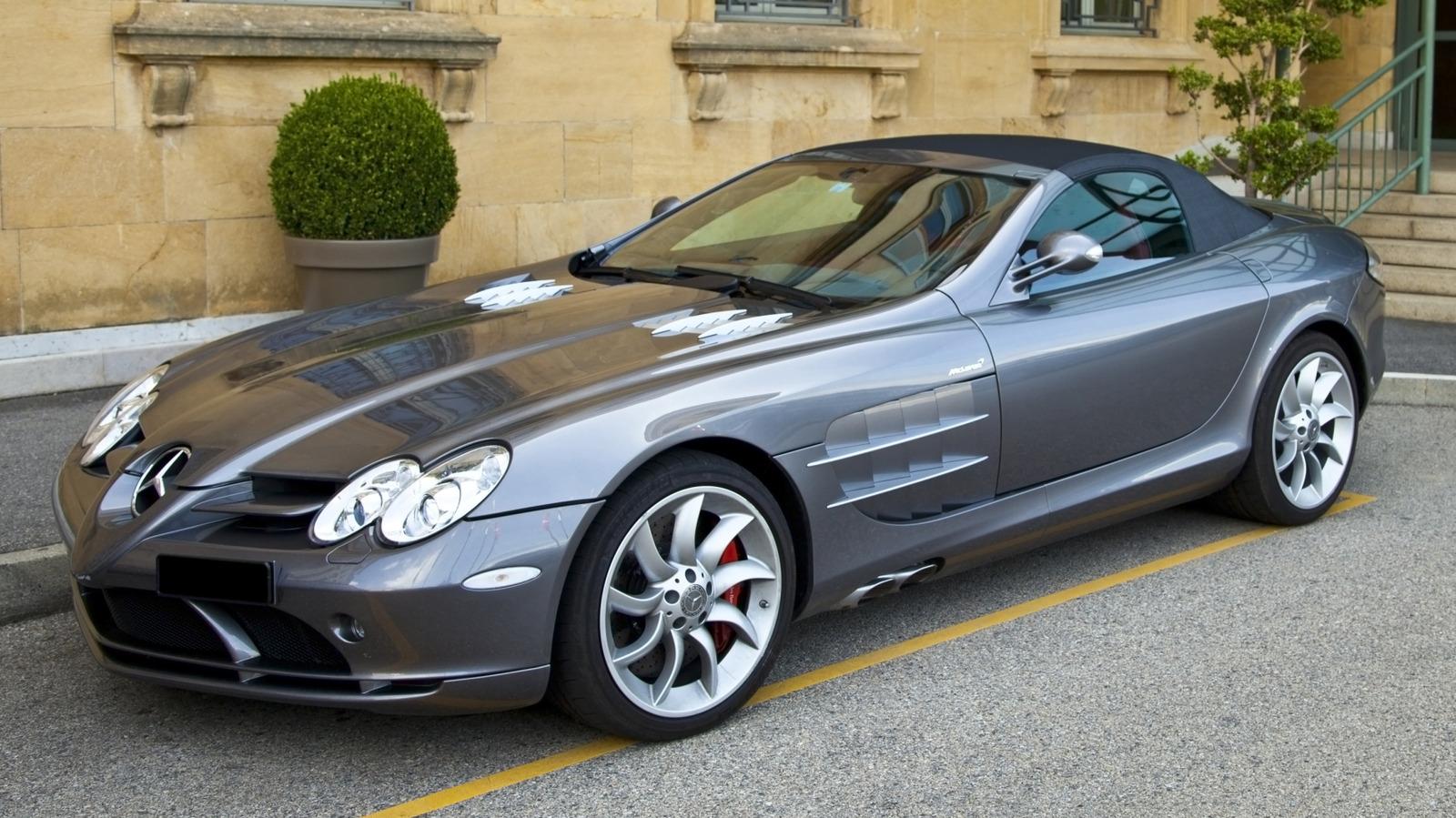
Mastering the Dash-To-Axle Ratio: Why the 2026 BMW 3 Series (Neue Klasse) Redefines Automotive Styling
Image: Mastering the Dash-To-Axle Ratio: Why the 2026 BMW 3 Series (Neue Klasse) Redefines Automotive Styling – Performance and Specifications
Advertisement
In the world of automotive aesthetics, there is a measurement that separates a mundane commuter car from a breathtaking masterpiece. This is the Dash-to-Axle ratio. While most buyers focus on horsepower or fuel economy, enthusiasts and designers look at the distance between the front wheel’s center and the base of the windshield (the A-pillar). As we look toward the 2026 BMW 3 Series (Neue Klasse), priced at an estimated ₹68.50 Lakh – ₹82 Lakh, this ratio is becoming more critical than ever.
Why Proportions Can Make or Break a Car’s Look
A long dash-to-axle ratio is historically associated with luxury and power. It suggests a large longitudinal engine tucked behind the front axle, a hallmark of Rear-Wheel Drive (RWD) prestige. Conversely, a short ratio often indicates a Front-Wheel Drive (FWD) layout, which can make a car look ‘nose-heavy’ or snub-nosed. In 2026, as brands transition to Electric Vehicles (EVs), maintaining this ‘prestige gap’ while maximizing interior space is the ultimate engineering challenge.
Advertisement
The Engineering Trade-off: Aesthetics vs. Utility
Designers love a long hood, but engineers need to package batteries and motors. For the 2026 models, we are seeing a ‘cab-forward’ design trend. However, premium brands like BMW and Mercedes are fighting to keep the classic proportions. A longer dash-to-axle allows for better weight distribution and suspension geometry, leading to the ‘Ultimate Driving Machine’ feel that users often praise in forums, though some complain it reduces legroom compared to more ‘boxy’ competitors.
2026 BMW 3 Series: Design, Performance, and Safety
The 2026 BMW 3 Series (Neue Klasse) is the poster child for the modern dash-to-axle balance. By utilizing a dedicated EV platform, BMW has pushed the wheels to the corners while maintaining a silhouette that honors its RWD heritage. Under the hood—or rather, under the floor—lies the sixth-generation eDrive technology, promising a 30% increase in range and 25% better efficiency.
Interior Tech and The Digital Dash
Inside, the 2026 model replaces traditional screens with ‘BMW Panoramic Vision,’ projecting information across the entire width of the windshield. This tech-heavy approach is a hit in early previews, though some traditionalists miss physical buttons. Safety remains a priority, with the 3 Series aiming for a 5-star Euro NCAP and Bharat NCAP rating, featuring Level 3 autonomous driving capabilities for highway cruising.
Advertisement
Comparative Analysis: The Battle of Proportions
| Feature | 2026 BMW 3 Series (EV) | 2026 Mercedes-Benz C-Class | 2026 Audi A4 e-tron |
|---|---|---|---|
| Dash-to-Axle Feel | Long/Prestige | Balanced/Classic | Short/Modern |
| Platform | Neue Klasse | MB.EA | PPE Platform |
| Estimated Range | 600 km | 580 km | 610 km |
| 0-100 km/h | 4.2 Seconds | 4.5 Seconds | 4.0 Seconds |
Technical Specifications and Pricing
| Specification | Details (2026 Model) |
|---|---|
| Powertrain | Dual Motor AWD / Single Motor RWD |
| Battery Capacity | 80 kWh – 100 kWh |
| Max Power | Up to 500 hp (M-Variant) |
| Charging Speed | 270 kW DC Fast Charging |
| Ground Clearance | 145 mm |
| Variant | Estimated Ex-Showroom Price (INR) |
|---|---|
| 320e (Base) | ₹68,50,000 |
| 330e (Sport) | ₹75,00,000 |
| M340e (Performance) | ₹82,00,000 |
People Also Ask (FAQs)
- What is dash-to-axle ratio? It is the horizontal distance between the front wheel center and the base of the windshield.
- Why is a long dash-to-axle ratio better? It creates a more ‘premium’ look associated with high-performance rear-wheel-drive cars.
- Does dash-to-axle affect handling? Yes, it allows for better engine placement and suspension travel, improving balance.
- How much will the 2026 BMW 3 Series cost? Prices are expected to start around ₹68.50 Lakh in India.
- What is the range of the 2026 BMW 3 Series EV? It is expected to offer up to 600 km on a single charge.
- Is the 2026 BMW 3 Series better than the Audi A4? The BMW offers a more traditional ‘sporty’ silhouette, while the Audi focuses on futuristic interior space.
- Does dash-to-axle ratio matter in EVs? It matters for styling, though EVs don’t strictly require it for mechanical reasons.
- What is the Neue Klasse? It is BMW’s next-generation dedicated electric platform launching in 2026.
- Will the 2026 3 Series have a sunroof? Yes, a full panoramic glass roof is standard on higher trims.
- What are the main cons of the 2026 BMW 3 Series? High price point and slightly tighter rear cabin due to the focus on sporty proportions.
Verdict: Should You Buy It?
The 2026 BMW 3 Series is a masterclass in how to evolve a legend. By maintaining a perfect dash-to-axle ratio despite the lack of a combustion engine, BMW has ensured the car remains a styling icon.
Pros
- Exquisite ‘Long-Hood’ proportions.
- Class-leading 800V charging architecture.
- Revolutionary Panoramic Vision interface.
Cons
- Significant price jump over 2024 models.
- Minimalist interior may alienate physical-dial fans.
- Ground clearance remains low for Indian roads.