The Backbone of India’s Economy: CV Retail Sales Report February 2026
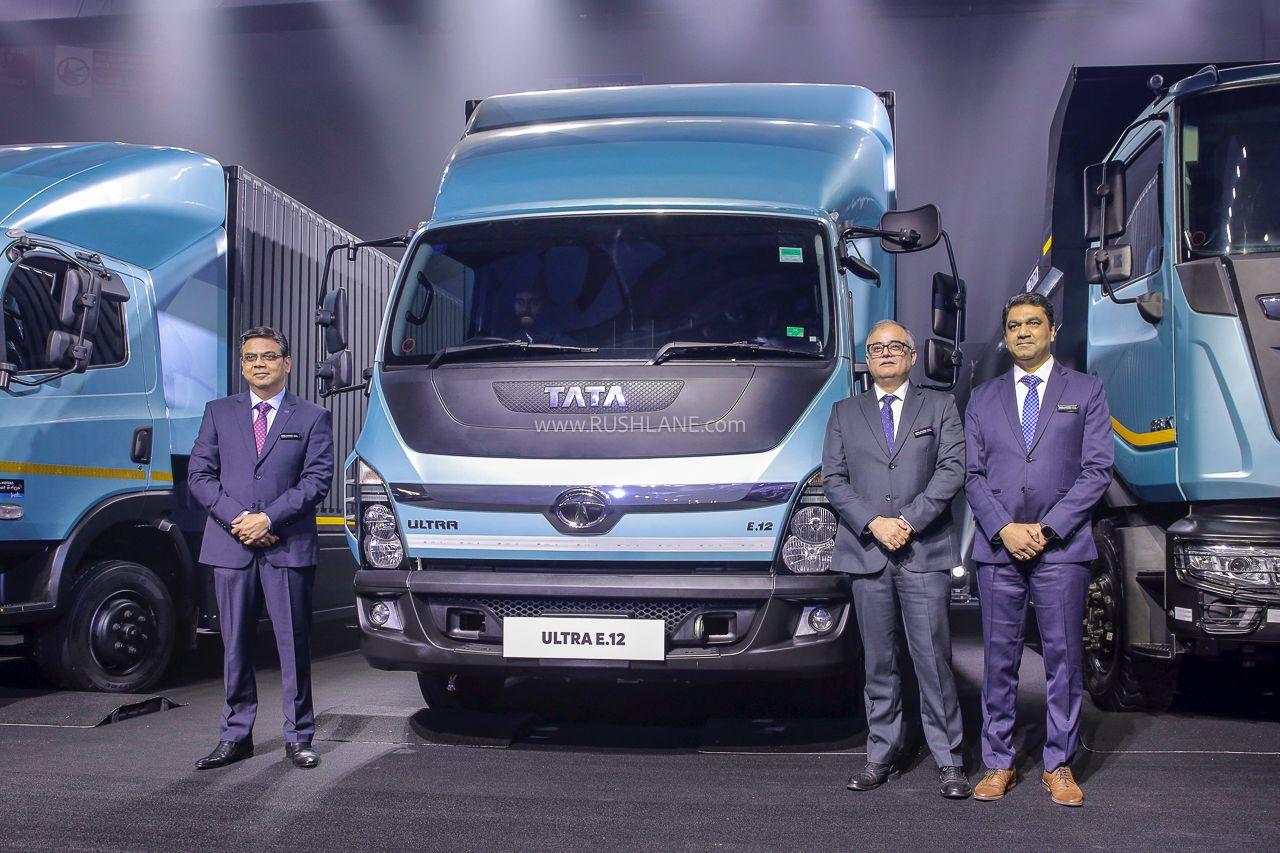
CV Retail Sales Feb 2026: Tata, Mahindra, Leyland Lead Massive 25.62% Growth Surge
Image: CV Retail Sales Feb 2026: Tata, Mahindra, Leyland Lead Massive 25.62% Growth Surge – Performance and Specifications
- Advertisement -
The Indian commercial vehicle (CV) industry has reached a historic milestone in February 2026, recording a staggering 25.62% year-on-year growth across all segments. With the rapid expansion of infrastructure and the strict enforcement of the 2026 National Scrappage Policy, fleet operators are modernizing at an unprecedented rate. Total retail sales for the month crossed the 1,12,000-unit mark, signaling a robust economic recovery and a shift toward high-efficiency logistics.
Entry-level Small Commercial Vehicles (SCVs) now start at an average of ₹6.50 Lakh, while heavy-duty haulage trucks for the 2026 model year range between ₹35 Lakh and ₹65 Lakh, depending on the payload capacity and fuel type (Diesel, LNG, or Electric).
- Advertisement -
Market Leaders: Who Won the February 2026 Sales War?
Tata Motors: Defending the Throne
Tata Motors continues to dominate the CV landscape with its ‘Prima’ and ‘Signa’ series. In February 2026, Tata registered a 22% growth in the M&HCV (Medium and Heavy Commercial Vehicle) segment. The introduction of the 2026 Tata Ultra EV has revolutionized urban distribution, making Tata the first choice for e-commerce giants. Their focus on Telematics 3.0 has reduced fleet downtime by 15% this year.
Mahindra & Mahindra: Dominating Last-Mile Connectivity
Mahindra has captured the LCV (Light Commercial Vehicle) and SCV segments with the Jeeto and Supro platforms. Their February 2026 sales figures show a 28% jump, largely driven by the ‘Mahindra Veero’ series. Mahindra’s aggressive pricing and the 2026 expansion of their ‘iMAXX’ connected solution have allowed them to bridge the gap with Tata Motors in the sub-3.5-ton category.
Ashok Leyland: The M&HCV Powerhouse
Ashok Leyland remains the preferred brand for heavy-duty tippers and tractors. Their AVTR platform, now upgraded with BS7-ready engines in 2026, saw a massive spike in demand from the mining and construction sectors. Leyland recorded a 24% YoY growth, with their ‘Bada Dost’ LCV also gaining significant traction in rural markets.
- Advertisement -
Comparative Analysis: Top 3 CV Manufacturers (Feb 2026)
| Manufacturer | Units Sold (Feb 2026) | YoY Growth (%) | Market Share |
|---|---|---|---|
| Tata Motors | 42,150 | 22.4% | 37.5% |
| Mahindra & Mahindra | 28,900 | 28.1% | 25.7% |
| Ashok Leyland | 19,450 | 24.6% | 17.3% |
2026 CV Technical Evolution: Performance and Safety
In 2026, the CV industry is no longer just about payload; it’s about ‘Intelligent Haulage.’ Most new trucks now come equipped with ADAS (Advanced Driver Assistance Systems) as a response to the new highway safety mandates. Furthermore, the 2026 models feature revamped cabin ergonomics to combat driver fatigue, a major concern in the Indian trucking community.
The Rise of VECV and Daimler (BharatBenz)
VECV (Volvo Eicher Commercial Vehicles) has seen a 19% rise in sales, specifically in the bus segment and refrigerated trucks. Meanwhile, Daimler’s BharatBenz continues to lead the premium heavy-duty segment, with their 2026 5532T tractor-trailer becoming a bestseller for long-distance logistics due to its 40,000-km service interval.
Technical Specifications: 2026 Best-Sellers Comparison
| Feature | Tata Prima 5530.S (2026) | Ashok Leyland 5525 (2026) | BharatBenz 5532T (2026) |
|---|---|---|---|
| Engine | 6.7L Cummins ISBe | A-Series BS6.2/7 | OM926 Performance Plus |
| Max Power | 300 HP | 250 HP | 320 HP |
| Max Torque | 1100 Nm | 900 Nm | 1250 Nm |
| Safety Tech | ADAS Level 1, EBS | Advanced i-EGR | Active Brake Assist 5 |
| Fuel Type | Diesel/LNG Dual Fuel | Diesel/H2-ICE Ready | Ultra-Low Sulfur Diesel |
2026 CV Pricing Structure (Ex-Showroom Estimates)
| Vehicle Category | Starting Price (2026) | Top-End Price (2026) |
|---|---|---|
| Small Commercial (SCV) | ₹5,80,000 | ₹9,20,000 |
| Light Commercial (LCV) | ₹12,50,000 | ₹22,00,000 |
| Medium Duty (MCV) | ₹24,00,000 | ₹34,50,000 |
| Heavy Duty (M&HCV) | ₹38,00,000 | ₹72,00,000 |
People Also Ask (FAQ)
- Why did CV sales increase by 25% in Feb 2026? Sales surged due to massive infrastructure spending, the Scrappage Policy incentives, and a low base effect from the previous year’s regulatory shifts.
- Which is the best mileage truck in 2026? The Tata Ultra EV and the Mahindra Veero Diesel currently lead their respective segments in fuel/energy efficiency.
- Is BharatBenz better than Tata for long-distance hauling? While Tata offers a better service network, BharatBenz is often preferred for its superior build quality and longer service intervals.
- What is the impact of the 2026 Scrappage Policy? It provides GST rebates and registration fee waivers for those replacing 15-year-old commercial vehicles with new 2026 models.
- Are electric trucks viable for interstate transport in 2026? Partially. While LCV EVs are common, heavy-duty electric trucks are mostly used for closed-loop operations (mines/ports) due to charging infrastructure limits.
- What are the prices of Ashok Leyland trucks in 2026? They range from ₹7 Lakh for LCVs to over ₹60 Lakh for multi-axle heavy tippers.
- Does Maruti Suzuki sell heavy trucks? No, Maruti Suzuki focuses on the SCV segment with the Super Carry, which saw a 12% growth in Feb 2026.
- Which CV brand has the highest resale value? Tata Motors and Mahindra consistently hold the highest resale value due to parts availability.
- What is the GST rate on commercial vehicles in 2026? It remains at 28%, though incentives for EVs and Green Hydrogen vehicles reduce the effective tax burden.
- How did VECV perform in Feb 2026? VECV saw a healthy 19.2% growth, dominated by their school bus and CNG truck range.
Verdict: Should You Invest in New Fleet in 2026?
The February 2026 sales data proves that the CV industry is in a high-growth phase. With the 2026 models offering 15-20% better fuel efficiency through hybrid and LNG technologies, the Total Cost of Ownership (TCO) has significantly improved.
- Advertisement -
Pros:
- Advanced Telematics and ADAS for higher safety and efficiency.
- High resale value for Tata and Mahindra models.
- Generous government incentives under the Scrappage Policy.
Cons:
- Initial acquisition cost has risen by 8-12% due to BS7-ready tech.
- Higher interest rates on commercial loans compared to 2024 levels.
Final Recommendation: If you are operating a fleet older than 10 years, the 2026 models from Tata Motors or Ashok Leyland offer enough fuel savings to justify the upgrade immediately.
- Advertisement -